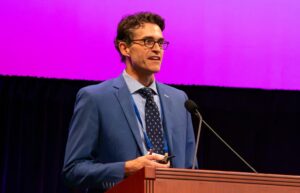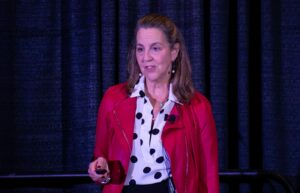
The field of geriatrics has something to teach rheumatologists working with older adults, according to three experts from the growing field of geriatric rheumatology.
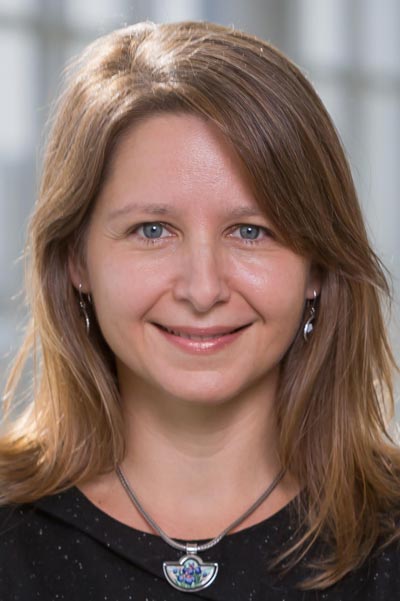
The interactive session Rheumatology for Every Age: Delivering the Care that Matters Most to Our Aging Patients with Rheumatic Diseases will explain that what matters most to the patient doesn’t always align with what a clinician’s goals are, and that the Geriatric 5Ms Framework can help rheumatologists better serve not only the aging population, but all people living with rheumatic diseases.
“Sessions like this are intended to highlight the importance of increasing awareness related to aging-related comorbidities and ultimately to improve our approach and outcomes for older adults with rheumatic diseases,” said Una Makris, MD, MSc, Chief of the Rheumatology section at the VA San Diego Healthcare System and Clinical Professor of Medicine in the Division of Rheumatology, Autoimmunity & Immunology at the University of California, San Diego, with an affiliated appointment in the Division of Geriatrics, Gerontology & Palliative Care.
The session will take place Sunday, November 8, from 8–9:30 a.m., in Room W415D of the Orange County Convention Center. A recording of the session will be available to registered participants of ACR Convergence 2026 for on-demand viewing.
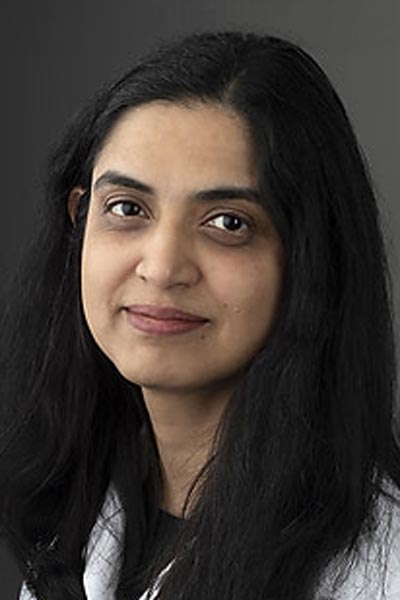
Attendees will learn to use the 5Ms—mind, mobility, medications, multicomplexity, and what matters most—to broaden their treatment strategies beyond the disease to providing whole-person care, said Devyani Misra, MBBS, MS, Rheumatologist/Geriatrician at Beth Israel Deaconess Medical Center and Assistant Professor of Medicine at Harvard Medical School.
“If a patient has rheumatoid arthritis (RA), we know how to diagnose and treat it,” Dr. Misra said. “However, when we are dealing with older adults, it’s complicated. While selecting a treatment, we have to consider other factors, such as cognitive status, physical function and frailty status, living situation, social support, etc. In this session, we will discuss how to select a treatment that addresses disease activity while overcoming these complexities and ensuring patient priorities are met to ultimately achieve patient satisfaction.”
Dr. Makris will focus on the mind, including how clinicians can support the mental health of older adults with rheumatic conditions by asking about feelings of social isolation, sleep issues, and depression. She recommends asking about the patient’s social circle, including friends, family, neighbors, caregivers, and spiritual leaders, to see how well they are supported.
“In the last decade, we have learned about the devastating effects of social isolation, especially among medically and psychologically complex older adults,” Dr. Makris said. “Isolation can lead to worsening mental and physical health, influencing self-efficacy, all impacting outcomes.”
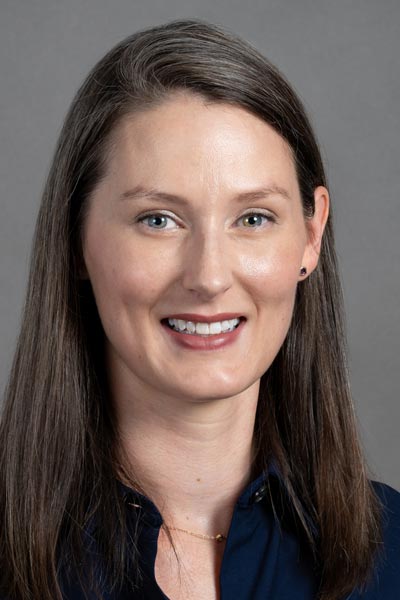
Asking what matters most to the patient is a good place to start when working with older adults with rheumatic diseases, said Katherine Wysham, MD, Assistant Professor in the Division of Rheumatology at VA Puget Sound/University of Washington.
“That can bring forth conversations on what the patient values and inform how they decide between treatments,” Dr. Wysham said.
The clinician can then adjust treatment to help them meet those goals. Dr. Wysham said that one example would be that for a patient recently hospitalized with an infection who wants to avoid another hospital stay, the clinician can offer another medication on the immunosuppressive spectrum. For concerns about mobility, the clinician can discuss exercise, dedicated physical therapy, or the use of adaptive devices.
“Focusing care on what matters most is very patient-centered,” said Dr. Wysham. “It considers the whole person and can provide a framework for caring for our complex patients who might be medically frail despite not being advanced in their chronologic age.”

WATCH SESSIONS ON DEMAND
Select sessions presented at ACR Convergence 2026 are available for on-demand viewing by registered participants through September 30, 2027. For a full list of the scientific sessions recordings that are available, click on the On Demand icon in the meeting app.