An estimated 2% to 8% of the general population has fibromyalgia, and in rheumatology, an average of 20% to 30% of patients live with the condition. In many cases, fibromyalgia symptoms may be associated with other inflammatory diseases, making it important for rheumatologists to accurately recognize the condition.
Additionally, because fibromyalgia can coexist with other chronic conditions, such as rheumatoid arthritis (RA) or osteoarthritis (OA), patients often experience misdiagnosis or delayed diagnosis. As a result, they endure prolonged chronic pain, ineffective medications, and significant financial burdens.
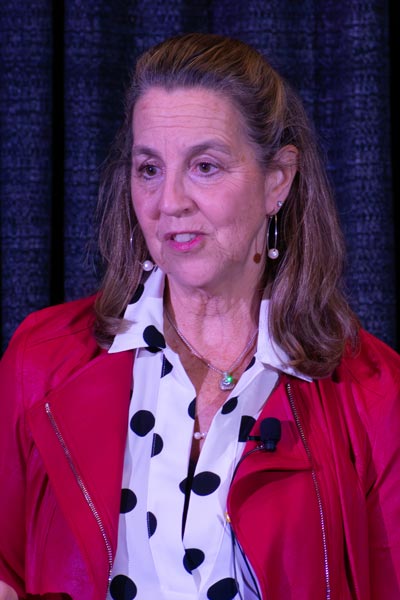
During the ARP Distinguished Lecture at ACR Convergence 2026, rheumatology nurse practitioner Christine Stamatos, DNP, ANP-C, outlined a fibromyalgia “toolbox” designed to help attendees implement evidence-based treatment approaches. A recording of the lecture will be available to registered participants of ACR Convergence 2026 for on-demand viewing.
“It’s a step-by-step process. You must assess comprehensively, and I can’t emphasize that enough because, especially in rheumatology, we see so many different things,” said Dr. Stamatos, Director of the Fibromyalgia Wellness Center, a Division of Rheumatology at Northwell Health. “Then, the next most important thing—if you look at all the guidelines—is that we have to educate patients and help them understand what they have control over and what they need to change.”
The comprehensive assessment is the foundation for treating patients with fibromyalgia. Dr. Stamatos emphasized the importance of making this initial evaluation thorough, not simply asking whether a patient experiences pain.
“It’s asking for all kinds of information. You want to know about their social determinants of health, their support, family history, work history, and treatments they’ve tried,” she noted.
Education and Lifestyle
The next step involves educating patients about nociplastic pain and teaching them how to distinguish it from other symptoms, such as inflammatory arthritis. Dr. Stamatos also underscored the importance of setting realistic expectations regarding treatment goals and outcomes.
“There isn’t one single treatment that will fix this problem. It will be a lot of different approaches, and it won’t be the same for any two people,” Dr. Stamatos said. “My goal is to improve your function and your quality of life, which usually then reduces your pain.”
Prioritize Sleep and Mood
Dr. Stamatos identified asking patients about their sleeping habits as a primary concern to address early.
“We need to talk to patients about sleep. Are you having trouble falling asleep? Are you having trouble staying asleep? Or are you not having trouble with either of those things?” Dr. Stamatos said. “Asking these questions will help guide your next steps.”
She advised promoting sleep hygiene habits such as limiting screen time before going to sleep, as well as getting out of bed when you can’t fall asleep, to prevent the bed from being associated with a negative space.
Graded Movement
Physical activity is an essential component of care for patients with fibromyalgia. Dr. Stamatos explained that this doesn’t have to be conventional exercise, as physical activity varies for everyone. It should simply be any form of movement that is graded, slow, and tailored to the patient’s abilities. She also suggested combining physical exercise with activities patients already enjoy, such as dancing.
Reassess and Individualize
After the foundational steps above have been taken, Dr. Stamatos recommends reassessing what appears to be working well, identifying any barriers, and building on what has already been done. Having these conversations can help patients and their physicians reach, and individualize, treatment decisions.
“If someone’s improving, how do we help them move forward? What therapies are out there?” Dr. Stamatos said.
Target Pain
Going into the next step, medication is optional, not obligatory, Dr. Stamatos said. She noted that the goal is to minimize medication use whenever possible and to use it to help patients reach a specific point.
She also highlighted non-pharmaceutical approaches, including hormone therapy, cannabinoids, or psychedelics.
Integrating Care, Addressing Disability, and Building Self-Management
Setting realistic expectations for patients with fibromyalgia in the event of other health-related occurrences is of high importance, Dr. Stamatos explained. For example, patients with fibromyalgia may experience longer recovery times following surgery or symptom flare-ups during perimenopause or other life stressors. These factors should be discussed among care teams.
Dr. Stamatos also outlined several emerging self-management therapies to help patients. Numerous apps are available to support mental health or sleep, as well as podcasts featuring other patients who share their experiences. Other approaches that may be available include virtual reality and pain reprocessing.

THERE’S STILL TIME TO JOIN US
If you haven’t registered for ACR Convergence 2026, you can still register on-site at the Orange County Convention Center in Orlando, Florida, through November 11. All registered participants receive on-demand access to scientific sessions through September 30, 2027.