Educators and workforce leaders are currently confronting several inflection points that could significantly alter the academic and workforce landscapes in rheumatology. In April, the American Board of Pediatrics approved a two-year, competency-based model for pediatric subspecialty training that would accelerate integration into the workforce compared to the longstanding traditional three-year model. Meanwhile, educators are observing and weighing the effects of the growing influence of artificial intelligence (AI) on their students and future rheumatologists.
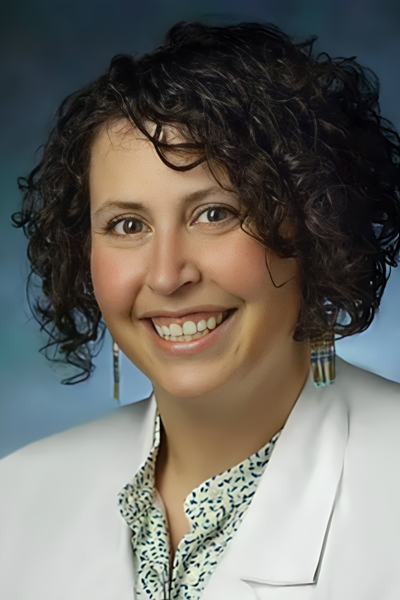
“We are really focused on looking toward the future of education this year, and that means thinking about AI,” explained Julia Shalen, MD, MAEd, Assistant Professor of Pediatrics at Johns Hopkins School of Medicine and Chair of the Workforce and Education Team for the Annual Meeting Planning Committee (AMPC).
AI will be the focus of this year’s Medical Education Great Debate, 10:30 a.m. on Sunday, November 8, in Room W110A of the Orange County Convention Center, as two experts will debate if and how AI can be ethically used in academic settings. While the technology shows plenty of exciting possibilities, some also see potential unintended consequences.
“One of the worries is that we’ll develop clinicians who ‘never-skill,’ who don’t know how to do things without AI, who don’t know how to come up with a differential diagnosis,” said Dr. Shalen. “There’s only so much AI can think for you before you have to think for yourself.”
Distorted Signals: Teaching Misinformation and Disinformation in Rheumatology Across Diverse Populations, 10 a.m. on Monday, November 9, in Room W110B, is another session tackling evolving tools and technologies. Many have noted the increasing mistrust of medical information, driven by social media platforms where unvetted content can amplify misinformation and disinformation about rheumatic diseases and their treatment. This session will focus on how rheumatologists can effectively teach while navigating these complex information landscapes, providing strategies for culturally responsive, evidence-based communication and education to build trust, empower patients, and mitigate the impact of misinformation across diverse populations.
“We’re really excited that we have speakers from three different countries coming to share their perspectives on this topic and lead our interactive panel,” said Dr. Shalen. “I think this session also plays into how we need to ensure technology is adapted for good and not evil.”
The Medical Education Year in Review, 9 a.m. on Tuesday, November 10, in Room W315, offers a year’s worth of curated, state-of-the-art rheumatology education research in just one hour. Miriah Gillispie-Taylor, MD, Assistant Professor at Baylor College of Medicine, will present several significant investigative findings since last year’s session.
The ACR Distinguished Fellowship Program Director Keynote Address, 2:30 p.m. on Tuesday, November 10, in Room W315, will be led by Kenneth S. O’Rourke, MD, MACR. Dr. O’Rourke recently retired from private practice in Portland, Maine, and as Chief, Division of Rheumatology, at Maine Medical Center. During this session, he will draw on lessons learned in clinical practice, academic life, and experiences beyond medicine to share how moments of adversity reshaped his leadership, deepened his perspective, and informed his approaches to teaching and patient care.
On Tuesday morning at 10 a.m. in Room W110A, Future-Ready Rheumatologists: Reimagining Training for the Era of Genetics, Precision Medicine, and Cellular Therapies, jointly planned by the Workforce and Education, Clinical Science, and Basic Science AMPC teams, will focus on a key element of the future of rheumatology: delivering personalized medicine, driven by cell-based therapy, immune profiling, and genetic analysis.
While the promise of personalized medicine marks an exciting new era for rheumatology, most rheumatologists were trained under previous care models. Therefore, education and training gaps will need to be addressed to incorporate these advances into clinical practice. This session will challenge attendees to rethink how to prepare for a rapidly evolving therapeutic landscape and to explore ways to help fellows learn to use these emerging tools.
“We hope that people leave the meeting with new skills and inspiration for trying new innovative teaching and assessment techniques at their institutions, as well as an understanding of how the educational landscape is changing,” explained Dr. Shalen about this year’s Workforce and Education program at ACR Convergence. “We aim to highlight all the exciting things to come, but also with the acknowledgment that there needs to be continuing discussions as we move towards all of these rapidly evolving educational innovations.”
The complete list of ACR Convergence 2026 Workforce and Education track sessions is available in the online program.
Additional Workforce and Education Sessions
Sunday, November 8
- Cultivating Clinician Educators: Tools and Frameworks for Evaluating Rheumatology Fellows as Teachers, 9–10 a.m., Room W110A
- Education & Wellness Inspirations (Teaching Pearls), 3–4:30 p.m., Room W205
Monday, November 9
- The SimRheum: Bridging Gaps in Rheumatology Education with Simulation, 1–2:30 p.m., W110A
- Write, Wipe, Repeat: Using Whiteboard Mini-Lectures and Mini-Chalk Talks to Transform Rheumatology Teaching, 3–4:30 p.m., Room W110A
Tuesday, November 10
- Lights, Camera, Learn: Elevating Medical Education Through Video, 1–2 p.m., Room W315
- Op-Eds, Essays, and Expert Commentary: Rheumatology in the Mainstream Media, 4–5 p.m., Room W315
Wednesday, November 11
- Education & Wellness Inspirations (Wellness Pearls), 8:30–9:30 a.m., Room W308
- The Resilient Rheumatologist: Smart Strategies for Career Transitions, 10–11 a.m., Room W308
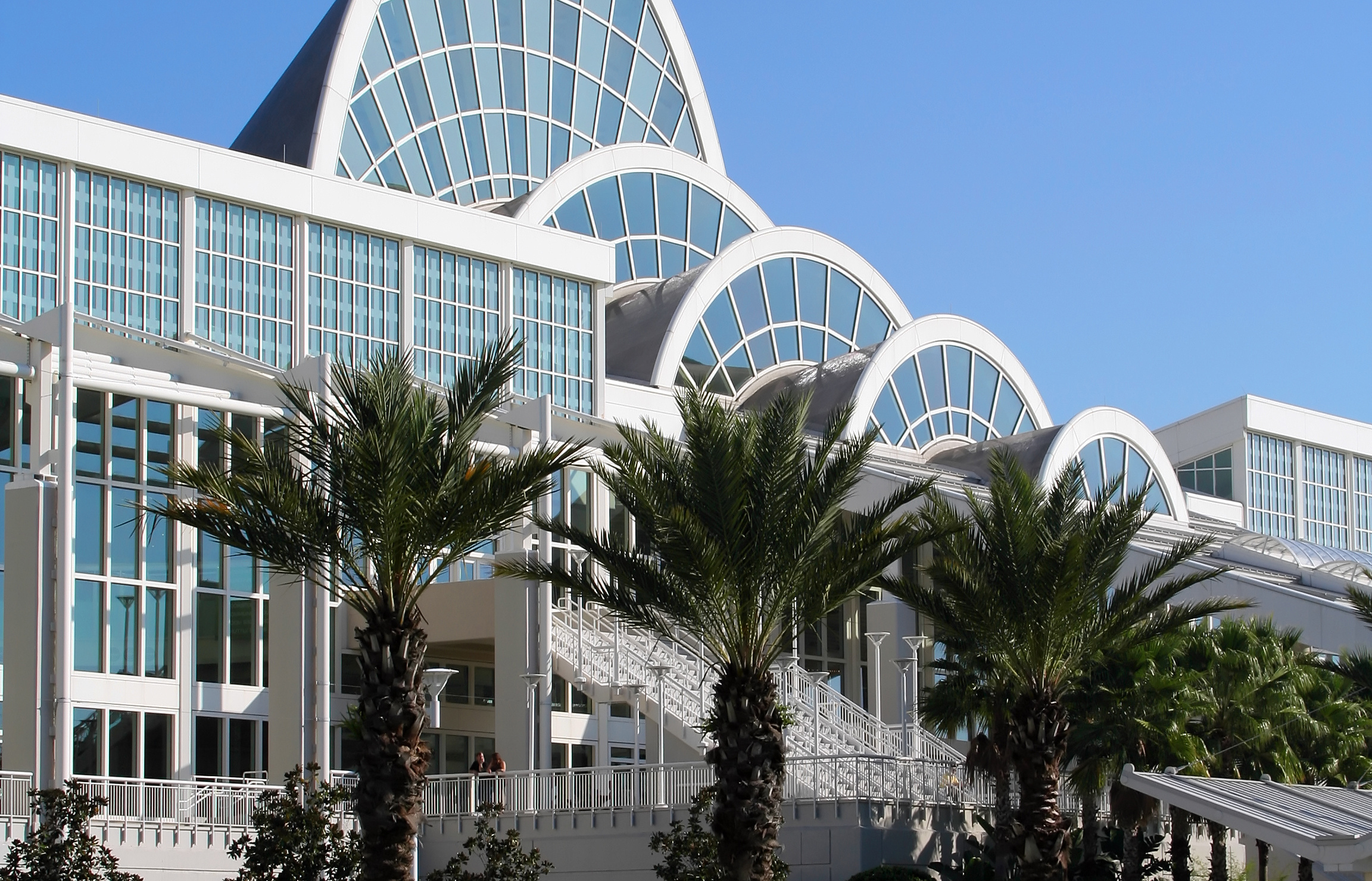
JOIN US IN ORLANDO
If you haven’t registered for ACR Convergence 2026, register today to participate in this year’s premier rheumatology experience, November 6–11 in Orlando, Florida. All registered participants receive on-demand access to scientific sessions after the meeting through September 30, 2027.