The success of chimeric antigen receptor T-cell (CAR-T) therapy and other cellular immunotherapy in oncology has led researchers to explore whether the new therapeutic architecture seen in cancer can be replicated elsewhere. In a special series at ACR Convergence 2026, Cellular Immunotherapy: Are We on the Cusp of a Therapeutic Revolution in Rheumatology?, experts will ponder that question from multiple angles.
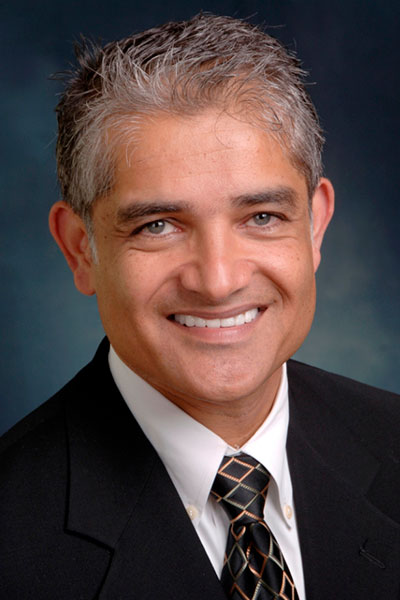
“We learned from CAR-T therapy in cancer, which was sort of a revolution in cancer, and then we had small trials in diseases like lupus and myositis with remarkable results, but again, small,” said Salahuddin Kazi, MD, UT Southwestern Medical Center, one of the session moderators. “So, when this title questions whether we’re on the cusp of a revolution, it also brings the whole idea that we can’t say a confident ‘yes’ yet. I think a better answer is that we’re at the cusp of finding out if this is going to be a therapeutic revolution, because the initial efficacy signals are extraordinary.”
The three-part series takes place 1–2:30 p.m. daily Sunday–Tuesday, November 8–10, with different moderators and speakers each day. The lineup includes:
Session 1—Sunday, November 8
- CARs, TCEs, and Newer MAbs: Fundamental Science of Cellular Therapies, presented by Ricardo Grieshaber-Bouyer, MD, PhD, University Hospital Erlangen, Germany
- Potential Side Effects of Cellular Therapies: ICAN Be Aware of These Potentially CRiouS Issues, presented by Anca Askanase, MD, MPH, Hospital for Special Surgery
- Fundamentals of Teaching Immunology to Trainees and Helping Them Communicate These Concepts to Patients, presented by Philip J. Mease, MD, MACR, Swedish Medical Center/Providence St. Joseph Health and University of Washington
Session 2—Monday, November 9
- Which Diseases Are Most Amenable to Cellular Therapies and Why?, presented by Nirali Shah, MD, MHS, University of Maryland School of Medicine
- Regulatory Issues and Cellular Therapy: FDA Overview, presented by Anam Tariq, DO, MHS, U.S. Food and Drug Administration (FDA)
- Update in Outcomes of Adult Patients Treated with Cellular Therapies, presented by Dr. Askanase
Session 3—Tuesday, November 10
- Patients and Cellular Therapies: Organizing and Running Clinical Trials, and Where to Find Them, presented by Leila Khalili, MSN, FNP, APRN, Hospital for Special Surgery
- What’s Happening in the Pediatric World of Cellular Therapy?, presented by Hermine Brunner, MD, MSc, MBA, Cincinnati Children’s Hospital Medical Center
- Full Speed Ahead on Cellular Therapy in Rheumatology: Pro, presented by Dr. Grieshaber-Bouyer
- Full Speed Ahead on Cellular Therapy in Rheumatology: Con, presented by George C. Tsokos, MD, MACR, Beth Israel Deaconess Medical Center
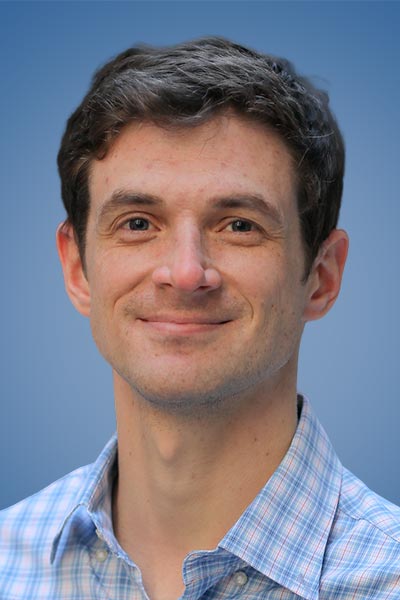
“We’re trying to comprehensively cover not just CAR-T cells, but the T engager and other cellular therapies and new monoclonal antibodies,” said William Ambler, MD, National Institutes of Health (NIH)/National Institute of Arthritis and Musculoskeletal and Skin Diseases (NIAMS), a moderator for Session 1. “We’re going to cover a lot of what’s new coming down the pipeline and tell everybody what they need to know, from the science to the practical aspects to the clinical aspects.”
The first day will provide an overview of the immunobiology of cellular therapies for rheumatic diseases—therapies that focus on selectively rebuilding the immune system rather than continuously suppressing it.
“Sunday is going over the background—the science behind what these therapies are, how they work, how they’re generated,” Dr. Ambler said. “The goal is educating rheumatologists who might not be familiar with the nuts and bolts of what these therapies are, what the side effects are and the science behind the side effects, and then what is seen clinically and how we’ll go about teaching patients and trainees about these therapies.”
The second day will examine which diseases might be most responsive to cellular therapies, review the status of FDA regulation and approval of cellular therapies, and share results from recent clinical trials on cellular therapy use in people living with rheumatic disease.
“There’s this whole machinery that happens well beyond drug development that involves a drug’s approval and the practical aspects of tracking outcomes,” Dr. Kazi noted.
The series will conclude with information on how to organize clinical trials for cellular therapies, an update on these therapies in pediatric rheumatic disease, and a debate on the correct pace for the widespread use of cellular therapy in rheumatology.
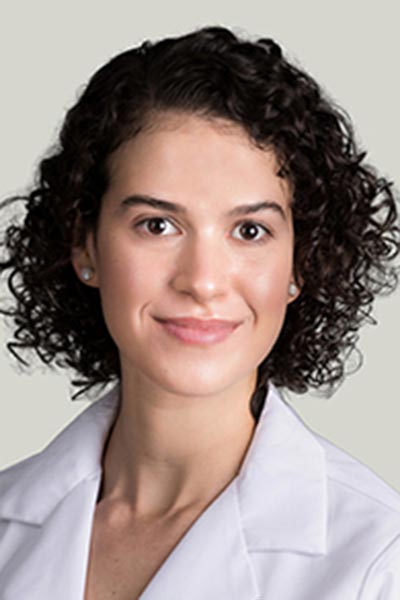
“The literature seems to be very biased toward positive results at this point,” said Iazsmin Bauer Ventura, MD, MS, University of Chicago, one of the moderators for Session 3. “We also want to put forward in this discussion the concerning issues related to CAR-T, not only from the safety profile, which has been in the media recently, but also logistics and feasibility. These trials are extremely time-sensitive. They require a huge commitment from physicians, from hospitals, from patients, from family members, so we want to provide that down-to-earth overview of what it means to actually infuse these patients in the current scenario. We expect that whatever treatment is moving forward is going to be scalable and approachable to patients.”
Multiple trials are taking place around the world studying cellular therapies for autoimmune rheumatic diseases, and two CAR-T trials were paused because of safety concerns, so rheumatologists should be prepared for patients approaching them with questions about the future of research on these therapies.
“This is such a moving field right now, and this is an important time to be discussing, reviewing, and reevaluating whether this really fits for our patients and what is the future of CAR-T and other cellular therapies given the recent safety concerns,” said Session 3 moderator May Choi, MD, FRCPC, MPH, University of Calgary, Canada. “The session will provide attendees with insights into some of the most recent developments in the field.”
The series is designed for a broad audience of rheumatology professionals.
“There are so many cellular immunotherapy research studies going on right now that the day-to-day practicing rheumatologist as well as the academics and those in pharma should know about these therapies and what to look for, so knowing the fundamentals are incredibly important,” said Session 1 moderator Donald Thomas, MD, FACP, FACR, RhMSUS, Arthritis and Pain Associates of Prince George’s County.
Despite the questions that remain about cellular immunotherapy, Dr. Thomas said it represents an encouraging new chapter in treating autoimmune disorders and rheumatic diseases.
“I was first enthralled by it a few years ago when those eight patients were reported who had severe SLE [systemic lupus erythematosus] and then had drug-free, long-term remission, and it just seemed crazy,” he explained. “I’ve been in practice for over 30 years, and we’ve had lots of successful phase 2 clinical trials in lupus, but most of them failed in their phase 3 clinical trials. Nothing was 100% remission. And then a couple of years later, I counted 43 cases where almost all of them did the same thing. So, I’m a big believer that this is the next chapter in treating autoimmune diseases, and now we just need to figure out the right recipes to do this as safely as possible.”
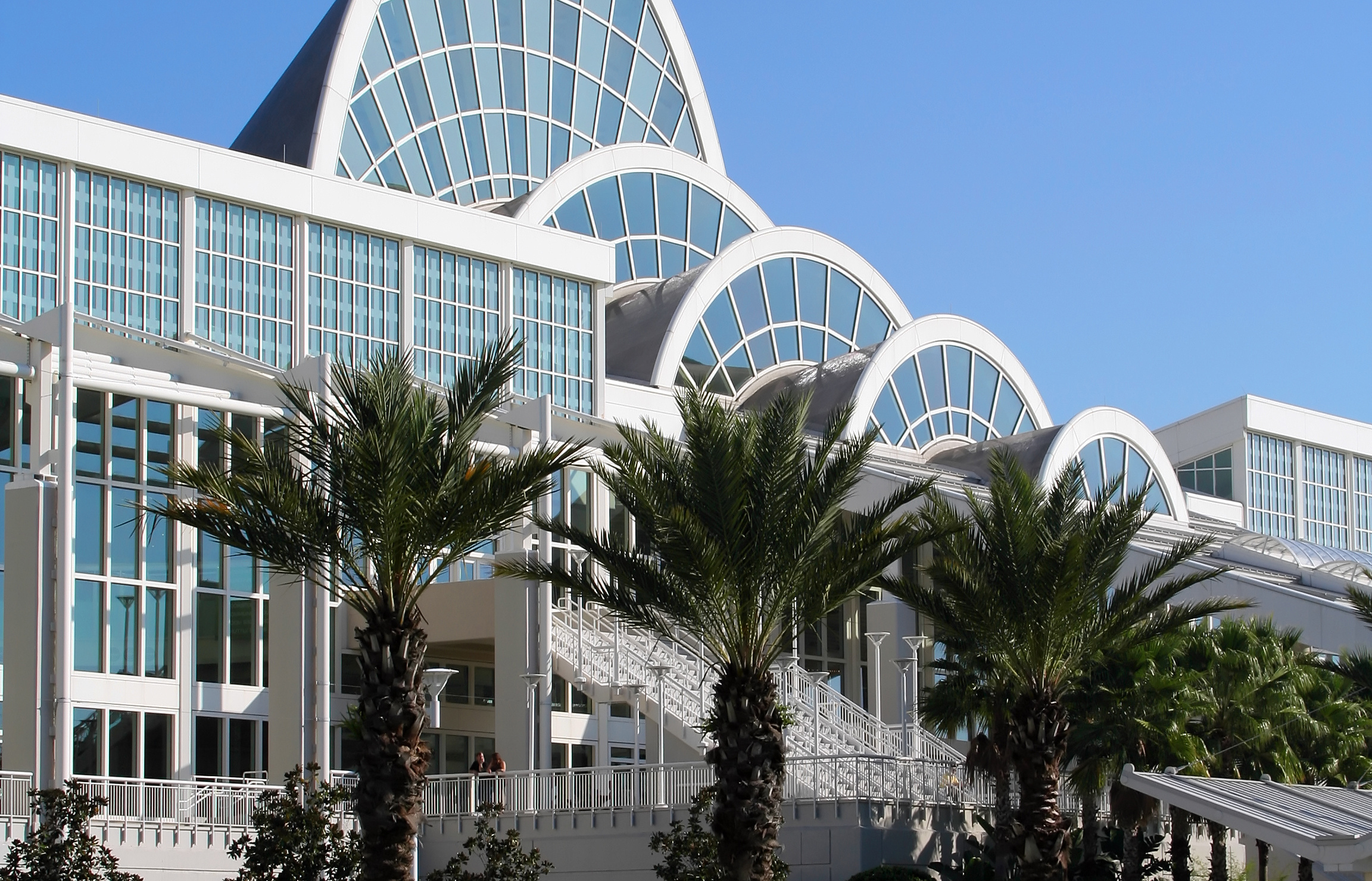
JOIN US IN ORLANDO
If you haven’t registered for ACR Convergence 2026, register today to participate in this year’s premier rheumatology experience, November 6–11 in Orlando, Florida. All registered participants receive on-demand access to scientific sessions after the meeting through September 30, 2027.