The Basic Science Track at ACR Convergence 2026 will help unravel the mechanisms of rheumatic disease by illuminating the latest scientific findings and previewing the direction of future clinical care.
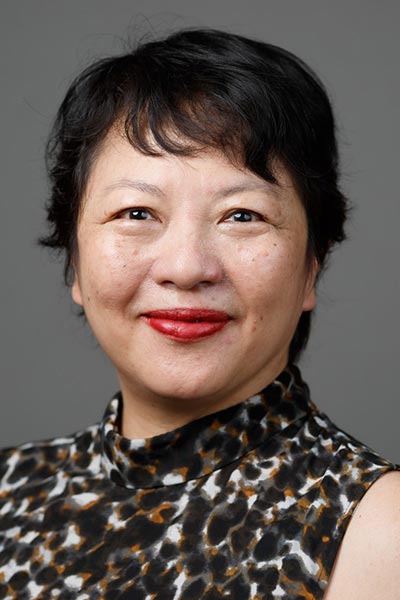
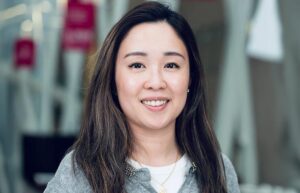
“We have an exciting program of sessions meant to bring the latest research to the attendees, to help us all better understand the biology underlying health and our diseases, and then also how these insights can be used to develop new therapeutics,” said Theresa Lu, MD, PhD, Chair of the Basic Science Team for the Annual Meeting Planning Committee (AMPC). “We have sessions focused on new insights into particular diseases, as well as sessions that are focused on novel findings that are relevant to multiple diseases or disease states.”
The Basic Science programming is designed to be relevant for investigators and the entire interdisciplinary care team.
“We are able to better treat patients today versus 30 years ago because of new therapeutic approaches,“ Dr. Lu said. “That starts with the research, and we want everyone to know what’s happening so that the care team can share in the excitement and can discuss, and everyone will be ready when the new drugs do come down the pike.”
Sessions on chimeric antigen receptor T-cell (CAR-T) therapy and similar immunotherapies, the impact of the environment on individuals’ health, and immune-fibroblast interactions as drivers of inflammation are expected to draw significant interest among attendees. Multiple sessions will complement and expand on topics featured in the three-part Cellular Immunotherapy thematic series that takes place at 1 p.m. during the first three days of scientific sessions, Sunday–Tuesday, November 8–10.
“We have some sessions looking at targets outside of the traditional CAR-T targets—mostly B cells—that are being investigated,” Dr. Lu said. “We have a session on looking at the stromal cells, the fibroblasts, as a CAR-T therapy target, as well as different kinds of CAR cells, like CAR regulatory T cells. There’s also a session where we’re talking about natural killer cells and what they do in disease and therapies.”
These basic science sessions begin on Sunday with Friend or Foe: Natural Killer Cells in Health, Disease, and Therapeutics at 4 p.m. in Room W204 and continue through Tuesday, with Beyond CD19: The Next Frontier in Engineered T-Cell Targets at 8:30 a.m. in Room W204.
Expert speakers also will explore how fat and lipid metabolism affects rheumatic disease and the musculoskeletal system, a topic featured in other tracks at the meeting as well.
“We want to synergize on that theme because there have been exciting new data published in the past year on how adipose tissue interacts with the immune and musculoskeletal system’s cells,” Dr. Lu said.
On Sunday, When Fat Talks to Cartilage: Conversations in the Arthritic Joint begins at 3 p.m. in Room W110A. Earlier that afternoon, Modeling Alveolar Immunity: New Insights into Sarcoidosis, Granulomas, and Lung Macrophages begins at 1 p.m. in Room W204 and will discuss how lipid metabolism contributes to the formation of granulomas in Sjögren’s disease.
The growing understanding of how fibroblasts and endothelial cells drive inflammation throughout the body will also be reflected in multiple sessions. On Sunday, Bridging the Great Divide: Identifying Common Pathways Across Diseases Through the Accelerating Medicines Partnership begins at 8:30 a.m. in Room W110B and Fibroblasts as Orchestrators in Psoriatic Arthritis and Immunity: Running the Circuit from Skin-to-Joint begins at 10:30 a.m. in Room W110B. On Tuesday, NIAID FOCUS: Immune Control of Fibroblasts in Scleroderma begins at 2:30 p.m. in Room W204.
“Fibroblasts and endothelial cells are tissue stromal cells and are important as drivers of inflammation, such as with inflamed synovium in arthritis. Recent research has highlighted the role of these stromal cells in connecting skin and joint disease in psoriasis and in shaping immune responses in lymphoid tissues. And in scleroderma, they’re the driving forces of fibrosis,” Dr. Lu said. “How do interactions with immune cells or other regulatory mechanisms lead the fibroblasts and endothelial cells to become pathologic, contributing to inflammation and fibrosis, and what are the mechanisms that maintain healthy stromal cells, which can have active protective roles?”
Speakers will also answer questions surrounding how the external environment contributes to health and disease.
The Monday session Check-MAIT: The Interface of the Environment and the Immune System, starting at 2:30 p.m. in Room W204, will review how the lymphatic vessels in the lungs interface with the air we breathe and control the inflammatory response of the lung, and the dynamics of mucosal-associated invariant T (MAIT) cells and external environmental factors.
On Tuesday during Context Matters – Environmental Tuning of Immune and Autoimmune Responses, starting at 1 p.m. in Room W110A, speakers will discuss epidemiologic studies investigating environmental impacts on autoimmune diseases and how environmental stressors can affect stem cells in the body.
“We need to be paying attention to all of the inputs our bodies are getting from within and from the outside,” Dr. Lu said.
On Monday, an international panel of speakers will discuss recent publications on how Epstein-Barr virus (EBV), the causative agent of mononucleosis, drives lupus by causing B cells to stimulate autoreactive T cells. Infection to Inflammation: The EBV-Lupus Axis will begin at 8 a.m. in Room W110B.
“The link between EBV and lupus has been recognized for a long time, ” said Dr. Lu. “These new findings delineate how exactly EBV corrupts the immune system to promote the autoreactive T and B cell responses of lupus.”
The complete list of ACR Convergence 2026 Basic Science track sessions can be found in the online program.
Additional Basic Science Sessions
Sunday, November 8
- Decoding Myositis: From Mechanism to Medicine, 8:30–9:30 a.m., Room W307B
- Genetic Variants as Windows into Autoimmune Pathogenesis, 9–10 a.m., Room W205
- When Host and Microbe Collide: Impact of Metabolism and the Microbiome on Lupus Pathogenesis, 10–11:30 a.m., Room W206
- Bridging Biology to Innovative Therapies in Systemic Sclerosis, 1–2 p.m., Room W110A
- Modeling Alveolar Immunity: New Insights into Sarcoidosis, Granulomas, and Lung Macrophages, 1–2 p.m., Room W204
- Friendly Fire: Breaking Tolerance in the Cardiovascular System, 2:30–3:30 p.m., Room W204
Monday, November 9
- Aging Off Course: Contributions of Aging and Senescence to Fibrosis in Rheumatic Disease, 8:30–9:30 a.m., Room W110A
- Lost in Transit: Endosomal Trafficking Failure as a Driver of Autoimmune Disease, 10–11 a.m., Room W206
- Cracking the Psoriatic Code: Cells, Circuits, and Cytokines in Psoriasis and Psoriatic Arthritis, 10–11:30 a.m., Room W415BC
- When the Message Changes: Nucleic Acid Modifications in Rheumatic Disease, 1–2 p.m., Room W204
- Through the Fog: Insights from Long COVID for Rheumatic Diseases, 4–5 p.m., Room W204
Tuesday, November 10
- A NOD2 Change: A Model Gene Linking Inborn Errors of Immunity to Rheumatic Disease, 8–9:30 a.m., Room W110A
- Decoding Autoimmunity with AI and Machine Learning, 10–11 a.m., Room W206
- The Many Faces of B Cells in Sjogren’s: Exploring Pathogenesis, Lymphoma, and Upcoming Treatment Strategies, 10–11 a.m., Room W204
- Bad to the Bone: New Mechanisms in Bone Resorption, 10–11:30 a.m., Room W414
- Tipping the Balance: Drivers and Brakes in Autoimmune Disease Progression, 1–2 p.m., Room W204
- TLR7 from Discovery to Translation: Lupus Research Alliance Lupus Insight Prize Lectureship, 3:30–4:30 p.m., Chapin Theater
- From Chaos to Control: Mechanistic Insights Guiding Care in Cytokine Storm Syndrome, 4–5 p.m., Room W110A
JOIN US IN ORLANDO
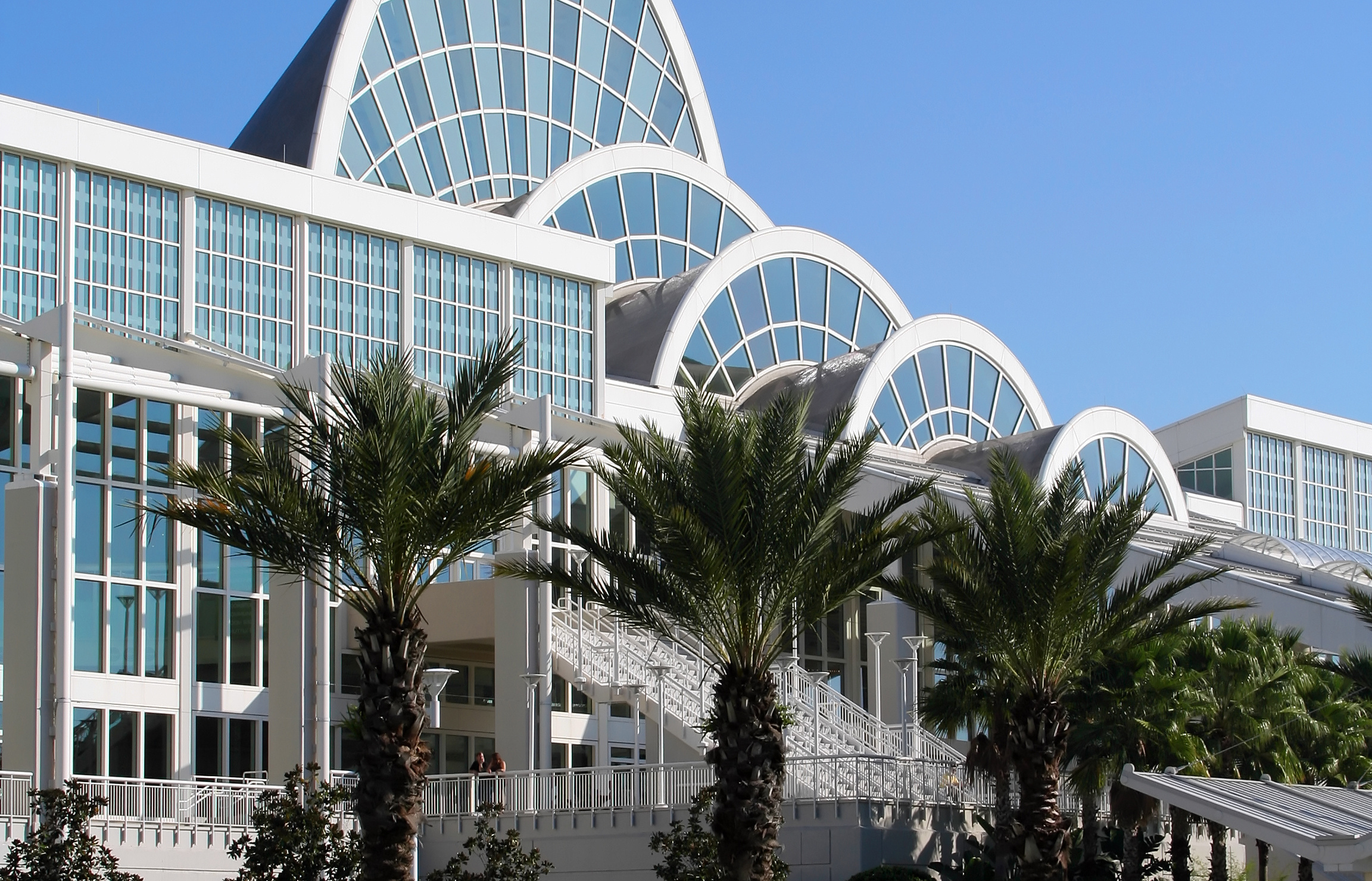
If you haven’t registered for ACR Convergence 2026, register today to participate in this year’s premier rheumatology experience, November 6–11 in Orlando, Florida. All registered participants receive on-demand access to scientific sessions after the meeting through September 30, 2027.