



Gout has traditionally been seen as a disease of the opulent and indulgent, but the reality is more ordinary. About 5.1% of the adult U.S. population was living with gout in 2018 — more than 12 million people — with more than 55 million people affected worldwide. The global population of those living with gout is projected to top 95 million by 2050.

Gout is associated with metabolic syndrome, a constellation of metabolic abnormalities clustered around insulin resistance, said Natalie McCormick, PhD, Instructor in Medicine in the Rheumatology and Allergy Clinical Epidemiology Research Center, Massachusetts General Hospital and Harvard Medical School.
Dr. McCormick was one of a trio of presenters in the Monday session Gazing into the Crystal Ball: Gout and Cardiometabolic Comorbidity Management. Recorded sessions at ACR Convergence 2025 will be available on demand to all registered meeting participants within 72 hours of the live presentation through October 31, 2026, by logging into the meeting website.
Metabolic syndrome includes central obesity, elevated triglycerides, low HDL cholesterol, hypertension, and elevated glucose. All are associated with hyperuricemia, fatty liver disease, and polycystic ovarian syndrome.
Serum urate levels and hyperuricemia are both strongly associated with metabolic syndrome. About 70% of individuals with serum urate ≥10 mg/dL have metabolic syndrome, and hyperuricemia is a surrogate marker of metabolic syndrome with or without gout.
“Adding hyperuricemia as a sixth metabolic syndrome criterion could identify about 4% more individuals at high metabolic risk,” Dr. McCormick said.
Increasing insulin resistance also leads to underexcretion of urate in the kidney with a dose-related response: higher insulin resistance leads to lower urate clearance.
The DIRECT trial compared three diets: low-fat and reduced-calorie, Mediterranean with restricted calories, and low-carbohydrate with no calorie restriction. All reduced serum urate, and the decrease was mediated by weight loss and reduced insulin resistance.
“Weight loss, cardiometabolically healthy diets, and reduced fructose intake could improve insulin resistance and gout outcomes,” Dr. McCormick concluded.
Improving gout outcomes is not the only benefit of normalizing serum urate levels. Gout is an independent risk factor for myocardial infarction with an odds ratio (OR) of 1.26.

“The data are pretty robust,” said Jasvinder Singh, MD, MPH, Chief of Immunology, Allergy and Rheumatology at Baylor College of Medicine. “The risk is there for non-users of alcohol, diuretics, or aspirin and those without metabolic syndrome, diabetes, or obesity.”
Gout is likewise an independent risk factor for any vascular event, any coronary heart disease (CHD), any peripheral vascular disease, and atrial fibrillation.
Gout carries a similar relative risk (RR) for all-cause mortality and cardiovascular mortality, RR 1.3. Untreated gout and hyperuricemia are both poor prognostic indicators after myocardial infarction with RR ranging from 1.73 for all-cause death to 2 for CHD mortality.
Allopurinol can reduce myocardial infarction (MI) risk, with longer duration of use leading to lower hazard ratio (HR) of MI, from no reduction during the first six months of use to HR 0.70 for more than two years of use. Allopurinol can also reduce risk for acute CVD in patients with gout and diabetes, HR 0.67.
Febuxostat was non-inferior to allopurinol for cardiovascular outcomes, but had higher all-cause and cardiovascular mortality. Most (85%) of the deaths in the study occurred when patients had discontinued treatment.
Adding colchicine for gout flare prophylaxis when initiating urate-lowering therapy reduces cardiovascular events, HR 0.82, compared to the same urate-lowering therapy without colchicine.
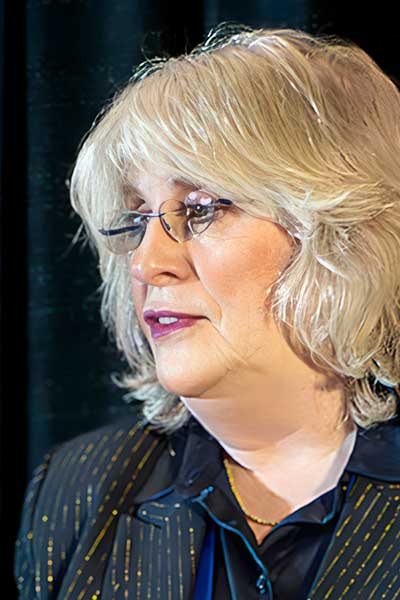
“We need to treat gout and all its associated comorbidities by lowering inflammation and reducing urate levels to optimum,” said Naomi Schlesinger, MD, the Harold J., Ardella T., and Helen T. Stevenson Presidential Endowed Chair of Rheumatology, Professor and Chief, Division of Rheumatology at the Spencer Fox Eccles School of Medicine, University of Utah. “Gout flares are just the tip of the iceberg of an increased lifetime risk of CVD.”
Multiple studies support the use of colchicine, allopurinol, sodium-glucose co-transporter 2 (SGLT2) inhibitors, and glucagon-like peptide-1 receptor agonists (GLP-1 RAs)/gastric inhibitory peptides (GIPs)/GLP-1RA inhibitors to reduce the risk of cardiovascular morbidity and mortality as well as improve gout outcomes, Dr. Schlesinger noted.
Statins can reduce serum urate, as can fenofibrate. Empagliflozin and fenofibrate monotherapies lower serum urate in type 2 diabetes.
While there is no evidence that oral urate-lowering therapies affect blood pressure, a post hoc analysis of pegloticase showed a significant decrease in blood pressure versus placebo.
Losartan is a uricosuric, a benefit in patients with gout, and SGLT2 inhibitors can be added to thiazide diuretics to lower blood pressure. Diuretics generally boost the risk of gout, Dr. Schlesinger noted, and SGLT2 inhibitors may be protective.
Metformin reduced the risk of gout by 32% in individuals with pre-diabetes. Metformin and SGLT2 inhibitors have comparable effectiveness in reducing gout risk in those with A1C levels ≥6.5. SGLT2 inhibitors are more effective in lowering serum urate in patients with type 2 diabetes.
SGLT2 inhibitors have also been shown to reduce the risk of gout, the incidence of gout, and recurrent gout flares.
The problem, Dr. Schlesinger noted, is that virtually all of these gout-related results are derived from secondary analyses of cardiovascular or diabetes studies. Gout-specific studies are needed to confirm early results.
“We need more evidence so we can provide recommendations for our patients,” she said. “Therapies that treat gout and associated comorbidities are expected to become the standard of care.”

JOIN US IN ORLANDO
If you haven’t registered for ACR Convergence 2026, register today to participate in this year’s premier rheumatology experience, November 6–11 in Orlando, Florida. All registered participants receive on-demand access to scientific sessions after the meeting through September 30, 2027.