

Occupational distress and burnout are regrettably common among clinicians and other healthcare professionals, which can negatively impact not only those suffering from these conditions in their personal and professional lives, but also the patients they care for.
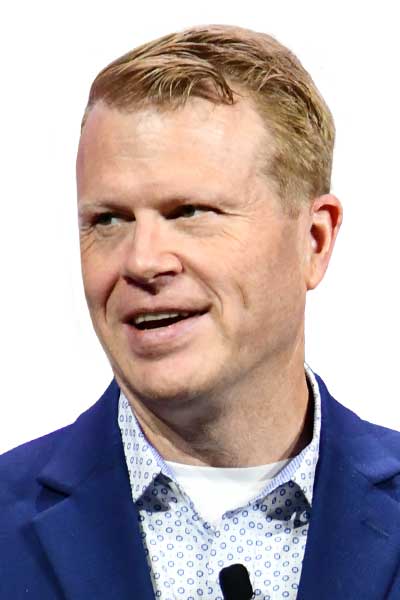
Thought leader Tait Shanafelt, MD, Chief Wellness Officer, Associate Dean, and the Jeanie and Steward Richie Professor of Medicine at Stanford University, and Saturday evening’s ACR Convergence Opening Session speaker, asserted that these challenges must be combated on an organizational and individual level. However, Dr. Shanafelt clarified that he viewed individual changes as approximately 20% of this equation; the remaining 80% of the burden for positive interventions falls primarily on healthcare organizations to support their staff through systemic changes.
“This is all our work to do, it’s just that 20% of it is work we can do individually with personal decisions,” Dr. Shanafelt said. “But we are the system, and if we don’t help effect the change in our practice models, no one else can do it for us.”
Ongoing development and support for a health system’s leaders is one approach that can lead to significant improvements in professional satisfaction and cascade throughout an organization. Research cited by Dr. Shanafelt indicated that nearly 50% of the variability in professional satisfaction between units correlated with how they assessed their local leaders.
Collaborative action planning at the individual unit level is another step in the right direction toward positive organizational change. This practice involves gathering each unit within the health system to identify, develop, and operationalize one change centered on one of seven drivers of occupational satisfaction that can be improved (e.g., work-life integration or efficiency and resource utilization). According to Dr. Shanafelt, this process can be effective, even if the designed solutions aren’t initially optimized.
“Every unit we’ve taken through this has shown an improvement in burnout, and it’s not because the interventions always have the desired outcome,” he explained. “The process is the primary intervention.”
Organizations can also invest in tools that help lighten clinicians’ workload. For example, Dr. Shanafelt cited data from multiple sources showing that artificial intelligence tools to document patient interactions, which only saved users about 40 minutes per day, had an outsized effect on burnout because they reduced providers’ cognitive load and allowed them to focus on listening to patients’ needs.
Discussing actionable individual-based strategies to help those struggling with burnout, Dr. Shanafelt highlighted the importance of identifying the most meaningful aspect of one’s work. He cited a study showing that individuals who spend less than 20% of their time on their most meaningful activities at work are at a significantly higher risk of burnout than those who reach the 20% threshold.
Dr. Shanafelt also emphasized the importance of building connections and community with other healthcare professionals who could sympathize with the extraordinary emotional demands of being a care provider. He noted occurrences of “sacred events,” defined as short periods of time that evoke powerful emotions and/or spiritual qualities of transcendence and boundlessness. He presented data that showed over 67% of respondents reported experiencing a sacred moment with a patient, yet 75% never or rarely discussed sacred moments with their colleagues. This dissonance is significant, as the study showed that individuals who shared these experiences were 40% less likely to report burnout.
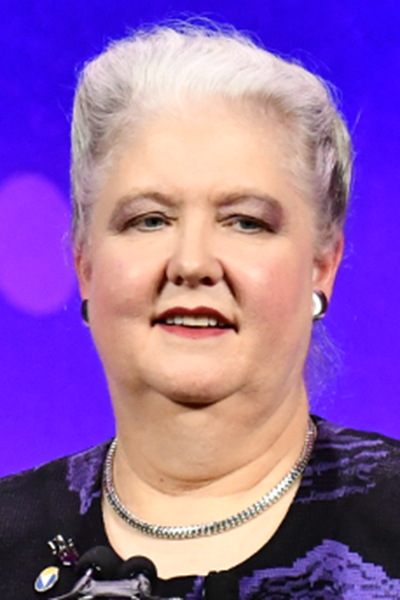
“Being a physician has always been very emotionally demanding work. That has been true for millennia. Being a nurse has always been emotionally demanding work. That has been true for hundreds of years. One of the things that has sustained us is the people sitting in this room, who are dedicated, altruistic, hard-working people who make sacrifices to care for others and want to be there to support each other,” Dr. Shanafelt said.
As part of the Opening Session, ACR President Carol A. Langford, MD, MHS, ARP President Adam Goode, PT, DPT, PhD, and Rheumatology Research Foundation President Liana Fraenkel, MD, officially opened this year’s conference by reviewing the many accomplishments and obstacles the organizations have faced since the 2024 annual meeting in Washington, D.C. Dr. Langford acknowledged that 2025 has been a challenging year for many in the scientific community, which only underscores the importance of professional communities like the ACR.
“During times of challenge, the messages of our professional organizations take on even greater significance,” Dr. Langford said. “The ACR remains steadfast in upholding its guiding principles and seeing through its mission, which is to empower rheumatology professionals to excel in their specialties.”
The Opening Session also recognized and celebrated the 2025 ACR and ARP award recipients.

JOIN US IN ORLANDO
If you haven’t registered for ACR Convergence 2026, register today to participate in this year’s premier rheumatology experience, November 6–11 in Orlando, Florida. All registered participants receive on-demand access to scientific sessions after the meeting through October 31, 2027.