


Meeting Coverage 2025
-
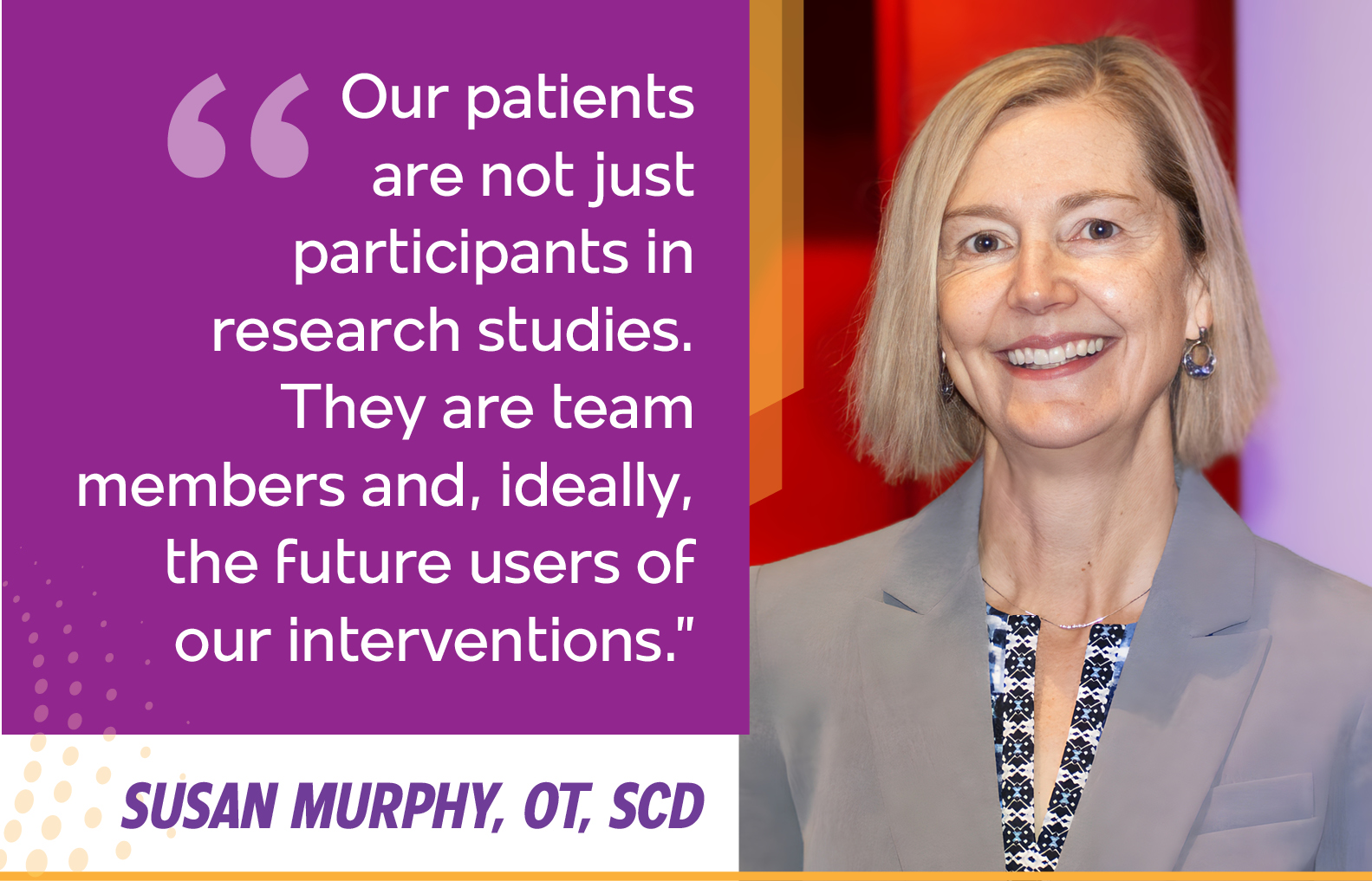
ARP Distinguished Lecture Illuminates Participatory Research
Susan Murphy, OT, ScD, explained how leveraging participatory research methods and positioning patients and community members as essential co-creators rather than passive recipients of medical interventions can lead to meaningful collective health solutions for complex medical challenges.
-
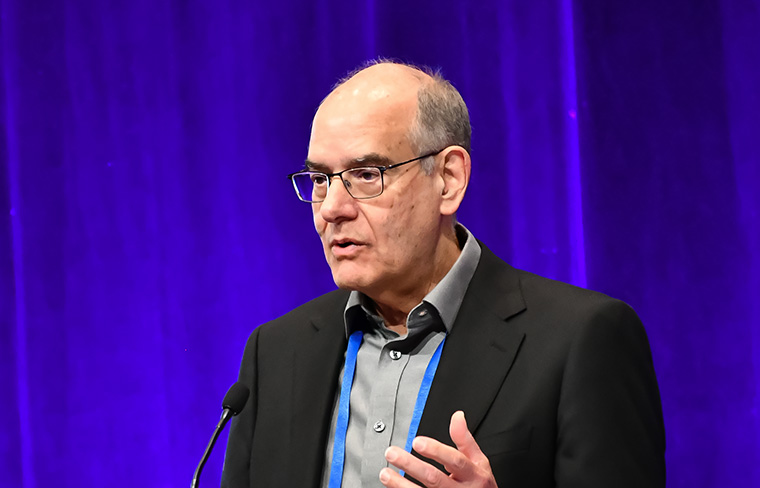
Klemperer Lecturer Recounts New Ideas for RA Pathogenesis, Progression, and Treatment
In the Monday lecture, Michael Brenner, MD, discussed new paradigms in the immunopathogenesis of rheumatoid arthritis and other autoimmune diseases that come from taking an “unbiased” approach.
-
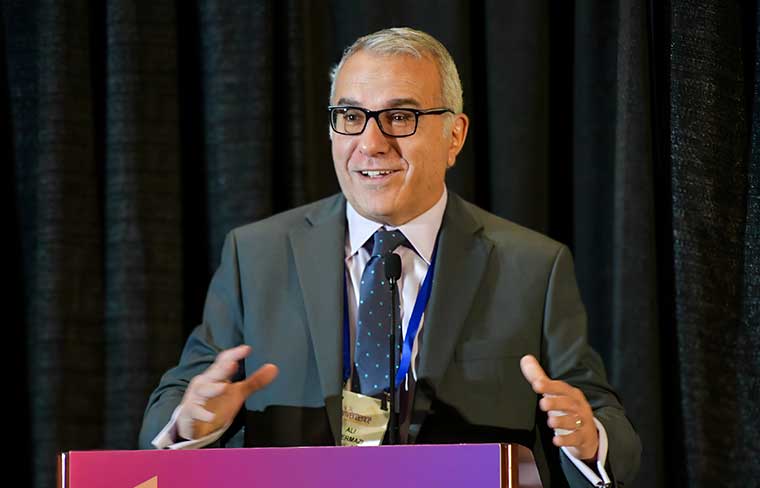
International Panel Explores Emerging Roles for AI in Rheumatology Imaging
Ali Guermazi, MD, PhD, MSc, was among the experts discussing how artificial intelligence (AI) is changing imaging for the diagnosis and management of rheumatic diseases.
-
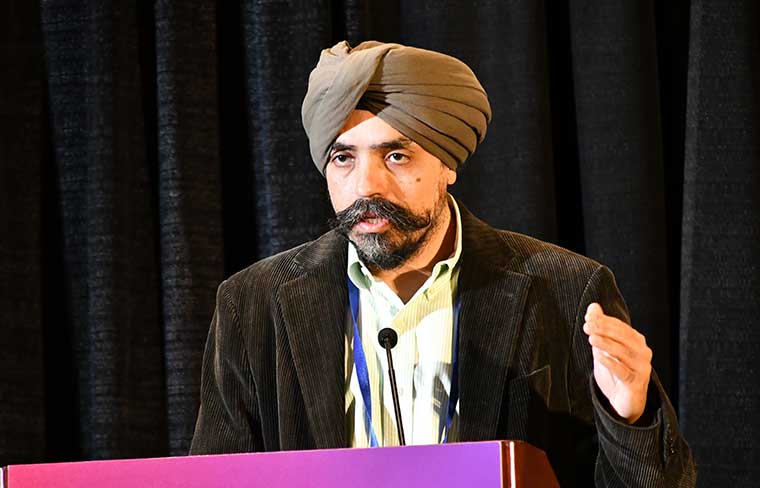
Speakers Trace Evolution in Gout Management
Experts, including Jasvinder Singh, MD, MPH, examined the dynamics of gout and cardiometabolic comorbidity management. Gout is an independent risk factor for any vascular event, coronary heart disease, peripheral vascular disease, and atrial fibrillation, he explained.
-
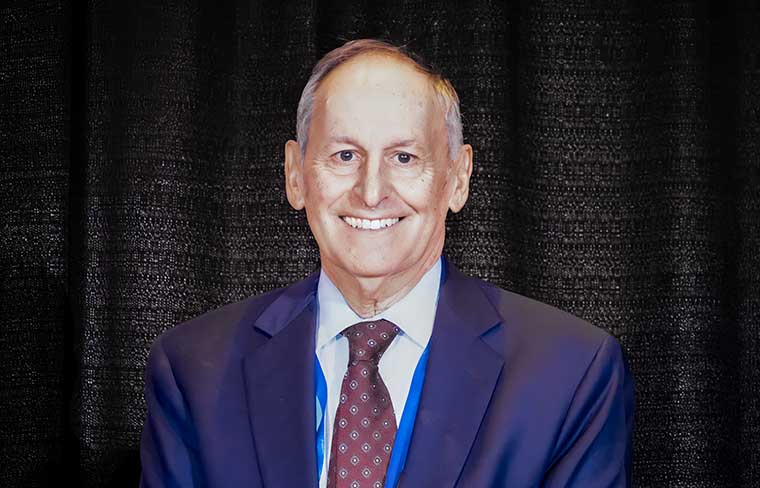
Experts Share the Habits and Skills That Make a Master Clinician
Three experts, including David Pisetsky, MD, PhD, shared pearls of wisdom with ACR Convergence attendees to help them achieve greatness in their home practices. Each master clinician agreed that the art of close observation is essential in interactions with patients.
-
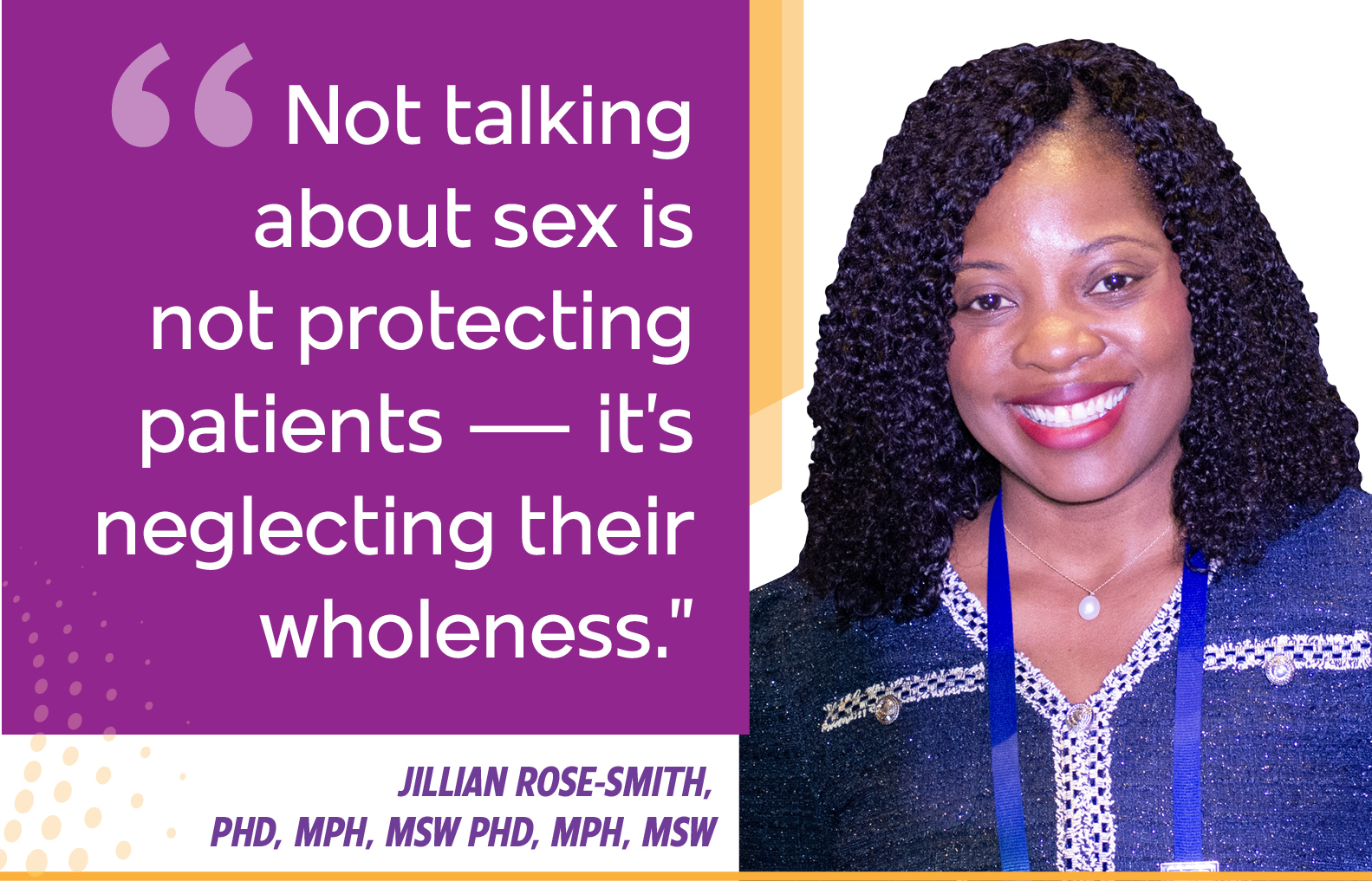
Daltroy Lecture Breaks the Silence Around Conversations Between Patients and Rheumatologists About Sex and Intimacy
Discussing sex, sexuality, and intimacy can be daunting for patients and providers, but ignoring sexual health can have serious implications for the happiness and overall health of those who rely on their clinicians for care. Monday’s Daltroy Memorial Lecture sought to equip rheumatologists with the…
-
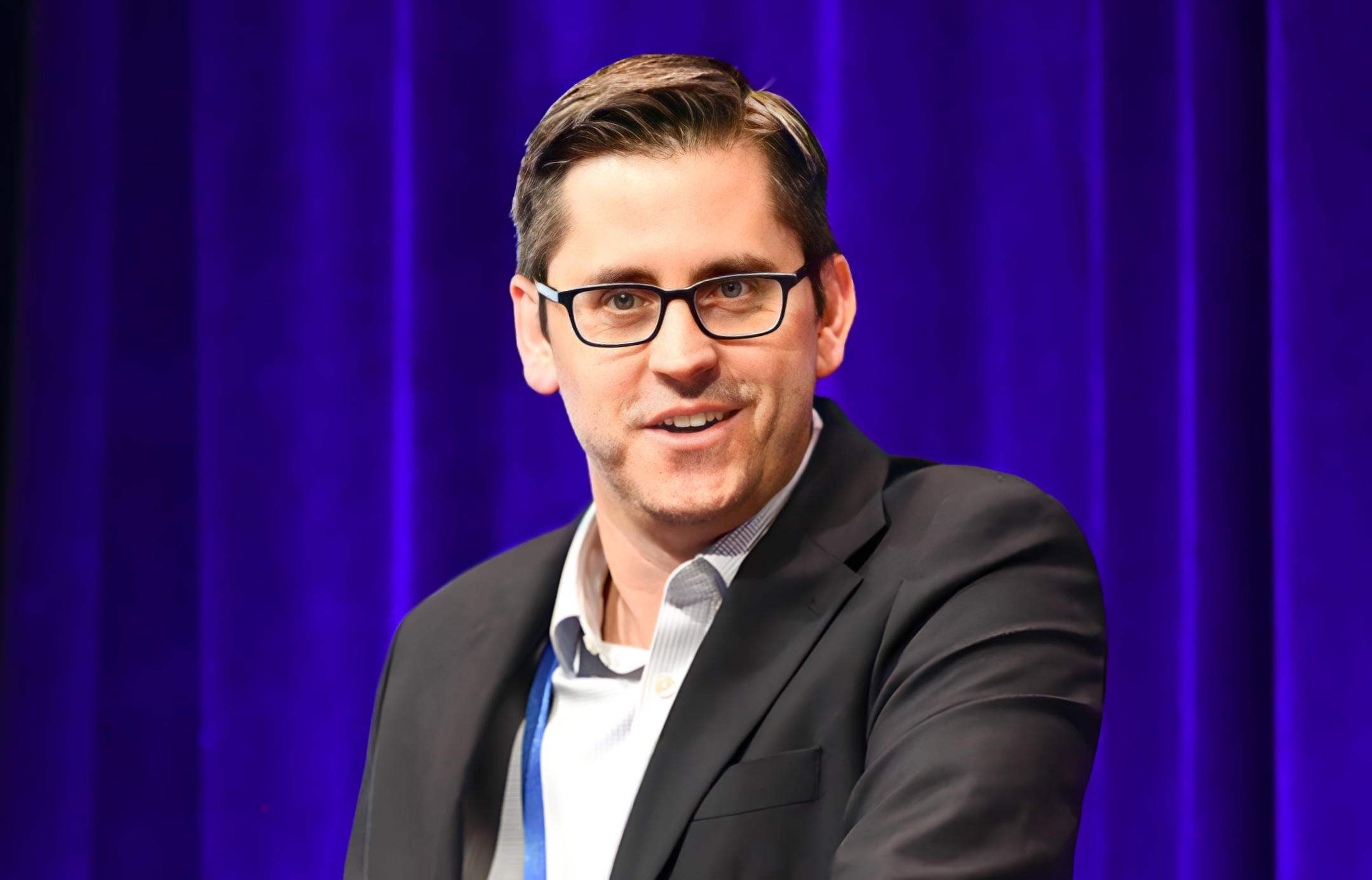
Dubois Lecturer Details B Cell Mechanisms and Therapeutic Targets in Lupus
B cells have played a pivotal role throughout the history of lupus research. Shaun Jackson, MD, PhD, reviewed mechanistic insights from animal models, translational findings in human disease, and the implications for current and emerging therapies.
-
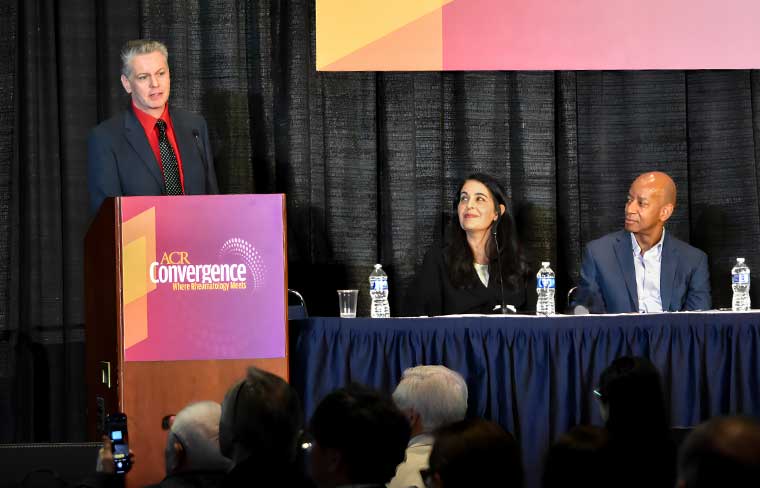
Debate Considers Whether Harnessing AI in Medicine Is Unlocking Potential or Unleashing Chaos
In Monday’s Great AI Debate, Jeffrey Curtis, MD, MS, MPH, presented the case that artificial intelligence (AI) augments clinicians in their care of patients, while Jinoos Yazdany, MD, MPH, cautioned that AI needs guardrails for use in healthcare.
-
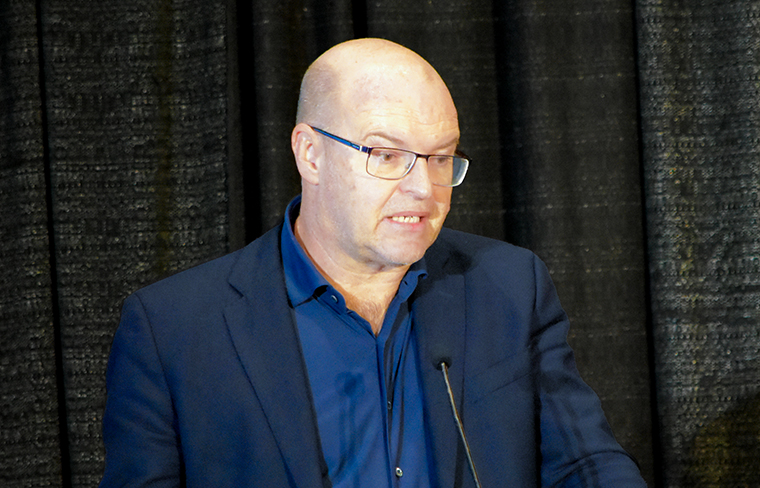
Investigator Outlines Promising Preliminary Results for CAR-T Therapies in Pediatric Autoimmune Diseases
Georg Schett, MD, summarized findings from multiple studies of the effects of chimeric antigen receptor T cell therapy in children aimed at inhibiting the progression of damage and organ failure and the cessation of chronic immunosuppression.
-

Pediatric Year in Review Summarizes Recent Impactful Papers on Basic and Clinical Science
Peter Nigrovic, MD, reviewed new insights into the basic science of rheumatic disease in childhood, including groundbreaking work in juvenile idiopathic arthritis. Karen Onel, MD, discussed advances in clinical science.