



Patients often rely on their rheumatologist for help with various manifestations of disease, but some conversations can be more difficult to approach than others. Those living with a rheumatic condition can experience significant impacts on their sexual function, including decreased sexual desire, reduced frequency of intercourse, pain during sexual activity, and other psychological factors associated with their condition. Discussing sex, sexuality, and intimacy can be daunting for patients and providers, but ignoring sexual health can have serious implications for the happiness and overall health of those who rely on their clinicians for care.
Monday’s Daltroy Memorial Lecture: Breaking the Silence: Empowering Patient/Provider Conversations on Sex and Intimacy in Rheumatic Conditions sought to equip rheumatology providers with the tools to foster open dialogue, create a supportive environment, and empower patients to address their sexual health concerns with confidence. Recorded sessions at ACR Convergence 2025, including the Daltroy Lecture, will be available on demand to all registered meeting participants within 72 hours of the live presentation through October 31, 2026, by logging into the meeting website.

“Not talking about sex is not protecting patients — it’s neglecting their wholeness,” said Jillian Rose-Smith, PhD, MPH, MSW, Vice President and Chief Health Equity Officer at the Hospital for Special Surgery. “Silence doesn’t separate. It doesn’t spare discomfort. It limits our healing. Sexuality is part of our identity, function, and quality of life for every patient.”
Unfortunately, these discussions are not happening as consistently as they should, according to the lecture’s three featured speakers.
Data cited by Monique Gore-Massy, BA, Global Lupus Advocate and Patient Experience Researcher, showed that while 58.4% of patients with rheumatoid arthritis (RA) and 60.3% of patients with systemic lupus erythematosus (SLE) reported sexual dysfunction, only 18.6% of all patients had discussed their sexual health with a healthcare provider.
Ms. Gore-Massy shared that these disparities aligned with her personal experience as a person living with lupus.

Gore-Massy, BA
“For myself and my diagnosis of 16 years, I can count two times that I’ve been asked about my sexual activity, my sexual preferences, and where I am in my fertility planning,” she said. “Two times: With my current rheumatologist, and then when I sought out IVF and maternal health treatment. So, this is deeply personal for me.”
Dr. Rose-Smith and Lisa Sammaritano, MD, Rheumatologist at the Hospital for Special Surgery and Professor of Clinical Medicine at Weill Cornell Medical School, encouraged rheumatologists to integrate conversations about sexual and reproductive health into patients’ routine visits and quality-of-life discussions. This can be a helpful and simple first step, as the data Dr. Sammaritano shared showed that patients expect and prefer their care provider to initiate conversations on these topics.
However, research also showed that clinicians would like their patients to broach the subject, due to certain perceived barriers. Some rheumatologists think these discussions are “out of their scope” or feel they have limited knowledge on the subject, while others simply don’t believe they have the time to address these concerns.
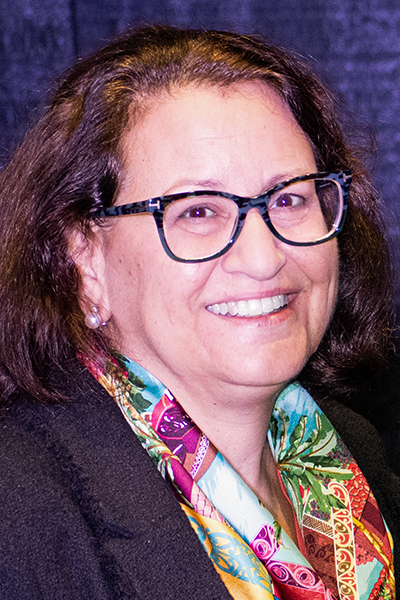
“The number one barrier is time, and that is the hardest thing to change. We’re being asked to see more patients in a given amount of time, not fewer. So, given that this is going to be an ongoing challenge, there are things we can do,” Dr. Sammaritano said.
To overcome these challenges, Dr. Sammaritano suggested several strategies, such as preparing the patient for a conversation about their sexual health before their visit with a provider, establishing a consultation and collaboration system with other healthcare providers, training care teams on how to handle these discussions, and supplying patient education materials. She noted that the ACR’s Reproductive Health Initiative, among others, offers resources for patients and rheumatologists alike.
Dr. Rose-Smith offered frameworks to guide clinicians through patient interactions about sexual intimacy and reproductive health to create a safe, inclusive, and affirming environment for everyone, particularly for patients belonging to the LGBTQIA+ community.
Small steps, such as utilizing inclusive intake forms that distinguish between sex assigned at birth and gender identity, or flags and signage that indicate patients of all orientations and identities are welcome, can make a difference in patients’ willingness to have open and honest conversations, according to Dr. Rose-Smith.
In certain cases, it can also be helpful to incorporate a patient’s partner or caregiver into conversations about sex, intimacy, and family planning, if the patient is comfortable with it.
“You want to frame the partner as a care ally, not just an observer,” Dr. Rose-Smith explained.
Ms. Gore-Massy concluded with a call to action for rheumatology professionals to tackle these conversations head-on.
“If you’re a provider, I want you to know that your patient’s sexual health is essential,” she said. “We cannot understate this. Integrate sexual health into your standard of care. It’s for their quality of life; it’s for my quality of life.”

JOIN US IN ORLANDO
If you haven’t registered for ACR Convergence 2026, register today to participate in this year’s premier rheumatology experience, November 6–11 in Orlando, Florida. All registered participants receive on-demand access to scientific sessions after the meeting through October 31, 2027.