Rheumatologists wanting to write can exist and thrive in media beyond peer-reviewed journals.
Speakers in Op-Eds, Essays, and Expert Commentary: Rheumatology in the Mainstream Media will introduce the different avenues and strategies available to engage with and influence not only professional colleagues but patients and the public. The session will take place Tuesday, November 10, from 4–5 p.m., in Room W315 of the Orange County Convention Center. A recording of the session will be available to registered participants of ACR Convergence 2026 for on-demand viewing.
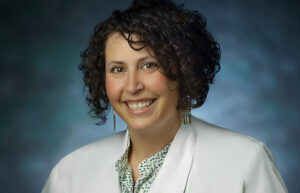
“People do care what you have to say,” said session co-moderator Miriah Gillispie-Taylor, MD, Pediatric Rheumatologist, Baylor College of Medicine/Texas Children’s Hospital, Houston. “You just have to learn how to frame it, because this is not the typical venue that we’re taught how to write and exist in.”
“Not every piece is going to change the world, but if doctors don’t contribute to the discussion through writing, then you lose an important perspective that can really add to that discussion, and I think it’s our responsibility to contribute the wisdom that we’ve gained through caring for patients.”
— Jason Liebowitz, MD
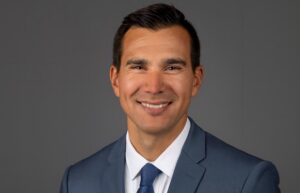
Jason Liebowitz, MD, who had the idea for this session, started as a staff writer for The Rheumatologist during his fellowship and has branched out into more medical narrative writing following a Columbia University workshop designed for physicians interested in writing for more mainstream audiences.
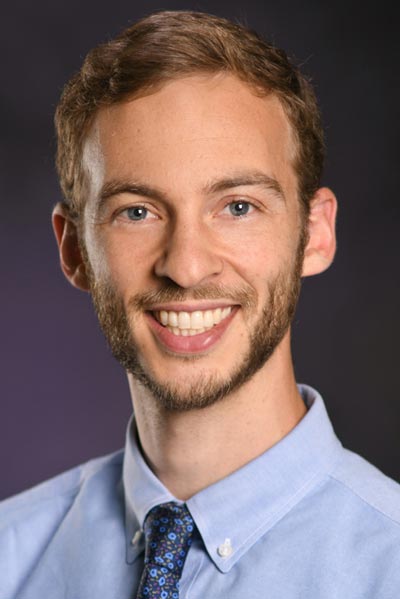
Publishing something brings personal satisfaction and can be a career boost, said Dr. Liebowitz, Assistant Professor of Medicine in the Division of Rheumatology at Columbia University Vagelos College of Physicians and Surgeons. But there’s a bigger picture to consider.
“Not every piece is going to change the world, but if doctors don’t contribute to the discussion through writing, then you lose an important perspective that can really add to that discussion, and I think it’s our responsibility to contribute the wisdom that we’ve gained through caring for patients,” said Dr. Liebowitz, who has published articles in The Atlantic and The New Yorker.
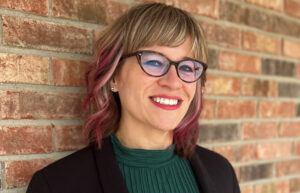
Keri Losavio, Wiley Staff Editor for The Rheumatologist since 2014, will join Dr. Liebowitz on the panel. They will discuss how to approach a topic in ways that will connect with a nonprofessional audience and share strategies for proposing an article to editors.
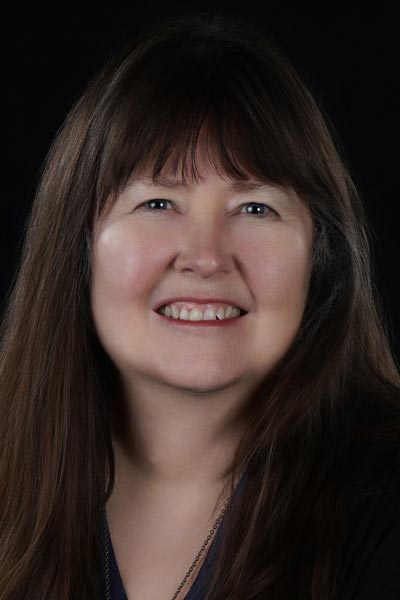
“Everyone has a story to tell—whether it’s about research they’ve conducted with the potential to make a clinical impact, about a patient with an unusual presentation or disease course, or about a technique or practice they think someone else could benefit from,” Losavio said.
Rheumatology professionals are most familiar with peer-reviewed journals and open-access journals, Losavio said. Magazines like The Rheumatologist offer authors the opportunity to share their knowledge without the fee required for open-access journals.
Losavio will explain how The Rheumatologist works and the role of an editor in shaping an article.
“My philosophy in editing, whether the content is for a medical audience or family and friends, is to ensure the writer puts their best foot forward,” Losavio said. “From my perspective, it’s the message and the author’s voice that matter. I can help authors present their research, case report, or practice tip in a way that will engage their readers.”
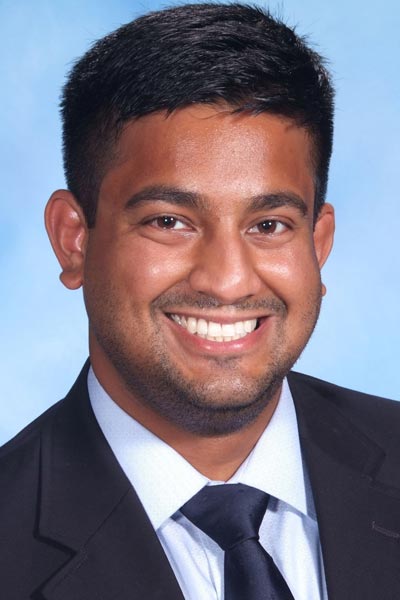
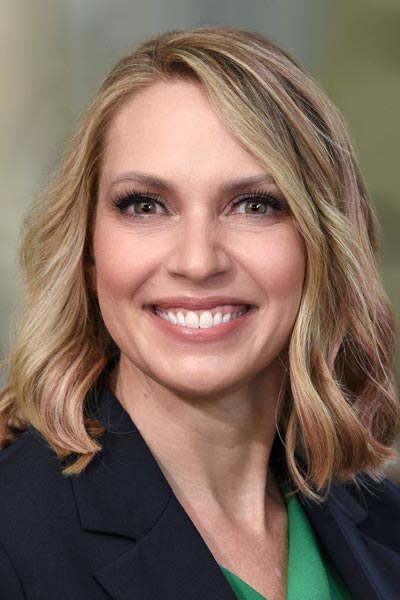
Co-moderator Martin John, MD, Fellow at Columbia University Irving Medical Center, has seen other specialties entering the modern media landscape, creating positive reactions for individuals and their specialties. Delivering clear, compelling, and accurate content can help people understand what rheumatologists do.
“We like to anchor ourselves in medical evidence, and we can have a hard time translating that into something that the patient or others can readily digest and understand,” Dr. John said. “Rheumatologists may be slightly better than other specialists, simply because there’s a very human component to rheumatology, but there’s still plenty of room for improvement.”
Dr. Liebowitz plans for an interactive session with extended time for audience questions and participation. He hopes to help attendees practice developing ideas and pitches in real time.
“I think a lot of doctors never get far into this process because they’re intimidated and don’t know where to start,” Dr. Liebowitz said. “Even the ones who are trying to do this would benefit from a lot of these practical tips about how to do so more effectively and more efficiently.”

JOIN US IN ORLANDO
If you haven’t registered for ACR Convergence 2026, register today to participate in this year’s premier rheumatology experience, November 6–11 in Orlando, Florida. All registered participants receive on-demand access to scientific sessions after the meeting through September 30, 2027.