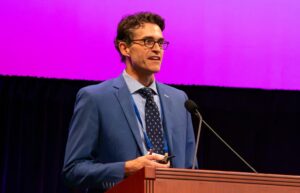
Despite major therapeutic advances in rheumatology, outcomes depend on more than medications alone. Many patients still experience delayed diagnosis, fragmented care, cost barriers, limited access to specialists, and social pressures that make it harder to access and sustain high-quality care.
During Beyond Therapeutics: Determinants of Health and Outcomes in Rheumatic Diseases, a panel of experts will discuss how social determinants of health affect patient outcomes in rheumatology and review practical, evidence-based strategies to address them in clinical practice. The session will be held on Wednesday, November 11, from 10–11 a.m., in Room W415A at the Orange County Convention Center. A recording of the session will be available to registered participants of ACR Convergence 2026 for on-demand viewing.
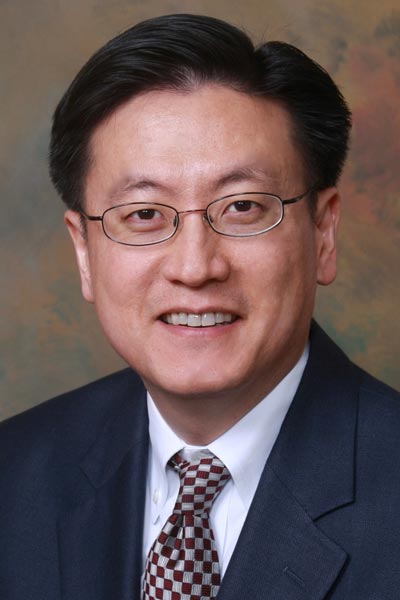
S. Sam Lim, MD, MPH, Professor of Medicine and Epidemiology at Emory University, will begin the session with a talk on how disparities are described and interpreted.
“The main point is simple: Race and ethnicity are potential predictors, not mechanisms. When we see racial or ethnic differences in rheumatic disease outcomes, we should ask what those differences are telling us about access, exposures, care delivery, social conditions, and structural barriers,” said Dr. Lim. “Race and ethnicity can help us see where inequities exist, but they do not tell us, by themselves, how to fix them. I hope attendees leave with a more careful way of thinking about disparities, not as fixed differences between groups, but as evidence of modifiable systems and care processes that we need to understand and improve.”
“Race and ethnicity can help us see where inequities exist, but they do not tell us, by themselves, how to fix them.”
— S. Sam Lim, MD, MPH
Mrinalini Dey, MRCP, MA, MBBCH, a Fellow in Rheumatology and Internal Medicine at King’s College London, United Kingdom, will then discuss how race and ethnicity are incorporated into rheumatology guidelines, what evidence supports their inclusion, and how they influence decisions for individual patients. She will also examine how recommendations have evolved and the reasoning behind retaining, removing, or reframing references to race, as well as practical considerations for developing guidance that is transparent about its evidence, assumptions, and limitations.
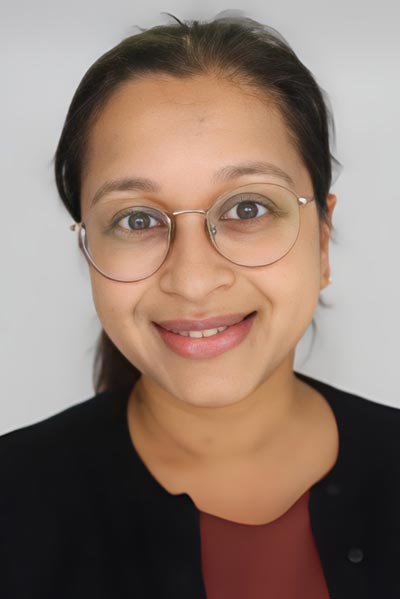
“An association between race or ethnicity and disease outcomes does not, by itself, establish that people should receive different treatments,” Dr. Dey said. “A factor associated with prognosis is not necessarily a factor that predicts a different response to a particular drug. These differences become especially important when findings from subgroup analyses are translated into recommendations for broad populations.”
She hopes attendees leave the session better prepared to critically appraise what information race or ethnicity contributes to a recommendation, and whether the evidence supports it. She emphasized that directly measured biological, clinical, or social factors may be more relevant in the context of a clinical guideline, but only when they are available and validated. However, race and ethnicity remain relevant to identifying inequities and assessing whether guidance serves different populations adequately, but each use needs to be considered on its own evidence and purpose.
Candace Feldman, MD, MPH, will conclude the session with a discussion of interventions currently utilized to address real-world social determinants of health.
“I hope attendees see this as more than a session about disparities. It is really a session about how we make rheumatology more precise, more rigorous, and more equitable,” said Dr. Lim. “For clinicians, the takeaway is that social and structural context is not separate from disease management. It shapes what happens to our patients. For researchers, the takeaway is that we need to measure the factors that actually drive outcomes. True precision medicine requires understanding the biological, clinical, social, and structural forces that affect each patient’s health.”

THERE’S STILL TIME TO JOIN US
If you haven’t registered for ACR Convergence 2026, you can still register on-site at the Orange County Convention Center in Orlando, Florida, through November 11. All registered participants receive on-demand access to scientific sessions through September 30, 2027.