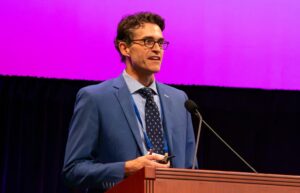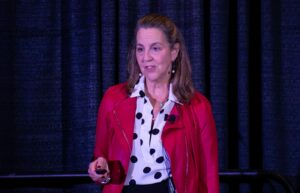
On Monday morning, November 9, at ACR Convergence 2026, ACR staff lobbyists and volunteer leaders will update attendees on public policy issues and advocacy efforts at the federal and state levels influencing rheumatology practice, research, and patient access to care. Rheumatology on the Hill: The State of Play in Washington, DC, from 8–9:30 a.m., in Room W315 of the Orange County Convention Center, will also cover policy developments that could impact American College of Rheumatology (ACR) and Association of Rheumatology Professionals (ARP) members following the U.S. elections on November 3.
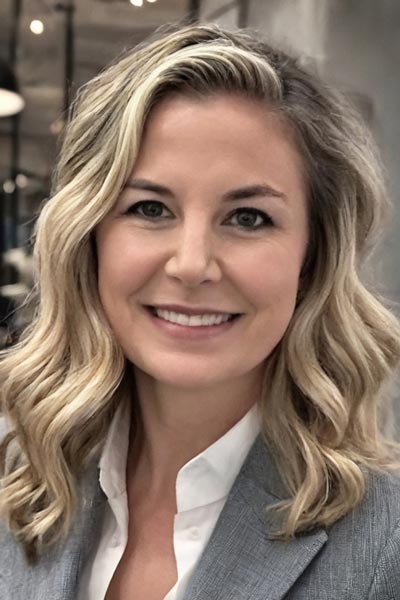
“This is an annual session, but the content changes based on what’s going on around us,” said ACR Senior Director of Advocacy and Government Affairs Lennie McDaniel, JD, who will discuss federal policy work on behalf of the ACR and ARP. “Because it is a midterm election year and because the election will have taken place days before we meet in Florida, it will largely be a recap of what the election means for rheumatology policy—what it means for the 120th Congress starting in January 2027, the lame duck Congress, and what policies we might see coming through the administration and Congress as we wrap up this 119th Congress.”
Policy affects all aspects of rheumatology, making this a session with broad appeal. A recording of the session will be available to registered participants of ACR Convergence 2026 for on-demand viewing.
“Like it or not, especially in the last 18 months to two years, research has been largely impacted by policies coming out of D.C.,” McDaniel said. “Access to research funding, actually getting those research dollars to be disseminated as grants to researchers, even if those dollars are being disseminated by Congress, has been difficult. We have certainly worked on that and have guidance for that.”
Joseph Cantrell, JD, Director of State Affairs and Community Relations for the ACR, will address state-level policy work.
Billing, coding, prior authorization reform, step therapy reform, prescription drug pricing, supporting the medical workforce, access to biosimilars, telehealth, and recent changes to student loan access are additional issues the ACR’s lobbyists have been closely following and will be addressed, along with access to Orencia for the treatment of juvenile idiopathic arthritis (JIA) and Medicare reimbursement.
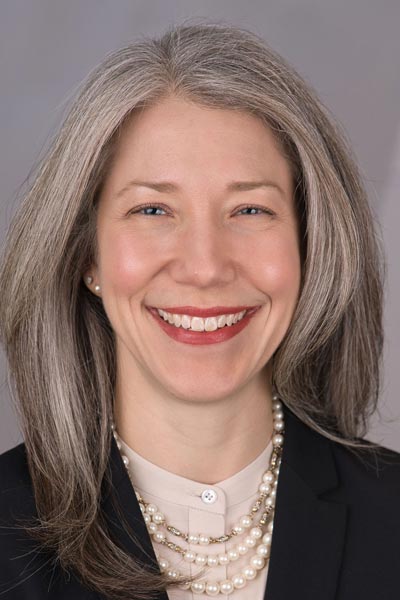
“Medicare continues to pay us at a rate that is below the rate of inflation,” said Amanda Myers, MD, FACR, Chair of the ACR Government Affairs Committee. “Adjusted for inflation in the costs of running a practice, Medicare pays physicians 30% less than they did 25 years ago.”
As a result of a Physician Fee Schedule that hasn’t kept pace with inflation, some rheumatology practices have had to shutter their doors.
“As practices close, patients are stranded without care. Any patients or patient advocates who are attending ACR Convergence will want to attend this session,” Dr. Myers said.
She will address the role of volunteers in advocacy efforts, including RheumPAC, the ACR’s nonpartisan political action committee (PAC), which is observing its 20th anniversary this year. Kaitlyn Brittan, MD, RheumPAC Chair, will serve as session moderator.
“In the past year in particular, RheumPAC directed donations to support both challengers and rheumatology champions. We’re not only advocating for our patients and our practices, we’re also trying to help place those legislators who are going to be able to effect the change we need to see,” Dr. Myers said. “We’re getting into the strategy now, which is very exciting.”
A separate session, Building Bridges to Better Care: Advocacy and Legislative Updates in Pediatrics, will focus on advocacy efforts on behalf of pediatric patients in general and children and adolescents living with rheumatic disease. McDaniel and Susan Fressly, MD, FAAP, of the American Academy of Pediatrics, will be the featured speakers in the session beginning at 3 p.m. Sunday, November 8, in Room W311A-D.
Feedback Welcome
Monday’s Rheumatology on the Hill session is one of two dedicated opportunities that day for ACR and ARP members to provide feedback on policy work.
“We’ve reserved over half of the session for questions and answers because we want to hear from our members,” McDaniel said. “We need to understand what’s happening in their practices, in academic areas, in research that we’re not addressing. We certainly do take the opportunity to share with them what we’re working on, and then we take the opportunity to say, ‘What else is going on? What haven’t we done?’”
The Networking Lounge will also host a forum for attendees to share their advocacy, practice, and policy priorities with the Government Affairs Committee on Monday at 10:30 a.m.
“Tell us what we should be working on,” McDaniel said. “We would love to hear from you.”

WATCH SESSIONS ON DEMAND
Select sessions presented at ACR Convergence 2026 are available for on-demand viewing by registered participants through September 30, 2027. For a full list of the scientific sessions recordings that are available, click on the On Demand icon in the meeting app.