
Clinical trials can improve patient care, diversify revenue, and boost a private practice’s profile, but the process of getting started can seem unclear or intimidating. During the session Clinical Trials: Behind the Scenes and Practical Pearls for Private Practices, two experts shared insights on what it takes to launch and sustain clinical trials in a private practice.
A recording of the session will be available to registered participants of ACR Convergence 2026 for on-demand viewing.
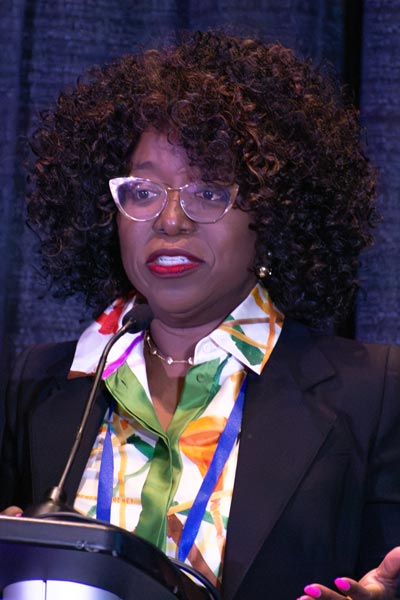
Arinola Dada, MD, FACR, Founder and CEO of Overlake Arthritis and Osteoporosis Center, discussed how to set up a clinical trial program from scratch. She emphasized that gaining experience can open doors to running your own clinical trials and outlined four ways to gain that experience: joining an established site, pre-screening for a partner site, partnering with a site management organization (SMO) or network, and networking intentionally.
Site leader careers typically start with a role as a sub-investigator. This is a time for learning about good clinical practice, consent, visits, and monitoring under an experienced principal investigator (PI), Dr. Dada explained. From there, you can lead your first PI study, usually an observational, registry, or phase 4 trial. After building a track record, you can become an interventional PI for phase 2 and 3 studies.
“When you’re ready for your own site, make sure you have enough patients that you can fund a coordinator and that you have enough space,” Dr. Dada said. “And then you have to protect your PI time.”
Taking on the role of a PI involves many responsibilities, including personal oversight of safety, eligibility, patient relationships and recruitment, sponsor and contract research organization (CRO) relationships, and coordinator hiring. However, Dr. Dada noted that PIs can outsource budget and contract negotiations, sponsor billing and collections, Institutional Review Board (IRB) submissions, and query support during busy periods.

Tien-I Karleen Su, MD, Founder of the Rheumatology Private Practice Alliance (RPPA), former Chair of the ACR’s Independent Practice Subcommittee (IPSC), and Co-Founder of Amicus Arthritis & Osteoporosis Center in California, discussed maintaining a successful clinical trial program in private practice.
“You should run your trial site as a business,” Dr. Su said. “Even if you’re working with the SMO, treat it and look at it like a business, like your clinic.”
The business side of clinical trials matters because sites routinely face financial pressures, including upfront cash-flow gaps, under-negotiated budgets, unbilled protocol items, and delayed accounts receivable.
The clinical site model being used also directly affects finances and operations, Dr. Su pointed out. For instance, when working with an SMO, you must split overhead costs. When evaluating an SMO, physicians should assess what share of the budget the SMO keeps, as well as how overhead is defined and split. It is also necessary to determine whether the SMO staffing supports PI oversight, assists with sponsor audits and U.S. Food and Drug Administration (FDA) inspections, and what happens if you part ways.
When running a clinical trial program, it’s important to understand the negotiating leverage private practices bring to the table, Dr. Su noted. This includes rapid activation, eligible patients already in the clinic, proven track records, a central IRB, and an on-site PI. To avoid under-negotiated budgets, PIs must account for every operational expense. Sponsor budgets should cover both predictable per-patient clinical costs and the hidden administrative work required to run the trial.
PIs should also negotiate payment terms, including start-up fees, screen-failure ratios, payment timelines, payments if the study ends early, and overhead percentages, Dr. Su explained.
To maintain a successful clinical trial program, private practices need to keep attracting sponsors. Dr. Su identified the following factors that encourage sponsors to return: high enrollment, quick feasibility responses, prompt site selection and initiation visit scheduling, and fast contract turnarounds. Quality work also keeps private practices on the sponsors list and includes keeping signed consents up to date, closing queries quickly, conducting visits within the specified window, and minimizing deviations, she said.

WATCH SESSIONS ON DEMAND
Select sessions presented at ACR Convergence 2026 are available for on-demand viewing by registered participants through September 30, 2027. For a full list of the scientific sessions recordings that are available, click on the On Demand icon in the meeting app.