



Daily News
-
MACRA looks here to stay, so clinics need to be ready
Alex Limanni, MD, Rheumatologist at the Arthritis Centers of Texas in Dallas, explained the outcome measures that determine a MIPS score, which is based on a 100-point scale.
-
Journey to Erdheim-Chester diagnosis described in detail
At this year’s Clinicopathologic Conference, a team of four physicians from the National Institutes of Health and George Washington University presented a case study of a rare inflammatory disease and the series of imaging and pathology tests they conducted to finally arrive at a diagnosis.
-
Curbside Consults offers glimpse into trio of rare diseases
A popular feature of the Annual Meeting, the Curbside Consults: Ask the Professors session this year featured three professors addressing some rare and difficult-to-diagnose diseases they have treated.
-
Rheumatology Research Foundation honors award recipients
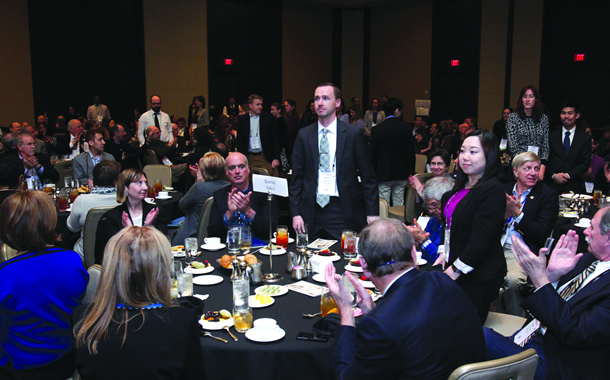
Rheumatology Research Foundation President Eric Matteson, MD, MPH, recognized 175 award recipients on Monday at the Foundation’s Annual Awards Luncheon.
-
Dubois honoree studies environmental role in SLE risk
Karen H. Costenbader, MD, MPH, Associate Professor of Medicine at Harvard Medical School and Associate Physician and Director of the Lupus Program at Brigham and Women’s Hospital, Boston, will shed light on how genetic and environmental factors interact in the development of SLE.
-

ACR leadership to be confirmed by the membership on Tuesday
You’re invited to attend the American College of Rheumatology (ACR) annual business meeting, where the installation of the 80th ACR President, Sharad Lakhanpal, MBBS, MD, will take place.
-
Expansion of ULT may improve gout care
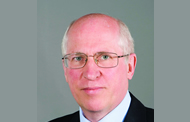
“The current treatment is far from optimal,” said Michael Doherty, FRCP, MA, MD, professor of rheumatology at the University of Nottingham in the United Kingdom. “Gout is the only curable chronic arthritis, so why is this curable condition just not being cured?”
-
Biosimilars offer therapeutic management options, but come with challenges regarding safety, efficacy
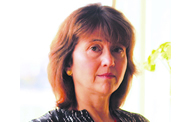
Candida Fratazzi, MD, the president of BBCR Consulting in Cambridge, Massachusetts, who will speak during Emerging Biosimilars in Therapeutic Management: Where We Are and What Is in the Future.
-

Psoriatic arthritis management makes strides
“It is quite an exciting time for psoriatic arthritis because we are getting new drugs that are specific for this disease,” said Laura C. Coates, MBChB, PhD, National Institute for Health Research Clinical Lecturer in Rheumatology at the University of Leeds, United Kingdom.
-

Lack of diagnostic definitions represents major obstacle to treating sarcopenia in rheumatic disease
A Wednesday ARHP session will provide an update on sarcopenia research, diagnosis, and treatment, with a focus on the development of criteria that could be applied universally to help identify the issue that can have serious implications on patient well-being and everyday life.