

In 2024, the ACR submitted a letter to the U.S. House Committee on Ways and Means Health Subcommittee in response to the subcommittee hearing, The Collapse of Private Practice: Examining the Challenges Facing Independent Medicine. The ACR’s response illuminated issues many private practices are facing, including inadequate reimbursement for Medicare physicians, burdensome prior authorization policies, and the growing shortage of physicians in the workforce.
The organization’s advocacy efforts continue, and a new pre-conference practice management program can help rheumatology professionals optimize their private and community practices through these challenging times.
The inaugural Practice Innovation Summit, hosted Friday and Saturday, October 24–25, in Chicago, will offer a timely and pragmatic exploration for rheumatology professionals seeking to build smarter, stronger, and financially sustainable practices. The two-day event was designed for clinicians, practice managers, and interprofessional team members in community and private practice settings to disseminate actionable strategies and expert insights to build a successful private practice in an ever-evolving healthcare industry.
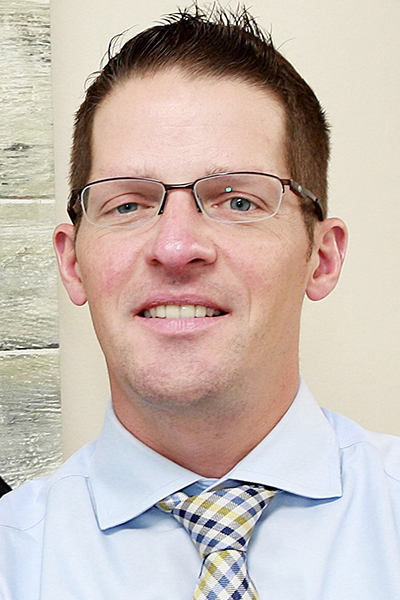
“We know it can be difficult for attendees to dedicate their time at ACR Convergence to these issues, so we hope to offer a compact pre-conference program that will be high yield for private practitioners,” said Chris Phillips, MD, Chair for the ACR Committee on Rheumatologic Care and founder of Paducah Rheumatology in Kentucky.
The syllabus for the two-day program is available now.
Participants will learn to develop and implement a rheumatology infusion program by utilizing essential operational workflows and how to improve patient care during infusion therapy by enhancing patient flow and comfort.
The curriculum will additionally cover an array of financial considerations, including billing and reimbursement strategies for ancillary services to enhance fiscal sustainability, and identifying ancillary revenue opportunities, as well as negotiating and managing insurance contracts using data-driven approaches to secure favorable terms and prepare for value-based and risk-based payment models.

“To be an independent private practice, you have to be able to run a business successfully, or you won’t have doors open to take care of patients.“
— Chris Phillips, MD

“We don’t like to think of what we do as a business because it can seem to depersonalize the work or make us sound greedy, but the fact of the matter is that to be an independent private practice, you have to be able to run a business successfully, or you won’t have doors open to take care of patients,” Dr. Phillips said.
The wide-ranging program will also cover critical workforce considerations, like integrating new team members efficiently by designing workflows that incorporate advanced practice providers (APPs) and new physicians into patient care models.
Dr. Phillips added that networking will also serve a critical function at the Summit.
“I hope that when people leave, they feel like they’re part of a community,” he said. “By bringing together folks who are struggling with the same issues, looking for solutions, the two days won’t just be about listening to the speakers, it will also hopefully spark a lot of discussions, brainstorming, and ideas that attendees build together to help everybody run their business successfully and provide patients the best possible care.”
Practice Innovation Summit participants are not required to register for ACR Convergence 2025 to attend, but those who don’t will lose access to the conference at the conclusion of programming on Saturday.
Select Practice Innovation Summit sessions will be available on demand after ACR Convergence to registered Summit attendees until October 31, 2026.

JOIN US IN ORLANDO
If you haven’t registered for ACR Convergence 2026, register today to participate in this year’s premier rheumatology experience, November 6–11 in Orlando, Florida. All registered participants receive on-demand access to scientific sessions after the meeting through September 30, 2027.