



Poster Presenter: Ana Valle, MD, MHS, Rheumatology Fellow, Brigham and Women’s Hospital
Poster Title: The Performance of Rule-Based Algorithms to Identify Patients With Idiopathic Inflammatory Myopathies in Electronic Health Records
Poster Session A: 10:30 a.m.–12:30 p.m. on Sunday, October 26
What is your poster about?
“We compared the performance of eight previously published billing code-based algorithms using electronic health record data at our multihospital institution, Mass General Brigham, to identify cases of idiopathic inflammatory myopathies (IIM, also known as myositis). The algorithms applied were successful in other countries and with administrative claims data. The algorithms considered the number of times a myositis billing code was mentioned within a certain period (such as within two months or one year) and what type of physician reported the code. We applied these algorithms to a cohort enriched for possible myositis (meaning they had at least one billing code for myositis). From this group, we randomly chose 250 patients, and we applied the 2017 EULAR/ACR Classification Criteria as our gold standard. The two best performing algorithms were: 1) two or more myositis billing codes in the outpatient setting occurring within two months and 2) two or more myositis billing codes between 30 and 365 days. Both algorithms had a positive predictive value (the likelihood that an algorithm identifies cases of myositis that are considered true cases based on the 2017 EULAR/ACR Classification Criteria) of 65%.
“The algorithms did not perform as well as we had hoped, which may be due to differences in the population we studied them in compared to the original validation studies and challenges mapping older billing codes (ICD-9 codes) to newer ones (ICD-10 codes). However, this study is the first comprehensive evaluation of multiple previously published billing code-based algorithms for myositis in U.S.-based electronic health records. This study is also important because it compares algorithms that include multiple myositis subtypes (dermatomyositis, polymyositis, inclusion body myositis) to the current gold standard of the 2017 EULAR/ACR Classification Criteria.”
Why did you decide to investigate this topic?
“Through the years, myositis research has been hampered by the rarity of these conditions. Myositis is not as prevalent as some other rheumatic conditions, but the impact it has on individuals is life-changing and often devastating. We can only improve these outcomes if we assemble robust cohorts of patients that correctly identify patients who have these conditions. Understanding how well we can identify patients with myositis with the current algorithms available is the first step toward developing large cohorts, which may be replicated in different health systems to increase the power of our studies.”
What are you working on next related to this research?
“We are currently attempting to develop a machine-learning algorithm to identify probable and definite cases of myositis, including dermatomyositis, polymyositis, and inclusion body myositis, based on the 2017 EULAR/ACR Classification Criteria. Our next goal is to create a machine-learning algorithm with a positive predictive value above 80% that can be portable to other institutions. My ultimate goal is to develop a registry of IIM patients at Mass General Brigham, and this work will allow us to correctly identify the patients with these conditions to include.”
What excites you most about your work?
“Myositis are conditions with many opportunities for clinical research to improve the lives of patients. We have seen so many other rheumatic conditions, like rheumatoid arthritis and lupus, that have previously been perceived as untreatable transition to manageable chronic conditions. Learning about myositis phenotypes, prognostic markers, and treatment will hopefully allow myositis to make a similar transition.”
What are you most looking forward to at ACR Convergence 2025 in Chicago?
“I have been interested in rheumatology since medical school, so I am proud to say that ACR Convergence 2025 in Chicago will be my seventh ACR Convergence! As a seasoned ACR attendee, I look forward to seeing my mentors from medical school, residency, and other outside institutions who have become personal friends and role models. I enjoy networking with my generation of rheumatologists and seeing the work my peers are doing across the globe. Usually, my ACR Convergence schedule alternates between educational sessions and new research presentations. Thus, for me, ACR’s annual meeting is truly a convergence of my personal life, clinical research interests, and learning as both a fellow and clinical investigator.”
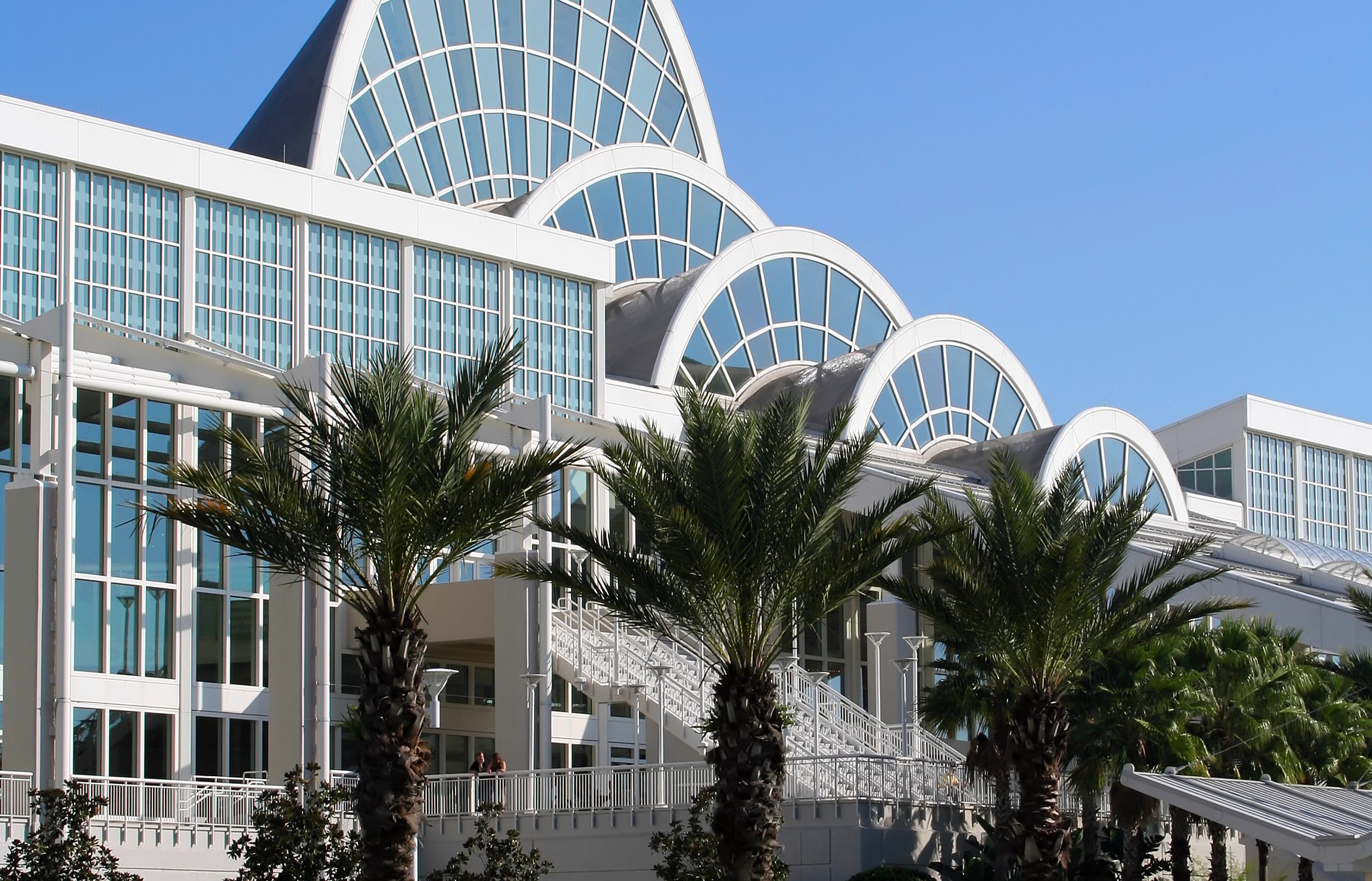
JOIN US IN ORLANDO
If you haven’t registered for ACR Convergence 2026, register today to participate in this year’s premier rheumatology experience, November 6–11 in Orlando, Florida. All registered participants receive on-demand access to scientific sessions after the meeting through October 31, 2027.