

The Basic Science program at ACR Convergence 2025 offers critical updates and insights for rheumatology specialists, leveraging timely research on rheumatologic diseases and their underlying mechanisms.
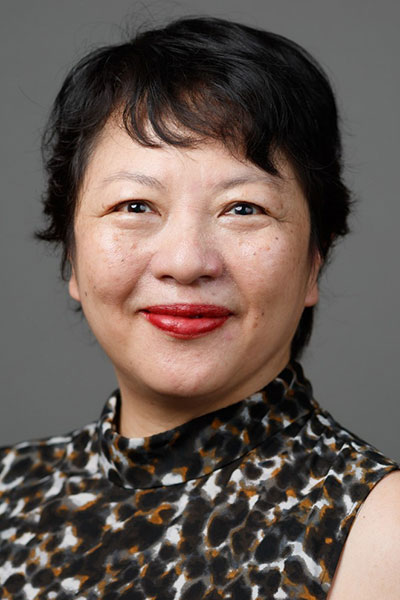
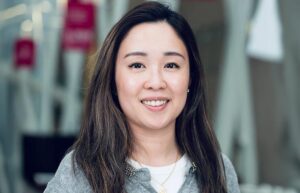
“We want to make each session exciting and thought-provoking for clinicians and researchers in our ACR audience,” said the Chair of the Basic Science Team for the Annual Meeting Planning Committee (AMPC), Theresa Lu, MD, PhD, who holds the St. Giles Chair for Research in the Hospital for Special Surgery (HSS) Research Institute and is Professor of Microbiology and Immunology and Professor of Pediatrics at Weill Cornell Medicine and faculty member in pediatric and adult rheumatology at HSS. “The Basic Science program will show what we’re capable of now, and also where we’re going in the future.”
For those looking toward the future, experts will discuss and debate which B cell subsets are pathologic in autoimmunity and how specialists can selectively target them during the scientific session Driving CAR-T into the Future: What Are the Right B Cell Targets in Systemic Lupus Erythematosus and Beyond? at 10:30 a.m. on Sunday, October 26.
“In lupus, B cells are thought to be pathogenic players in part because they express autoantibodies that cause inflammation and because they stimulate pathogenic T cells,” Dr. Lu explained. “So, the question in the field is, ‘What type of B cells are the key pathogenic cells to target?’”
Dr. Lu expounded that new technologies allow researchers to target specific types of B cells with chimeric antigen receptor (CAR) T cells and bispecific engagers. Session leaders will debate the identity and markers of B cells that should be targeted in autoimmune disease.
Another significant Sunday session, It’s Not All in Your Head: Neuroimmune Mechanisms of Pain, begins at 3 p.m. According to Dr. Lu, interactions within the immune system that cause pain have traditionally been poorly understood. This session will analyze new discoveries in the mechanisms of pain, including the important role the immune system plays in modulating the pain associated with inflammation.
Old Dog, New Tricks: Regulation of Autoinflammation and Autoimmunity Informed by Inborn Errors of Immunity, 1 p.m. on Monday, October 27, will examine how pinpointing the genetic cause for immune dysregulation not only allows a specific diagnosis but enables researchers to dissect the mechanisms that lead to alterations in seemingly distinct parts of the immune system. This data offers informative insights about basic immunologic processes and can help tailor therapeutic approaches to care.
“This session displays how we can take lessons learned from outside of our field and translate them to develop a deeper understanding within our areas of focus,” Dr. Lu said.
A session on new discoveries about mechanisms of osteoporosis will be of wide interest. Women Have a Bone to Pick: Hormonal Regulation of Osteoporosis begins at 10 a.m. on Tuesday, October 28. Osteoporosis is a major problem that is worsened by inflammatory diseases. This session will explore new insights into bone health and the impact of senolytic therapy on bone metabolism.
Another session of interest will delve into new insights related to the mechanisms and effects of long COVID. Mechanisms of Brain Fog: Lifting the Veil on Neuroinflammation in Long COVID is slated for 10 a.m. on Wednesday, October 29.
Recent findings suggest that fibrinogen deposits in the lungs and brains of patients with SARS-CoV-2 infection correlate with disease severity and predict cognitive deficits of long COVID. In SARS-CoV-2 infection, the transposon-derived isoform of IFNAR2 is highly expressed and functions as a decoy receptor that inhibits interferon signaling. This suggests the pathway may be dysregulated in autoimmunity and could be a novel therapeutic target for autoinflammatory disease.
“For years, no one has really been able to pinpoint what’s going on with long COVID,” Dr. Lu said. “These presentations should be great because we’ll get to learn something about COVID, and probably about some other diseases as well, since our rheumatologic diseases often resemble viral infections.”
The complete list of ACR Convergence 2025 Basic Science track sessions can be found in the online program.
Additional Basic Science Sessions
Sunday, October 26
- Bullseye! What’s the Target for T Cell-Targeted Therapies?, 9–10 a.m.
- Potential Mechanisms of IgG4-Related Disease: A JCR-ACR Session, 9–10 a.m.
- Energizing Immunity: How Mitochondria Contribute to Inflammation in Lupus and Photosensitivity, 9–10 a.m.
- Immune-Metabolite Axis: How Microbial and Host Byproducts Drive Inflammation, 10:30–11:30 a.m.
- Give Us Strength: Mechanistic Insights into Myositis, 1–2 p.m.
- We Are Not Getting Any Younger: Regulating Immune Responses During Inflammation and Aging, 1–2:30 p.m.
- What’s in a Name? Defining Pathogenic Fibroblasts in Systemic Sclerosis, 2:30–3:30 p.m.
- Ebbs and Flow: Endothelial Alterations in Systemic Sclerosis, 4–5 p.m.
Monday, October 27
- Flushing the Joint: Using Lymphatic Drainage to Control Synovial Inflammation, 8:30–9:30 a.m.
- From Omics to Action: Redefining the Immune Landscape in RA Joint, 10–11:30 a.m.
- Through the Looking Glass: Insights into the Pathogenesis of Autoimmune Uveitis, 10:30–11:30 a.m.
- Skeletal Stem Cells as Therapeutic Targets in Osteoarthritis, 1–2 p.m.
- Untangling the Granulomatous Web of Sarcoidosis, 2:30–3:30 p.m.
- Tiny Tenants, Big Influence: Microbial Regulation of Host Immunity, 4:15–5:15 p.m.
- Sticks and Stones: Cellular and Molecular Mechanisms of Inflammatory Bone Loss, 4:15–5:15 p.m.
Tuesday, October 28
- The Good, the Bad, and the Ugly: Understanding Mechanisms of Adverse Events After Immune Checkpoint Therapy, 8:30–9:30 a.m.
- Bypassing the ‘Toll’ Booth: NIAID-Supported Insights into Alternative Nucleic Acid Sensing in Autoimmunity, 10–11:30 a.m.
- Beyond NETs: Alternative Roles of Neutrophils in Spondyloarthritis, 1–2 p.m.
- Tissue Is the Issue: How Kidney Physiology Impacts Immunity, 1–2 p.m.
- Bringing Sexy Back: Sex Hormone Modulation of Immune Responses in Autoimmunity, 2:30–3:30 p.m.
- Stressed Out! The Role of Cellular Stress in Autoimmune Disease, 4–5 p.m.
Wednesday, October 29
- Innovations in Interstitial Lung Disease: Cellular Mechanisms and Translational Applications in Lung Fibrosis, 8:30–9:30 a.m.
- Decoding Sjögren’s Disease: Adaptive Immunity Driving Pathogenesis, 10–11 a.m.
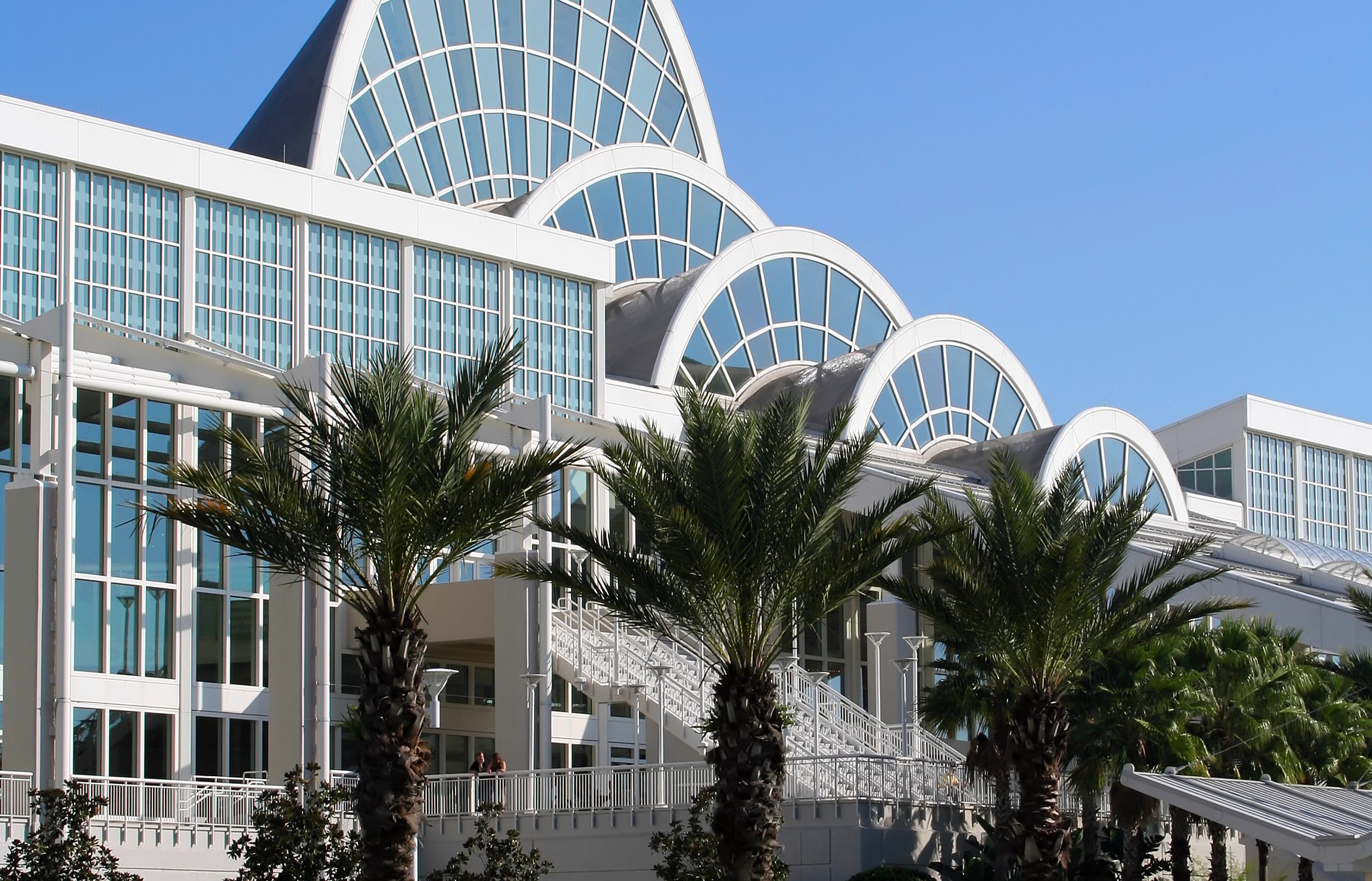
JOIN US IN ORLANDO
If you haven’t registered for ACR Convergence 2026, register today to participate in this year’s premier rheumatology experience, November 6–11 in Orlando, Florida. All registered participants receive on-demand access to scientific sessions after the meeting through September 30, 2027.