
“Whether we are in academia or private practice, whether we work in a large system or a small practice, the reality is that we work in an industry,” said Priya Reddy, MD, FACR. “We must understand the dynamics of this industry, how it operates, how it sustains itself, and how it sustains us as providers of rheumatology care so that we can keep the doors open, advocate for our patients, and deliver optimal care.”
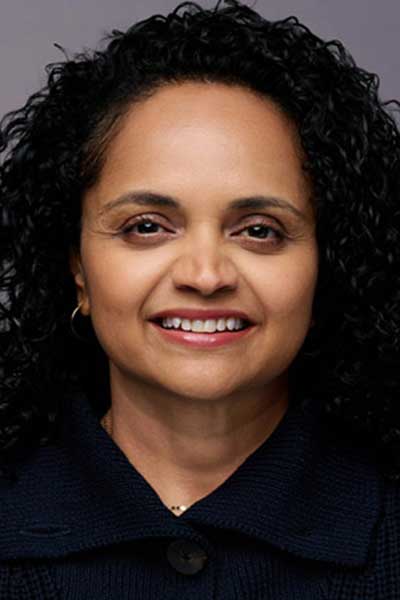
To help rheumatologists reach these goals, Dr. Reddy, Chair of the Business of Rheumatology Team for the Annual Meeting Planning Committee (AMPC) for ACR Convergence 2025, has helped create a wide lineup of Business of Rheumatology sessions to take place over three days of conference programming.
Dr. Reddy, Rheumatologist at AARA-Southwest Florida Rheumatology and Faculty and Curriculum Coordinator for Brandon Regional Hospital Residency Program, University of South Florida, said all 10 of the planned sessions will draw on real-world experience.
he Great AI Debate: Unlocking Potential or Unleashing Chaos?, 8:30 a.m. on Monday, October 27, will present pro and con arguments for the effectiveness of artificial intelligence (AI) in routine clinical tasks such as drafting prior authorization requests, writing medical appeal letters, and generating patient-friendly education materials in different languages.
Two clinicians who have set up and run a direct patient care model will share their lessons learned and discuss the advantages and disadvantages of this approach at 4 p.m. on Sunday, October 26, in Reimagine Your Practice: The Direct Patient Care Model.
In Rx for Better Outcomes: In-Office Infusions and Dispensing Using an Integrated Clinical Team, 10 a.m. on Monday, a pharmacist and a rheumatologist will discuss the results of integrating a pharmacologist into a clinical rheumatology team.
“These are case studies from real life, from folks who have actually done this,” Dr. Reddy said.
Three Business of Rheumatology sessions will focus on new developments affecting essential aspects of practice.
MIPS and MVPs: What Clinicians Need to Know for 2026 and Beyond, 2:30 p.m. on Sunday, will guide attendees through the reimbursement models for the 2026 Merit-based Incentive Payment System (MIPS) and MIPS Value Pathways (MVPs) essential to Centers for Medicare and Medicaid Services (CMS) and Quality Payment Program (QPP) options, as well as how the ACR Rheumatology Informatics System for Effectiveness (RISE) registry platform can be applied to reduce administrative tasks related to these payments.
Essential updates to the RISE platform will be covered in depth at RISE Rollout: New Features, What to Expect, and Future Directions with the New Platform, 1 p.m. on Tuesday, October 28, which includes interactive demonstrations of features such as population metrics at the clinic level, performance measures, and the MIPS dashboard.
The networking format of the session, Work Smarter, Not Harder: Hacks for Different Electronic Medical Records to Optimize Your Rheumatology Practice, 8:30 a.m. on Tuesday, will feature tips from speakers followed by a short panel discussion.
The remaining four sessions in the Business of Rheumatology program offer overviews of the “bread and butter” of running a rheumatology practice, Dr. Reddy said.
These include:
- The nuts and bolts of essential financial management, Practice Pulse: Tracking the Financial Health of Your Clinic, 9 a.m. on Sunday;
- Helping patients discover and choose a clinic, Stand Out in the Crowd: Branding Your Practice for Success, 10:30 a.m. on Sunday;
- Laying the foundations of success for a clinic, Starting a Rheumatology Practice: Tips to De-Mystify and De-Intimidate the Process, 1 p.m. on Sunday;
- How to ensure productive and ethical relationships with pharmaceutical representatives, Pharmaceutical Industry: Friend or Foe?, 1 p.m. on Monday.
While these four sessions are designed for new clinicians, Dr. Reddy noted that these — and all other sessions — draw on recent innovations from actual practice and present information for a much wider audience.
“Business of Rheumatology sessions are not only for people practicing rheumatology in the community, they are for everyone in the field interested in understanding or studying how good financial health and innovations can lead to better healthcare delivery,” Dr. Reddy said. “I think there is something here for everyone.”
If you’re unable to attend the full conference or are interested in additional business of rheumatology content, space is still available for the Practice Innovation Summit, taking place October 24–25 before the meeting officially kicks off.
Don’t Miss a Session
If you weren’t able to make it to a live session during ACR Convergence 2025 — or you want to revisit a session from the annual meeting — make plans to watch the replay. All registered participants receive on-demand access to scientific sessions after the meeting through October 31, 2026.