

The ACR’s 2015 Workforce Study of Rheumatology Specialists in the United States projected that, by 2030, the supply of rheumatology clinical providers is expected to decline by more than 25% from 2015 baseline levels. The report forecasts that demand for rheumatologic care, however, will exceed supply by 4,133 full-time equivalent (FTE) providers, or 102%.

These numbers underscore the need for rheumatology care teams to optimize the allocation of their time, resources, and energy to provide patients with the optimal treatment and avoid staff burnout. On Tuesday, October 28, from 10–11:30 a.m., in Room W185A-D of McCormick Place, ACR Convergence 2025 will host Rheumatology Workforce Solutions: Primary Care Resources, Referral Triage Tactics, and Smarter Screening Strategies.
“Every practice will need an overarching patient access strategy and the tactics to implement it. We’re not going to hire ourselves out of this situation,” said Jayanth Doss, MD, MPH, Associate Professor of Medicine, and Clinical Vice Chief of the Division of Rheumatology at the Duke University School of Medicine.
Dr. Doss will present several strategies to improve triaging referrals to rheumatology, ensuring that patients who require care the most urgently can be seen and treated in a timely fashion. He highlighted patient e-consults as a tactic that can benefit patients and care providers. The primary benefit of e-consults is that patients can have their patient charts reviewed by a rheumatologist before their in-person appointment.
“E-consults let the rheumatologist make some suggestions about potential diagnostic testing, such as lab orders or imaging studies, and in some cases, therapeutic recommendations can be made before the patient comes into the clinic,” Dr. Doss explained. “So, by the time the patient comes in to see the rheumatologist, a lot of the required medical work-up is already in hand, which is very convenient.”
Dr. Doss added that referral reviews while processing e-consults can also lead to expedited appointments for patients who require accelerated care.

Pankti Reid, MD, MPH, Assistant Professor of Medicine at the University of Chicago, will spotlight Rheumatology for Primary Care, an online resource developed by the ACR to provide primary care professionals and other care providers with the tools to manage a patient’s medical workup, labs and diagnostics, early treatment, medications, and referrals to a rheumatology specialist. This will be especially pertinent to primary care providers in areas with sparse rheumatologic services or a lack of them. More than 1,000 users visited the site within a week of its launch.
“The website is primarily meant to provide quick, accessible resources for primary care clinicians,” Dr. Reid explained. “It can also be helpful for medicine trainees who are new to rheumatology and patient care. I’ve had several residents and medical students tell me they found the website helpful for getting initial evaluation started and appreciating which medications and management approaches to consider for patients with an established diagnosis of rheumatic disease.”
Dr. Reid will guide session attendees through some of the website’s capabilities and navigation in real time, highlighting how users can leverage its resources to enact practical solutions to assist patients. According to Dr. Reid, the site is a “living document” and will be regularly updated to remain continuously relevant for users.
“We are very open to feedback through our feedback link and have plans for a dedicated and sustainable way that we can make sure to update the website regularly as there are new developments in rheumatology. For example, when new research emerges and novel medications are approved,” Dr. Reid said.
Another strategy to lighten the burden on rheumatology teams is to educate and empower patients to effectively manage their own health journeys, making them more proficient at maintaining their health and, ideally, avoiding exacerbations that require professional care. A simple way to enhance self-management is to encourage the use of wearable technology and patient-reported outcomes (PROs).
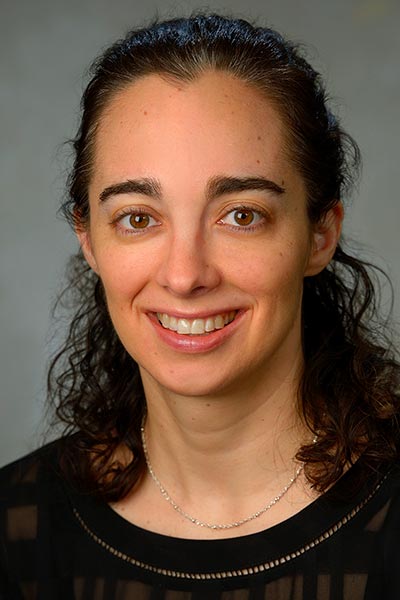
“PROs can tell us about what’s going on in a patient’s life more broadly and illuminate factors that might be contributing to their conditions,” explained Alexis Ogdie, MD, MSCE, Associate Professor of Medicine and Epidemiology at the University of Pennsylvania Perelman School of Medicine. “For example, anxiety and depression can interfere with therapeutic outcomes for patients with inflammatory arthritis. Having anxiety is also associated with more phone calls to the practice. If we can identify the patients struggling with these conditions, we can have conversations to help them, which can also lead to fewer phone calls or messages to the practice.”
On-demand access to recorded presentations will be available to registered attendees of ACR Convergence following the annual meeting through October 31, 2026.

JOIN US IN ORLANDO
If you haven’t registered for ACR Convergence 2026, register today to participate in this year’s premier rheumatology experience, November 6–11 in Orlando, Florida. All registered participants receive on-demand access to scientific sessions after the meeting through September 30, 2027.