Rheumatology professionals will gather in Chicago this October to share the latest scientific innovations and developments in clinical care for people living with rheumatic disease.
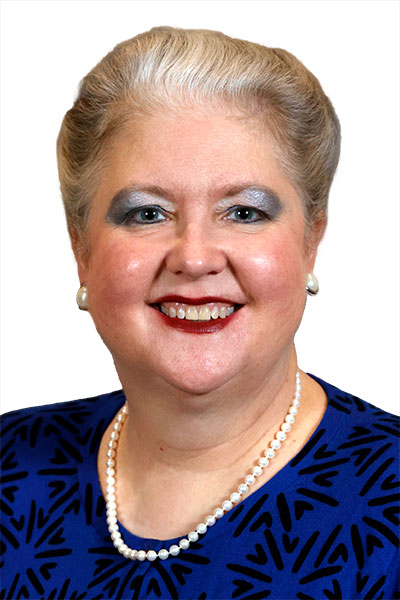
“ACR Convergence brings all of us together as a rheumatology community,” said ACR President Carol A. Langford, MD, MHS. “Now more than ever, sharing and supporting the importance of research and scientific discovery toward advances that benefit our patients is essential.”
Dr. Langford is director of the Center for Vasculitis Care and Research within the Department of Rheumatic and Immunologic Diseases at the Cleveland Clinic, where she is also a Professor of Medicine, Cleveland Clinic Lerner College of Medicine of Case Western Reserve University School of Medicine, and the Harold C. Schott endowed chair in Rheumatic and Immunologic Diseases.
The year’s premier rheumatology conference will take place October 24–29 at McCormick Place. Registration for the meeting is underway now, with two options for in-person attendance, both of which include on-demand access to scientific session recordings following the meeting, through October 31, 2026.
Everyone who participates in the care of people living with rheumatic disease is encouraged to attend.
“ACR Convergence has something to offer anyone involved in rheumatology, from trainees to emeritus professors, practicing clinicians to scientists in the lab, rheumatology professionals, and students considering a future in our exciting field,” Dr. Langford said.
Presidential Program Highlights
“The Annual Meeting Planning Committee (AMPC) has put together a fantastic program, including core sessions on common and rare rheumatic diseases, clinical and basic science, the business of rheumatology, and sessions for pediatric rheumatologists and rheumatology professionals,” Dr. Langford continued. “There are also sessions on topics of recent interest to the rheumatology community, including CAR-T (chimeric antigen receptor T-cell) and other cellular therapies, artificial intelligence (AI), immune-related adverse events, and the impact of GLP-1 (glucagon-like peptide-1) agonists in rheumatology.”
Learning begins with several pre-conference offerings, some of which require a separate fee, including an exciting new program, the Practice Innovation Summit on October 24–25, that includes sessions covering important topics for running a successful rheumatology practice.
“This is so important right now as we face workforce issues in rheumatology in ensuring that our practice community has all of the tools that they need to thrive and succeed,” Dr. Langford noted.
She listed several other high-interest sessions in the program.
“I always look forward to the Opening Session (at 4 p.m. Saturday, October 25), when the ACR presents its Awards of Distinction with the opportunity to celebrate those who have contributed to our field,” Dr. Langford said. “This year’s invited speaker is Dr. Tait Shanafelt, Chief Wellness Officer at Stanford University and a thought leader in health professional well-being, burnout, and its impact on patient quality of care. This is an important topic in medicine and rheumatology.
“The year-in-review and plenary sessions remain ‘must-attends’ in my book,” she continued. “This year’s memorial lectures include a great slate of speakers. Another important session to put on your schedule will be the presentation of the 2025 ACR Guidelines for the Treatment of Extrarenal Systemic Lupus Erythematosus (9 a.m. Sunday, October 26).
“As a vasculitis-focused rheumatologist, I am looking forward to Great Debate: Giant Cell Arteritis: Ultrasound vs. Biopsy (10 a.m. Tuesday, October 28). I am also excited about The Great AI Debate: Unleashing Chaos or Unlocking Potential? (8:30 a.m. Monday, October 27),” Dr. Langford noted. “As a physician who sees the potential of AI but who also advocates strongly for the importance of the caregiver-patient relationship, I am interested to hear different perspectives about the future of AI in rheumatology.”
Maximize Your Meeting Experience
While scientific sessions are at the core of the ACR Convergence experience, Dr. Langford advises new and returning attendees to take advantage of the multitude of other learning and networking spaces that will be available in Chicago during the meeting.
“There is a lot to take in with ACR Convergence. Feel free to dive in, and don’t feel rushed or overwhelmed, as most sessions will be available to you on demand if you miss something,” she pointed out and offered the following tips for first-time attendees.
- Look at the program in advance and choose sessions that interest you or that you would like to learn more about.
- Visit the Poster Hall, meet the presenters, and consider a poster tour. The Poster Hall will be open 8:30 a.m.–4 p.m. daily, October 26–28, with poster tours offered 10:30 a.m.–12:30 p.m. Poster tours are free but are available on a first-come, first-served basis.
- Consider adding a Meet the Professor session to hear more from an expert about a specific topic in a small group setting. Seating is limited at these sessions, which require a separate fee. Purchasing an ACR Convergence meeting pass is required to add a Meet the Professor session.
- Be sure to visit the Networking Lounges, which will be open from 8 a.m.–6 p.m. daily, October 26-28.
For those who are returning to ACR Convergence, Dr. Langford also highlighted the opportunity to learn and connect with peers in a new way.
“Attend sessions that you want to learn more about, but also try attending different sessions than what you might normally go to,” Dr. Langford advised. “Stop by a trainee’s poster and ask them about their work. Your interest and encouragement support them and the future of our field.”
Importantly, all attendees should prioritize networking and camaraderie.
“Don’t forget the fun,” Dr. Langford said. “Meet up with mentors, past trainees, colleagues, and friends and catch up. ACR Convergence is exactly as its name states—it is the place where rheumatology gathers together, not only for knowledge, but also to keep our community connected.”
And the Windy City is a welcoming backdrop for all of these activities to take place.
“Located along the shores of Lake Michigan, Chicago is an exciting and dynamic city that has tremendous culture, food, and art,” Dr. Langford said. “Chicago also has some of the most amazing architecture to be found in the United States. I look forward to finding some time to stroll down Michigan Avenue and see the Cloud Gate, the Water Tower, while enjoying some Chicago pizza and shopping.”
Nurturing the Future of Rheumatology
“Rheumatology is a rapidly advancing field where discoveries are improving the lives of our patients,” she said. “In addition to our rapidly evolving science, rheumatology provides the ability to develop long-standing patient relationships. Nothing is more professionally rewarding than seeing your patients improve and be able to achieve their personal goals. Knowing that the future of rheumatology holds the ability for those goals to occur more assuredly across the spectrum of rheumatic disease is very exciting.
“ACR Convergence represents our opportunity to celebrate every facet of rheumatology—and its promising future. Please join us in Chicago for ACR Convergence 2025!”
Don’t Miss a Session
If you weren’t able to make it to a live session during ACR Convergence 2025 — or you want to revisit a session from the annual meeting — make plans to watch the replay. All registered participants receive on-demand access to scientific sessions after the meeting through October 31, 2026.