
The Association of Rheumatology Professionals (ARP) represents over 25 unique disciplines across the allied health professional spectrum. Therefore, the challenge for the ARP Team for the Annual Meeting Planning Committee (AMPC) at ACR Convergence is to identify areas of greatest need for its diverse membership base.
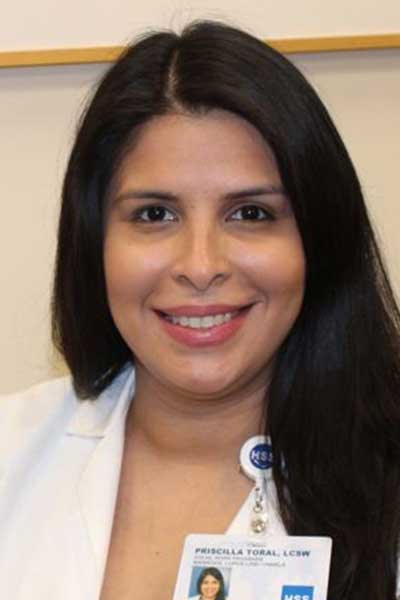
“We’ve been gathering feedback from our ARP constituents and members about what they wanted to see represented in the programming,” said Priscilla Calvache, LCSW, Director, Department of Social Work Programs at the Hospital for Special Surgery, and Chair of the ARP Team for the AMPC. “We take their feedback very seriously and prioritize intentionally curating the ACR Convergence program to meet the needs of the diverse constituents that we serve.”
According to Mrs. Calvache, many ARP constituents voiced a growing interest in learning more about lifestyle medicine for managing rheumatic conditions and diseases. This year’s ARP Keynote Address – Social Prescriptions: Leveraging Connections for Better Health, 1:30 p.m. on Sunday, October 26, will illustrate that healthcare extends beyond the bounds of tests and medications. Keynote speaker Heidi Prather, DO, Attending Physiatrist at the Hospital for Special Surgery, will explore the science of lifestyle medicine, emphasizing how evidence-based interventions such as tailored nutrition education, mental health assessment and optimization, physical activity, and tapping into community connections and purpose can be powerful clinical tools in managing rheumatic diseases and enhancing overall patient well-being in the clinical setting.
“This session underscores the importance of patient-centered care that addresses the full spectrum of human experience,” Mrs. Calvache explained. “A growing body of research affirms that purposeful, service-oriented engagement not only enriches emotional well-being, but can also play a meaningful role in mitigating the progression and impact of chronic diseases.”
The ARP Distinguished Lecture, It Takes a Village: Co-Creating Health Interventions Through Collaborative Research and Community Empowerment, will be led by Susan Murphy, OT, ScD, Professor in the Physical Medicine and Rehabilitation Department and the Rheumatology Division at the University of Michigan. At 8:30 a.m. on Tuesday, October 28, she will present her groundbreaking research into the transformative potential of patient- and community-centered healthcare interventions, challenging traditional top-down treatment approaches and demonstrating how collaborative, participatory research can reshape the care community’s collective understanding of health management.
“What stands out in Dr. Murphy’s work is the compelling case she makes for meaningfully integrating the patient perspective into both research and clinical practice,” Mrs. Calvache noted.
Those interested in further exploring alternative rheumatologic treatments should clear their calendars for 8:30 a.m. on Wednesday, October 29, for the scientific session, Complementary and Alternative Medicine: Its Role and Impact. Attendees will gain an understanding of how therapies such as Ayurveda healing, yoga, acupuncture, and herbal remedies can complement conventional treatments for diseases like rheumatoid arthritis (RA), osteoarthritis (OA), and spondyloarthritis.
“We received a significant number of requests for sessions addressing cognitive function and mental health within the context of rheumatic disease,” Mrs. Calvache shared. “In response, we are committed to offering evidence-based tools and practical strategies that support mental well-being, an essential focus given the elevated risk of depression and related challenges among individuals living with rheumatic conditions.”
Cutting Through the Fog: Understanding Cognitive Dysfunction in Rheumatic Diseases, beginning at 10 a.m. on Tuesday, October 28, will cover epidemiological and qualitative data highlighting the prevalence and impact of cognitive dysfunction among patients with rheumatic diseases. A critical focus will be on practical strategies for managing cognitive dysfunction, including cognitive rehabilitation, lifestyle modifications, compensatory strategies, and psychological support. This session will also feature a patient partner as co-moderator, illuminating vital insights and lived experiences related to these struggles while living with a rheumatic disease.
Mental Health: Innovative and Scalable Treatment Approaches, 10 a.m. on Monday, October 27, will cover similar ground: the comorbid mental health problems common among patients with rheumatologic and musculoskeletal diseases and conditions that often go unaddressed, primarily due to limited resources. An international, interprofessional panel will discuss novel telehealth and remote intervention strategies to address the psychological health burden among rheumatologic patients, as well as present institutional, clinical, research, and educational interventions and strategies that may help address these mental health challenges.
This year’s Daltroy Memorial Lecture, Breaking the Silence: Empowering Patient/Provider Conversations on Sex and Intimacy in Rheumatic Conditions, 8:30 a.m. on Monday, will focus on the often-overlooked aspect of sexual health and intimacy for patients with rheumatic diseases.
“This session is especially important because sex and intimacy are often treated as peripheral or taboo topics in clinical settings,” said Mrs. Calvache. “Yet, for patients living with conditions like lupus or those on immunosuppressive therapies, these issues have direct implications for reproductive health, personal relationships, and quality of life. We want to empower clinicians to approach these conversations with confidence, compassion, and clinical competence.”
Designed to move beyond discomfort and silence, this session will offer actionable strategies for initiating and sustaining patient-centered discussions about sexual health. Attendees will gain practical tools to dismantle stigma, address culturally sensitive concerns, and embed reproductive and sexual health considerations into routine rheumatologic care, ultimately fostering more holistic, humanized, and equitable patient-provider relationships.
At 9 a.m. on Sunday, the first ARP Year in Review: Updates in Rehabilitation, Advanced Practice, and Epidemiology in Rheumatology will highlight critical recent advances in advanced practice, epidemiology, and rehabilitation science.
“We’ll highlight several key publications in rheumatology that inform clinical practice, enhance patient care, and raise awareness of critical issues in the field,” Ms. Calvache said.
The complete list of ACR Convergence 2025 ARP sessions can be found in the online program.
Additional ARP Track Sessions
Saturday, October 25
- Radiology Bootcamp, 1–3 p.m.
Sunday, October 26
- Juvenile Dermatomyositis: Updates in Current Medical, Physical, and Occupational Therapy Treatment, 9–10:30 a.m.
- Recognizing Grief and Depression: Why It Matters in Patients with Rheumatic Diseases, 9–10:30 a.m.
- Innovative Support Group Models: Leveraging Technology to Enhance Patient Engagement and Quality of Life, 2:45–3:45 p.m.
- Stats Bootcamp 1: How to Choose the Right Statistical Analysis for Your Research, 2:45–3:45 p.m.
- High-Intensity Training in Rheumatology: Impacts on Cardiovascular Health, Physical Function, and Immune Response, 2:45–3:45 p.m.
- Designing Stronger Clinical Trials: Choosing the Best Comparator for Impactful Results, 4–5 p.m.
- Implementing Social Determinants of Health Screening and Intervention in Rheumatology: Strategies for Equitable Care, 4–5 p.m.
Monday, October 27
- Advancing Musculoskeletal Health: Building a Holistic Educational Ecosystem Through Evidence-Based Interventions and Community Engagement, 10–11:30 a.m.
- Myositis: The Interprofessional Approach, 10–11:30 a.m.
- Sarcoidosis: Secrets and Pearls for Non-Pulmonary Manifestations, 1–2 p.m.
- Improving Participation in Clinical Trials Among Underrepresented Populations, 1–2 p.m.
- POTS: Postural Tachycardia Syndrome or Is It?, 1–2 p.m.
- Supporting Work, Supporting Health: Helping People with Rheumatic Conditions Stay Employed, 2:30–3:30 p.m.
- Immunology Boot Camp 1: Basic Principles, 2:30–3:30 p.m.
- Breaking Barriers: Advancing LGBTQIA+ Inclusion in Rheumatology Practice and Research, 2:45–3:45 p.m.
- Improving Health Literacy and Communication in Rheumatic Disease Patients, 4–5 p.m.
- Stats Bootcamp 2: Methods for Analyzing Groupings That Cannot Be Directly Observed and Measured: An Introduction to Latent Structures and Latent Variable Models, 4–5 p.m.
Tuesday, October 28
- Differential Diagnosis of the Shoulder, Including Inflammatory and Musculoskeletal Diagnoses, 10:30–11:30 a.m.
- Enhancing Shared Decision Making in Rheumatic Disease Management, 10–11:30 a.m.
- Onboarding and Integrating Advanced Practice Providers into Rheumatology Practices in Private, Hospital, and Academic Environments, 10–11:30 a.m.
- Pharmacology Update: What’s New for 2025, 1–2 p.m.
- Making Sense of Machine Learning: How to Read, Interpret, and Apply New Research, 1–2 p.m.
- From Nice to Necessary: Involving Patients as Essential Members of Your Research Team, 2:30–3:30 p.m.
- Immunology Boot Camp II: Applying Principles to Practice, 2:30–3:30 p.m.
- Translating Research into Care: Effectively Disseminating Research Findings to Patients, 4–5 p.m.
- Boosting Impact in Rheumatology: Emerging Trends and Future Directions in Implementation Science, 4–5 p.m.
Wednesday, October 29
- Heat, Ice, or Electrical Device: Do They Have a Role in the Management of Osteoarthritis and Rheumatoid Arthritis?, 10–11 a.m.
Don’t Miss a Session
If you weren’t able to make it to a live session during ACR Convergence 2025 — or you want to revisit a session from the annual meeting — make plans to watch the replay. All registered participants receive on-demand access to scientific sessions after the meeting through October 31, 2026.