

The day before the start of scientific sessions at ACR Convergence 2025 in Chicago, the Basic and Clinical Research Conference (BCRC) will examine the intersection of immunology and oncology and how new modalities like immunotherapies and cell therapy are being used in the clinical setting.
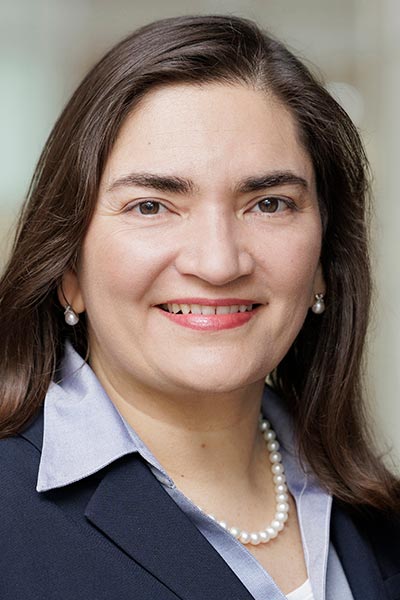
“Immunotherapy, in various forms, has become a standard of care procedure and standard care modality for patients with cancer, and it turns out that there are some very interesting overlaps that could also apply to an audience of expert clinical rheumatologists,” said BCRC Co-Chair Marcela Maus, MD, PhD, Professor of Medicine at Harvard Medical School, the Paula O’Keefe Chair in Oncology and Director of Cellular Immunotherapy at The Krantz Family Center for Cancer Research, Massachusetts General Hospital (MGH), and Attending Physician in the Hematopoietic Cell Transplant and Cell Therapy Division of Oncology at MGH. “We’re learning a lot from each other, and so this is an opportunity to think about it from both a scientific, mechanistic perspective, as well as a clinical management and clinical research perspective.”
The BCRC, 8 a.m.–3:30 p.m. on Saturday, October 25, is organized into three sessions following a keynote address by Georg Schett, MD, Vice President of Research, Uniklinikum Erlangen, Friedrich-Alexander-Universität Erlangen-Nürnberg, Germany. Dr. Schett will discuss his potentially paradigm-shifting work using chimeric antigen receptor (CAR) T cells to modulate the B cell compartment.
“It’s not about low-level suppression of the immune system forever. It’s more like an immune reset,” Dr. Maus said. “We’re talking chemotherapy, we’re talking CAR-T, we’re talking elimination of the B-cell compartment. It’s not making a completely new immune system. This is a soft reset of the adaptive immune system B cells and T cells.”
In Session I: irAEs and Agonism of Immune Checkpoints to Treat Autoimmune Disease, speakers will address the myriad ways rheumatologists interact with immune checkpoint molecules, including immune-related adverse events (irAEs), PD-1 agonism as a treatment strategy across autoimmune diseases, and the pathogenesis of autoimmune diseases.
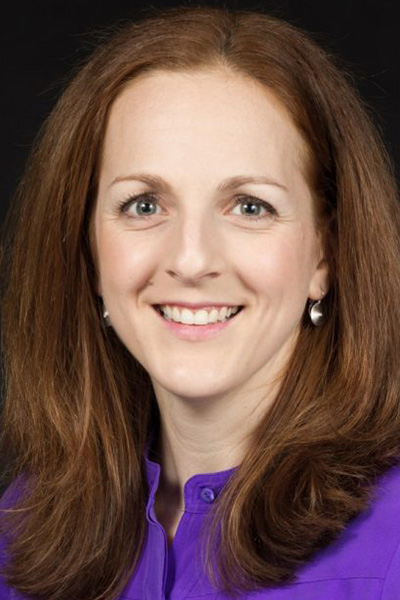
“We know from genetic studies and functional studies that molecules like PD-1 and CTLA-4 are important for the pathogenesis of different autoimmune diseases such as rheumatoid arthritis, lupus, and many others,” said BCRC Co-Chair Laura Cappelli, MD, Associate Professor of Medicine and Oncology at the Johns Hopkins University School of Medicine, Division of Rheumatology, and a faculty member of the Johns Hopkins Arthritis Center.
In Session II: CAR-T and Beyond: Cellular Therapies in Autoimmune Disease, presenters will focus on how to leverage new therapeutics and overcome the operational challenges that come with them.
Oncologists are using many drugs that have been developed to treat autoimmune disorders to manage toxicities in patients with cancer whose treatment includes modalities such as checkpoint blockade, CAR-T cell therapy, or bispecifics that manifest as cytokine release syndrome.
“When we unleash the brakes of the immune system, we start to see autoimmune kind of disease,” Dr. Maus said. “Or when we engineer the immune system and put an accelerator into it, we start to see various toxicities that we then have to clean up and figure out how to manage.”
The BCRC will conclude with Session III: Designing and Executing Clinical Trials: irAEs and CAR-T for Autoimmunity and an examination of the collaboration needed to balance the competing goals of multidisciplinary teams.
“These fields require different kinds of expertise to be able to execute successful clinical trials,” Dr. Cappelli said. “For example, in irAEs, all the patients have cancer and they’re undergoing immune checkpoint inhibitor therapy, so the oncologists need to be involved and be on board with any immunomodulating strategies. But in terms of the outcomes, their assessment, and how you design the trial to know whether treatments are effective for irAEs, it’s key for rheumatologists to be involved. The question is, how do we work together to design these trials?”
A hematologist and oncologist, Dr. Maus will discuss how these fields can grow together with rheumatology.
“There’s more and more cross-fertilization between therapeutics that we use in oncology patients and potential application in patients with autoimmune disease and vice versa,” Dr. Maus said. “We’re using a lot of therapeutics that have been developed for patients with autoimmune disease to manage toxicities in patients with cancer. The holy grail in immunology has been to try to be able to control the dial of revving up the immune system and trying to stop the immune system. Ideally, we do it in a very specific way, but even as far as we’ve come, many of our tools are not as finely tuned as we would like.”
The BCRC is geared toward a broad audience of ACR Convergence attendees.
“This conference is inclusive, and the topics covered are relatively expansive, so it’s not required to have a PhD or a lot of background in basic science to understand what’s going on at the conference or to benefit from attending,” Dr. Cappelli said. “We encourage anybody who has an interest in these topics, be they clinical researchers, epidemiologists, basic science researchers, or any other type of researchers, to attend because I think there’s something for everybody. It’s always a better session when there are people of different backgrounds in the room.”
On-demand access to recorded BCRC presentations will be available to registered attendees of an ACR Convergence All-Access pass following the annual meeting through October 31, 2026.
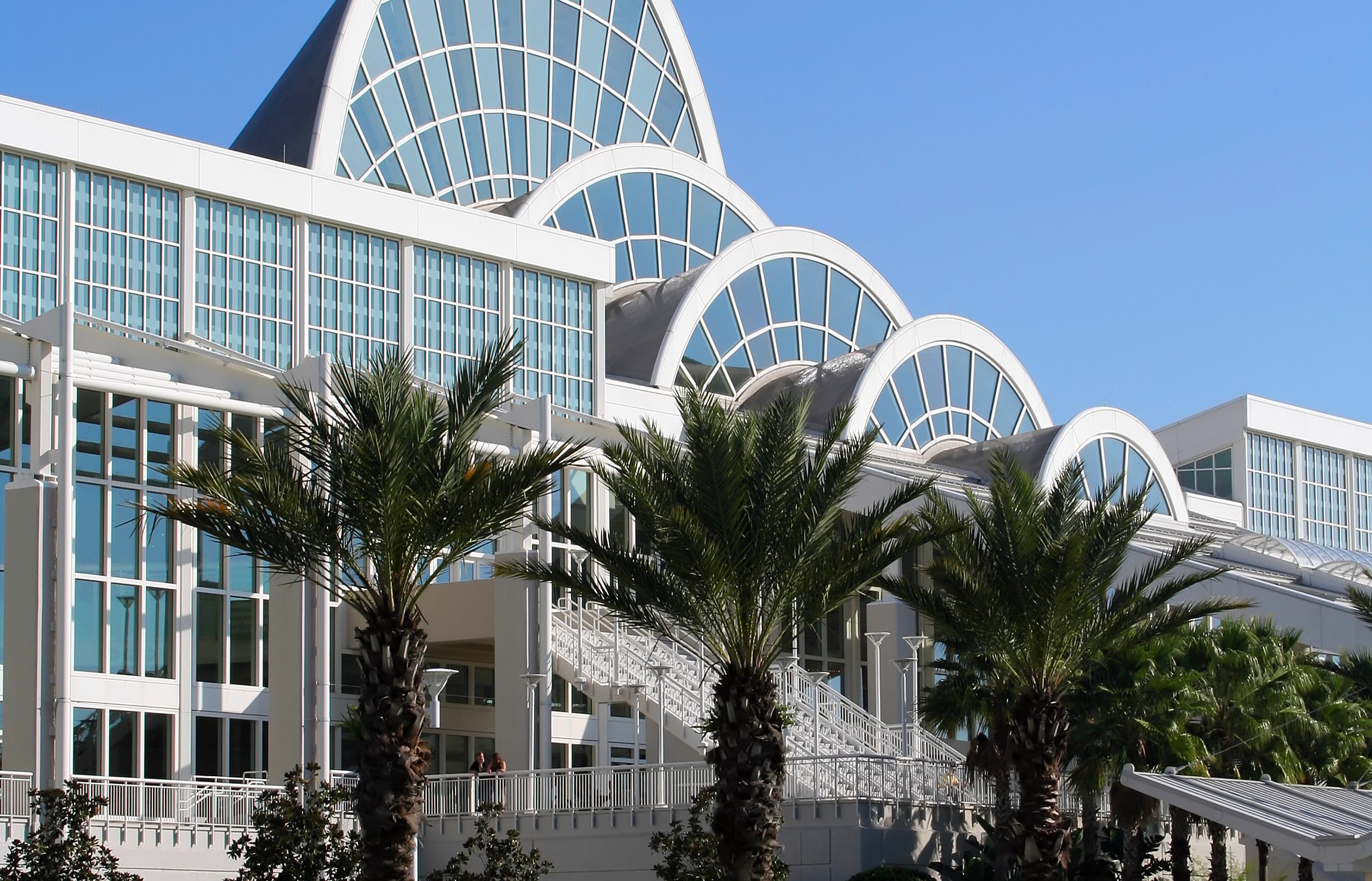
JOIN US IN ORLANDO
If you haven’t registered for ACR Convergence 2026, register today to participate in this year’s premier rheumatology experience, November 6–11 in Orlando, Florida. All registered participants receive on-demand access to scientific sessions after the meeting through October 31, 2027.