


Daily News
-
Advocacy experts to update members
ACR Government Affairs Committee Chair William F. Harvey, MD, MSc, a rheumatologist practicing at Tufts Medical Center in Boston, MA, said the symposium will bring the membership up-to-date on the most pressing legislative and regulatory issues affecting the specialty.
-
Skin disorders can provide window into diagnosis
An ARHP session this afternoon will help practitioners recognize how the skin can serve as an early warning system for rheumatological diseases.
-
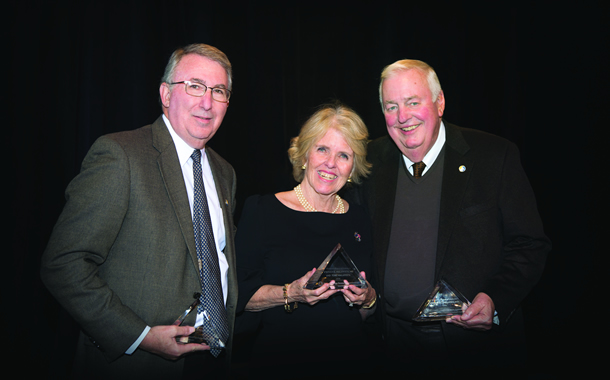
Donors of Merit recognized at annual Foundation event
On Saturday evening, nearly 150 of the Rheumatology Research Foundation’s largest supporters gathered at the St. Regis Washington, DC, for the Donors of Merit recognition dinner. This annual event honors those who contributed to the Foundation throughout the year.
-

Injury-avoidance efforts help patients have positive feelings about exercise
An ACR/ARHP combined clinical symposium on Monday morning will come at exercise from two different angles: Treating recreational athletes who go at it little too hard, and encouraging patients with chronic rheumatic diseases to incorporate physical activity into their treatment.
-
Foundation Clinician Scholar Educator Award winners to share their keys to improve doctor training
The session will include presentations by Rheumatology Research Foundation Clinician Scholar Educator Award winners, including Bernadette Siaton, MD, who will present “Development of a Web-based Rheumatology Curriculum.”
-

Anti-NGF trials show promise in treating pain
Among the scheduled presentations, Tony Yaksh, PhD, Professor of Anesthesiology and Pharmacology at the University of California, San Diego, will describe the basic mechanisms of pain pathways in the context of arthritis and joint pain.
-

Meet the 2016 International Visiting Fellows
In a collaboration designed to encourage professional relationships between junior and senior rheumatologists, and promote rheumatology around the globe, the ACR, the Indian Rheumatology Association (IRA), and the Pan American League of Associations for Rheumatology (PANLAR) have partnered to support the International Visiting Fellows Exchange…
-
Tocilizumab shows promise as a new treatment for GCA, PMR
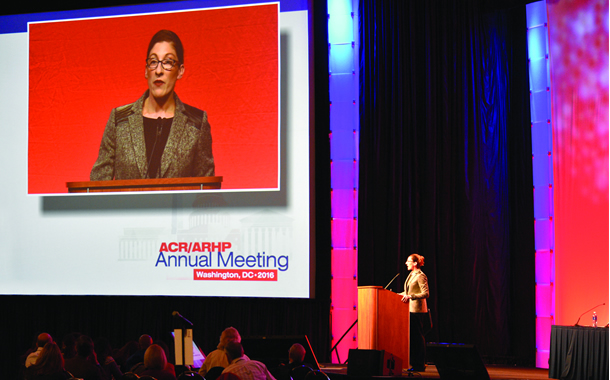
Saturday’s “A Guide to Navigating the Waters of Giant Cell Arteritis and Polymyalgia Rheumatica” session with Rebecca Manno, MD, MHS, included a look at the potential use of tocilizumab, which the FDA has given a breakthrough therapy designation for these conditions.
-
Treat-to-target still preferred RA approach
“I think there’s room for further data and evidence, but in general, I think we use this in our patients for the benefits of joint preservation, enhancing work productivity, improving quality of life, and enhancing the probability of remission,” said John M. Davis, MD, MS.
-
Cell-based therapies offer new OA hope
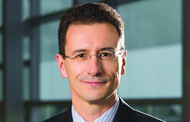
Autologous chondrocyte implantation (ACI) is routinely used in some surgical centers. ACI is the only cell-based therapy approved by the Food and Drug Administration for cartilage repair routinely covered by both public and private insurance plans, said Andreas Gomoll, MD.