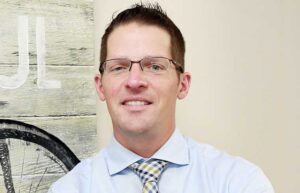



Poster Presenter: Jessica Dai, BS, Medical Student, New York University Grossman School of Medicine
Poster Title: Clinical Features of Elderly-Onset Systemic Lupus Erythematosus
Poster Session C: 10:30 a.m.–12:30 p.m. on Tuesday, October 28
What is your poster about?
“Systemic lupus erythematosus (SLE) is a complex autoimmune disease that most commonly affects women of reproductive age, with significantly fewer cases diagnosed in individuals aged 60 and older. As a result, elderly-onset SLE (≥60 years) remains poorly understood, with limited data available on how it presents and is diagnosed in this population. Our poster explores the clinical presentation and diagnostic patterns of elderly-onset SLE within a large, multi-racial cohort of 1,141 patients. We identified distinct differences in disease manifestations in elderly-onset SLE compared to those diagnosed <60 years of age, including lower rates of arthritis, malar rash, and lupus nephritis. We also examined how elderly patients were diagnosed, highlighting that nearly half were diagnosed during hospitalization, often after presenting with severe or unrelated symptoms.”
Why did you decide to investigate this topic?
“SLE is classically viewed as a disease of young women, and much of our current understanding — including diagnostic criteria and treatment guidelines — has been shaped by studies focused on this population. However, older adults often present with more subtle or atypical symptoms, which can make diagnosis more challenging and increase the risk of delayed or missed diagnoses. Despite this, elderly patients remain underrepresented in lupus research, leaving major gaps in our understanding of how the disease manifests and progresses later in life. A better understanding of elderly-onset SLE could improve recognition and lead to more timely, targeted care in this vulnerable population.”
What are you working on next related to this research?
“We are focused on longitudinal outcomes in SLE, with particular attention to those with elderly-onset disease. We plan to leverage data collected from over a thousand patients in the NYU Lupus Cohort of patients to compare SLICC damage, treatment patterns, autoantibody profiles, and survival between age groups to identify potential differences that could influence disease expression and prognosis.”
What excites you most about your work?
“Classic presentations of SLE — such as malar rash, arthritis, and nephritis — are rare in older patients, challenging long-standing assumptions about the disease’s clinical profile. Recent findings highlight the critical need for age-inclusive research to capture the full spectrum of SLE manifestations. With ongoing advances in clinical characterization and data analysis, there is an opportunity to develop improved diagnostic strategies tailored for older adults.”
What are you most looking forward to at ACR Convergence 2025 in Chicago?
“I am excited to learn about the latest advances in rheumatology and engage with peers and experts.”

JOIN US IN ORLANDO
If you haven’t registered for ACR Convergence 2026, register today to participate in this year’s premier rheumatology experience, November 6–11 in Orlando, Florida. All registered participants receive on-demand access to scientific sessions after the meeting through October 31, 2027.