
Antiphospholipid syndrome (APS) is a systemic autoimmune disorder that develops in people with persistent antiphospholipid antibodies (aPL). The risk of large-vessel clotting means most patients with APS must take blood thinners. Although these medications help prevent new blood clots, such as deep vein thromboses, pulmonary emboli, and strokes, they do little for the subgroup of aPL-positive patients with microvascular APS (MAPS), which involves the small vessels.
During Microvascular Antiphospholipid Syndrome (APS): Present Challenges and Future Opportunities, a pair of experts will discuss the clinical manifestations, diagnostic considerations, management strategies, and future research opportunities for patients with MAPS. The session will be held on Monday, November 9, from 2:30–3:30 p.m., in Room W415A of the Orange County Convention Center. A recording of the session will be available to registered participants of ACR Convergence 2026 for on-demand viewing.
MAPS can present acutely or chronically, with the latter sometimes having a smoldering course. Acute forms include diffuse alveolar hemorrhage, in which the lungs bleed, and acute aPL-nephropathy (renal thrombotic microangiopathy), in which microvascular clotting causes kidney failure. Antiphospholipid-antibody nephropathy can also present as a chronic and smoldering manifestation of MAPS.
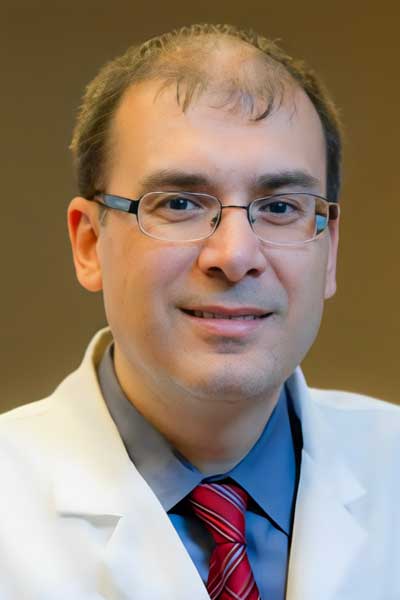
Doruk Erkan, MD, MPH, Attending Rheumatologist, Hospital for Special Surgery, and Professor of Medicine, Weill Cornell Medical College in New York, will cover the challenges of MAPS diagnosis, the prognostic significance of MAPS in aPL-positive patients, and current management strategies.
“Diagnosis can be delayed when physicians do not appreciate the full spectrum of APS, though that is beginning to improve,” Dr. Erkan said. “But now we must ensure that these diagnosed patients are adequately treated.”
Patients with MAPS often receive drugs such as corticosteroids, hydroxychloroquine, mycophenolate mofetil, and rituximab, mostly based on case reports and limited preclinical evidence.
“Unlike patients with APS, with moderate-to-large vessel involvement, patients with MAPS require a treatment strategy beyond anticoagulation. In parallel to our increased understanding of aPL-mediated mechanisms, we have been increasingly using and testing immunosuppression in microvascular APS,” Dr. Erkan said.
These medications sometimes fail to fully mitigate the local, self-amplifying cascade that drives many microvascular manifestations. However, emerging disease mechanisms may offer better therapeutic targets.
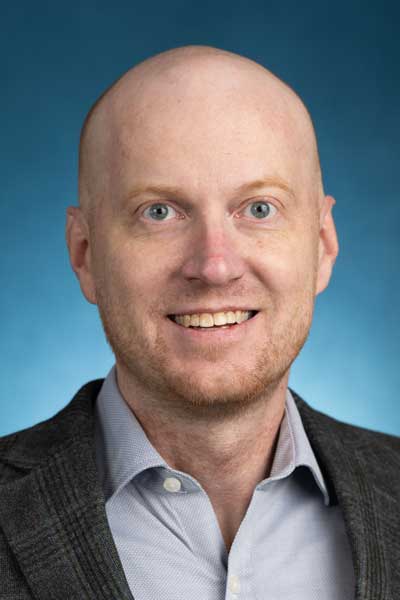
Jason S. Knight, MD, PhD, Professor of Internal Medicine, University of Michigan Medical School, will cover potential therapies of the future based on new mechanisms.
“Some of the acute forms of MAPS may respond to strategies like complement inhibition,” Dr. Knight said. “On the chronic side, medications with antiproliferative and antifibrotic properties, like mTOR inhibitors or SGLT2 inhibitors, are agents to watch. I’ll explain some of the mechanistic data we have that suggest that these types of therapies could be helpful.”
Dr. Knight also believes next-generation B-cell-targeting approaches could eventually help with APS. He noted that antibodies measured in the blood of patients with APS are not merely disease markers, but drivers of pathogenesis.
“If we could eliminate these antibodies, for example, with agents that target plasma cells, I think you could argue that we are finally treating APS at its most upstream source,” Dr. Knight said.
Both Drs. Erkan and Knight agreed that those with MAPS have one of the greatest unmet needs among individuals living with APS. Monday’s session will provide insights into managing patients with MAPS and a glimpse into the future of APS research.

THERE’S STILL TIME TO JOIN US
If you haven’t registered for ACR Convergence 2026, you can still register on-site at the Orange County Convention Center in Orlando, Florida, through November 11. All registered participants receive on-demand access to scientific sessions through September 30, 2027.