


Enhancing lymphatic flow can help reduce synovial inflammation in conditions like rheumatoid arthritis (RA); however, dysfunction in the synovial lymphatic system can cause arthritic flare and accelerate disease progression, according to Edward Schwarz, PhD, the Burton Professor of Orthopaedics and Director of the Center for Musculoskeletal Research at the University of Rochester Medical Center in New York.
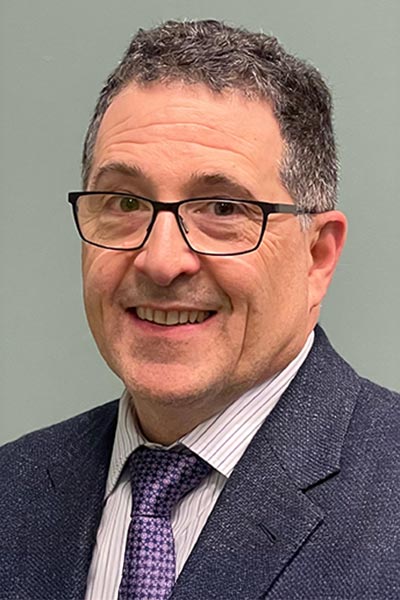
In a state-of-the-art lecture at ACR Convergence 2025, Dr. Schwarz will review current knowledge of the synovial lymphatic system and the cellular and molecular mechanisms that impact arthritis progression, including discoveries in his lab that are unlocking the science behind joint drainage, immune regulation, and chronic inflammation.
Dr. Schwarz will deliver his lecture, “The Synovial Lymphatic System and Its Dysfunction in Arthritic Progression,” during the session Flushing the Joint: Using Lymphatic Drainage to Control Synovial Inflammation, which will be held from 8:30–9:30 a.m. on Monday, October 27, in Room W181A-C of McCormick Place.
“Traditional RA research has focused almost entirely on the influx of inflammatory cells via the blood,” Dr. Schwarz said. “The other side of the equation is the egress of cells and fluid through the synovial lymphatic system, and dysfunction here results in impaired drainage and joint effusion. That fluid backs up and clogs the system, leading to joint damage and accelerated disease progression.”
Using novel in vivo imaging techniques developed in his lab, Dr. Schwarz and his colleagues explored the mechanics of lymphatic flow, examining lymphatic vessel contractility, cellular composition, and extracellular matrix structure in healthy versus arthritic states.
Once active, lymphatic vessels contract rhythmically in response to intraluminal shear stress from lymph flow within, he said, but how resting vessels become active in response to joint inflammation is unknown.
“Mast cells, traditionally viewed as pro-inflammatory, are required for vessel contraction, and telocytes — newly identified mesenchymal cells adjacent to lymphatic vessels — are integrated into peri-lymphatic vessel mast cells, where they act as pacemakers and signal conduits between inflamed synovium and collecting lymphatic vessels,” Dr. Schwarz said.
Together, mast cells and telocytes form a functional network that senses joint inflammation and drives lymphatic contractions, he noted. Their loss both disables drainage and promotes pathogenic fibroblast transformation. Current research is looking at whether collateral lymphatic vessels, normally suppressed during inflammation, can be pharmacologically reopened to restore drainage.
“Our findings redefine RA pathogenesis as an inflammatory disorder that includes impaired lymphatic clearance, rather than solely unrestrained immune influx,” Dr. Schwarz said. “Preservation of telocytes, restoration of lymphatic contractility, and therapeutic activation of collateral drainage pathways represent novel strategies to prevent progression and joint damage in RA.”
On-demand access to recorded presentations will be available to registered attendees of ACR Convergence following the annual meeting through October 31, 2026.
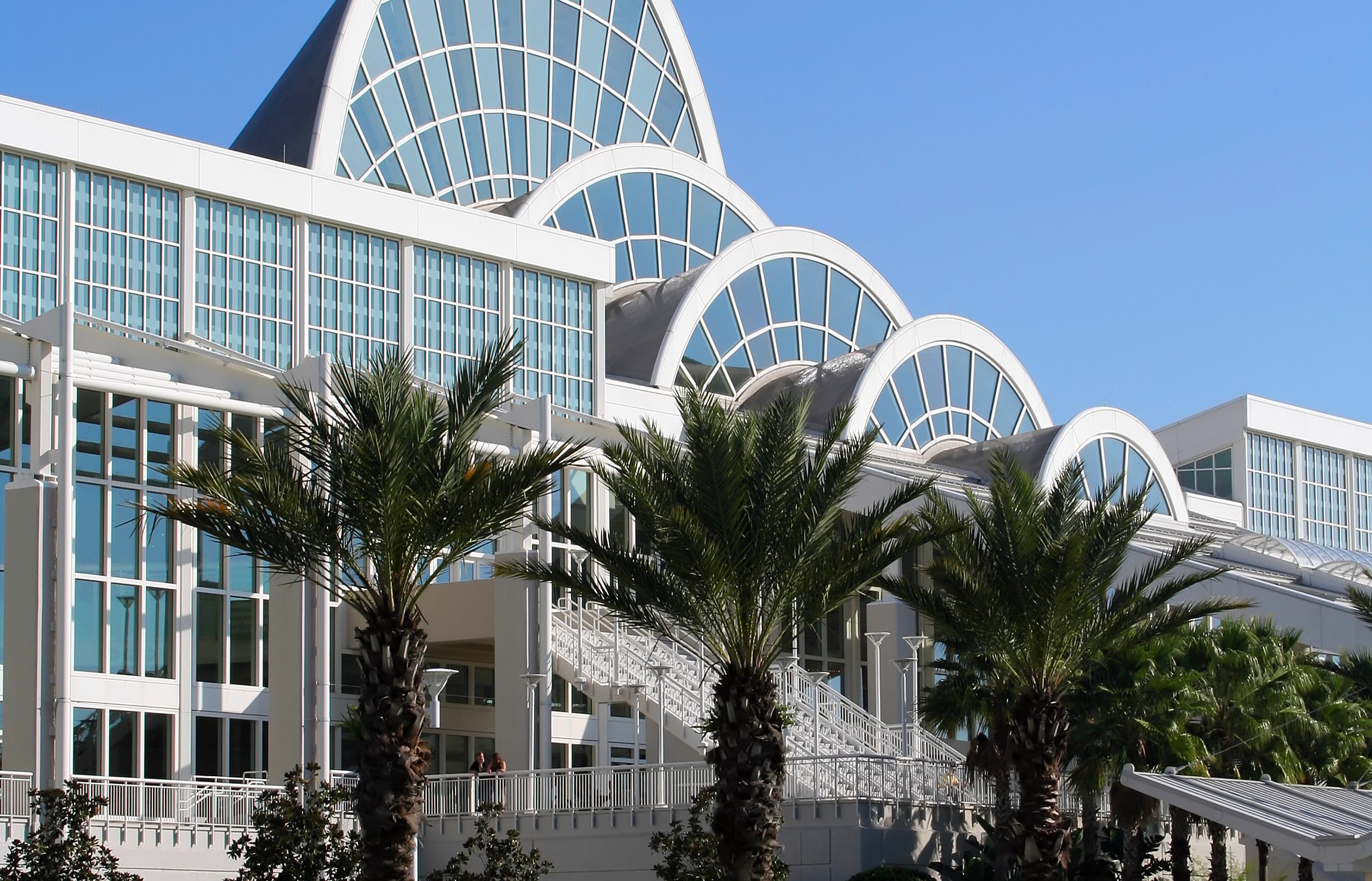
JOIN US IN ORLANDO
If you haven’t registered for ACR Convergence 2026, register today to participate in this year’s premier rheumatology experience, November 6–11 in Orlando, Florida. All registered participants receive on-demand access to scientific sessions after the meeting through September 30, 2027.