


Chimeric antigen receptor (CAR) T-cell therapy, which involves modifying a patient’s own T cells to target and destroy cancer cells, has enabled some patients with advanced disease to experience long-term, cancer-free periods. Recently, the therapy has entered early phase studies in systemic autoimmune disease, and early case descriptions have reported examples of sustained, drug-free remissions.
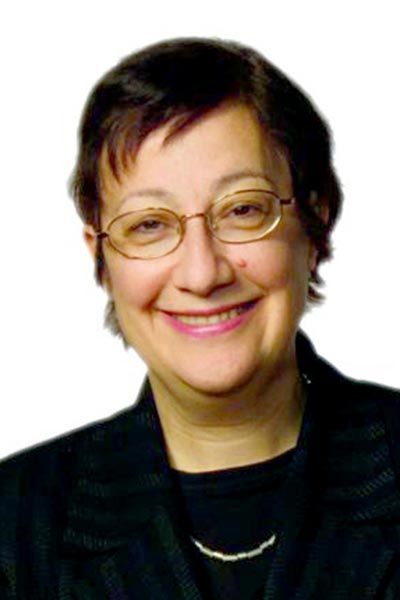
“We are still learning about CAR-T, which might be a game-changer for some patients with rheumatic disease,” said Joan Merrill, MD, Professor in the Arthritis & Clinical Immunology Research Program, Oklahoma Medical Research Foundation (OMRF), and OMRF Professor of Medicine, University of Oklahoma. Like with all emerging technologies, however, there are challenges. Improving understanding of these agents may help optimize these treatments better for individual patients, she noted.
During the Sunday, October 26, session The New Rules of the Road: An Update on CAR-T-Mediated Immune Reset for SLE, Dr. Merrill will discuss data from preliminary studies of CAR-T treatment for lupus and review potential future therapies, including autologous CAR-T cells targeting alternative antigens, allogeneic cell therapy treatments, and strategic cell-harnessing treatments. The session will take place from 1–2 p.m. in Room W375D-E of McCormick Place.
CD19-targeted CAR-T cell therapy has been used in a number of small, observational studies for refractory systemic lupus erythematosus (SLE). The theory behind this approach is that by activating T cells to seek and destroy B-cell lineage cells that carry CD19, a deeper depletion might be achieved than with currently available B-cell-depleting antibodies. Data from early studies of CAR-T cells suggest that when B cells return after the depleting process, there may be a profound impact on their autoimmune potential. However, the persistence of this finding and the percentage of patients receiving long-term clinical efficacy remains to be determined.
“There is variability in patient responses and a need for a better roadmap for optimized, individualized treatment plans,” Dr. Merrill said, stressing that it is important to figure out why some patients respond to treatments while others do not. “We may not be able to achieve complete predictability in the use of CAR-T therapy for lupus, but we could be doing a lot better than we are now.”
Flexibility Needed in Clinical Trial Design
As is true in other specialties, advancements in therapeutics can reveal the limitations of current clinical trial protocols and the challenges of drug approval processes.
“There is no one-size-fits-all approach to therapy, and there should not be a one-size-fits-all approach to clinical trials,” Dr. Merrill said. “We found this out with rituximab, which showed promise in initial reports and was eventually shown to be effective for rheumatoid arthritis, but failed to demonstrate efficacy in placebo-controlled trials for lupus.”
Despite this, rituximab is widely used in lupus due to its apparent effectiveness in certain cases, she added.
Most treatments for lupus involve classic immunosuppressants alone or in combination with corticosteroids and/or newer biologics. Patients can expect long-term chronic or intermittent use of varying combinations of these treatments and are likely to develop significant side effects. An appealing feature of CAR-T treatment is the potential for long-term, drug-free remission, Dr. Merrill said.
Maximilian Konig, MD, Assistant Professor of Medicine in the Division of Rheumatology and Ludwig Center for Cancer Genetics and Therapeutics, and the Director of the Cellular Therapy Program (Autoimmunity), Johns Hopkins University School of Medicine, will discuss precision immunotherapy and T-cell engineering. His research is focused on developing and advancing these therapies for the treatment of autoimmune rheumatic disease and cancer.
On-demand access to recorded presentations will be available to registered attendees of ACR Convergence following the annual meeting through October 31, 2026.

JOIN US IN ORLANDO
If you haven’t registered for ACR Convergence 2026, register today to participate in this year’s premier rheumatology experience, November 6–11 in Orlando, Florida. All registered participants receive on-demand access to scientific sessions after the meeting through October 31, 2027.