

Early vascular injury, often manifesting as Raynaud’s phenomenon, precedes fibrotic symptoms in systemic sclerosis (SSc) and plays a critical role in disease progression. Recent research has highlighted the presence of senescent endothelial cells in the skin of SSc patients, which may contribute to vascular dysfunction and potentially promote fibrosis through inflammatory signaling.
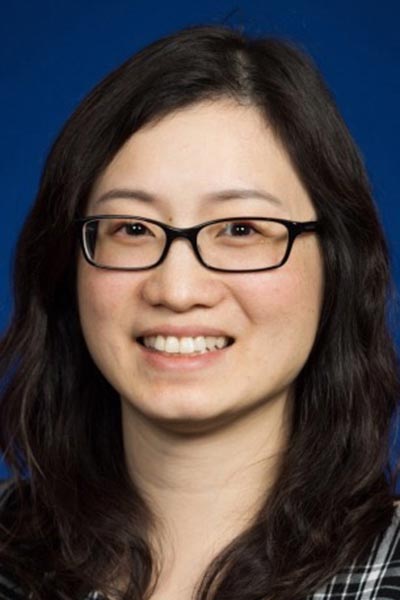
The process of fibrosis causes the high mortality rate in SSc patients because its effects are seen across so many different functions of the body, said Eliza Pei-Suen Tsou, PhD, the Frederick G L Huetwell Research Professor of Rheumatology and Assistant Professor in Internal Medicine, University of Michigan, Ann Arbor. The disease’s complexity has made therapeutic development difficult, with current treatments mostly targeting complications rather than curing SSc or halting disease progression.
Dr. Tsou will discuss the role of senescence and the scleroderma vasculature as part of the Sunday, October 26, session Ebbs and Flow: Endothelial Alterations in Systemic Sclerosis, focused on exploring the central role of vasculopathy in SSc. The session will take place from 4–5 p.m. in Room W187A-C of McCormick Place.
Real-Time Cellular Activity
“Recent technology has given us the tools to now study blood vessel changes at the tissue level, broadening our understanding of the disease and opening the door to emerging therapies,” Dr. Tsou said. “Using single-cell and spatial sequencing techniques, we can see increased senescence in the endothelial cells of skin biopsies of SSc patients. These cells indicate accelerated aging.”
Senescent cells could be thought of as “zombie” cells. They aren’t alive, and they aren’t dead.
“But they don’t just sit there. When they’re senescent, they can produce inflammatory proteins, creating a more pro-inflammatory environment,” Dr. Tsou said. “They can talk to other cell types, spreading their senescent phenotypes, like a zombie attack.”
In her lab, researchers have been able to confirm in real time that cells from SSc patients are entering senescence faster than healthy control cells.
“We’re connecting the vasculature impairment to the fibrotic phenotype,” Dr. Tsou said.
Senotherapy Under Investigation
The longevity field is increasingly looking at the use of senolytics or senotherapy, she said. These small molecules are being researched for their potential to selectively induce the death of senescent cells, with the goal of delaying, preventing, alleviating, or reversing age-related diseases. Candidate compounds are in clinical development for a variety of indications.
“We are interested in studying the effects of senolytics on the cells we isolate from patients or in animal models of SSc. We believe that potentially the agents could be used in combination with other drugs to help with overall function,” Dr. Tsou said. “By targeting the senescent cells, we hope to alleviate some of their symptoms.”
A decade ago, there was a lot of skepticism about the concept of senescence. Significant research in the area of lung fibrosis has helped showcase the presence of cellular senescence and the potential of senotherapy.
“There are clinical trials and real momentum in this area, with interest across multiple different fields,” Dr. Tsou said.
Benjamin Korman, MD, Associate Professor in the Department of Medicine, Division of Allergy, Immunology, and Rheumatology at the University of Rochester Medical Center, will discuss dysregulated angiogenesis in systemic sclerosis-associated pulmonary hypertension.
On-demand access to recorded presentations will be available to registered attendees of ACR Convergence following the annual meeting through October 31, 2026.
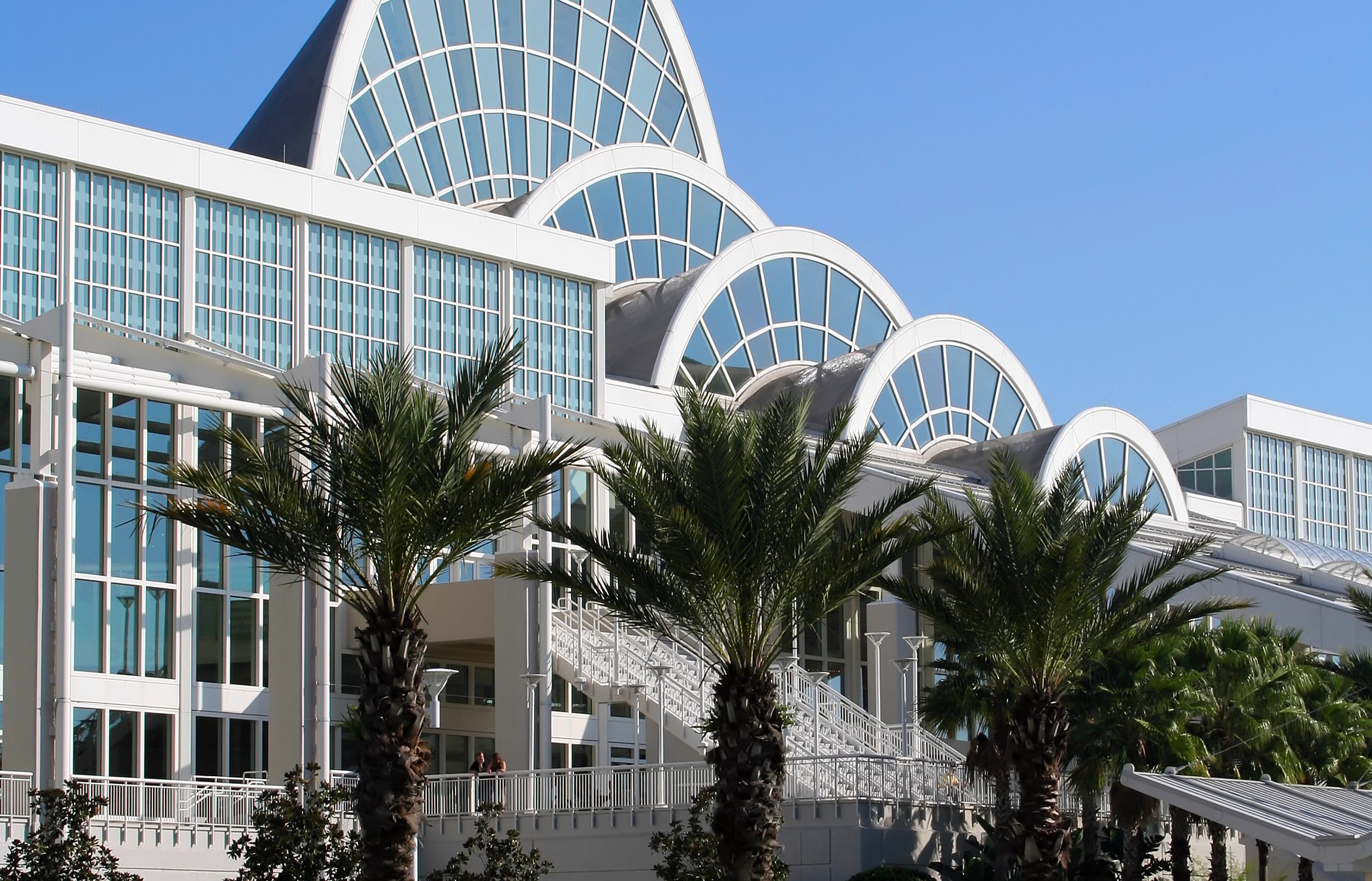
JOIN US IN ORLANDO
If you haven’t registered for ACR Convergence 2026, register today to participate in this year’s premier rheumatology experience, November 6–11 in Orlando, Florida. All registered participants receive on-demand access to scientific sessions after the meeting through October 31, 2027.