


In late 2024, new nomenclature related to managing the peripheral nervous system manifestations of Sjögren’s disease was released, and updated guidelines are under review to help clinicians navigate the evaluation and treatment of common nerve issues in patients, including mononeuropathy, polyneuropathy, and sensory ganglionopathy. The forthcoming guidelines cover symptoms like pain, numbness, and weakness, and suggest medications, such as tricyclic antidepressants, anti-epileptics like gabapentin, and other treatments when necessary.
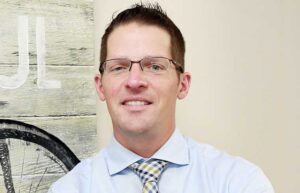
“These guidelines represent a major step forward in the establishment of standardized terminology for peripheral nervous system (PNS) manifestations to improve communication and consistency in care,” according to R. Hal Scofield, MD, one of the authors. He is a Professor in the Arthritis and Clinical Immunology Research Program at the Oklahoma Medical Research Foundation, serves as the Associate Chief of Staff for Research at the U.S. Department of Veterans Affairs Medical Center, and is an Adjunct Professor in the Department of Pathology at the University of Oklahoma Health Sciences Center.
During the Sunday, October 26, session Tackling the Burning Question of Peripheral Neuropathies in Sjögren’s Disease: New Guidelines, Dr. Scofield will join another one of the guidelines’ co-authors, Arun Varadhachary, MD, PhD, Professor of Neurology at Washington University in St. Louis, to review the practical implications of the guidelines and discuss specific case presentations. The session will take place from 10:30–11:30 a.m. in Room W181A-C of McCormick Place.
The guidelines stress the need for a multidisciplinary approach to manage Sjögren’s-related neuropathy effectively, Dr. Scofield noted. Management strategies are tailored to the specific type and severity of the neuropathy, with a stepwise approach based on the neuropathy’s characteristics and severity. The Sjögren’s Foundation developed the evidence-based clinical practice guidelines for PNS manifestations in Sjögren’s disease following ACR methodology. This multidisciplinary effort took three years and involved experts from rheumatology and neurology to address what had been a “haphazard and chaotic” field, according to the panel.
The guidelines cover three main categories:
- mononeuropathy, including cranial neuropathies and peripheral nerve neuropathies,
- polyneuropathy, including large fiber neuropathy, small fiber neuropathy, demyelinating polyradiculoneuropathy, ganglionopathy (neuronopathy), and vasculitic neuropathy, and
- autonomic neuropathy, including autonomic ganglionopathy, orthostatic intolerance, and gastrointestinal dysmotility.
The assessment includes asking patients about orthostatic postural lightheadedness and difficulties with digestion, urination, sweating, and sexual function. Treatment options focus on relieving symptoms and can include steroids, gabapentin, rituximab, and intravenous immunoglobulin, with the specific neuropathy type guiding therapy selection.
PNS manifestations can occur in up to 60% of Sjögren’s cases and often precede the classic dry eye and dry mouth symptoms. The guidelines aim to help clinicians recognize and manage these neurologic complications earlier, as diagnosis can take four to five years due to patients being referred between different specialists.
On-demand access to recorded presentations will be available to registered attendees of ACR Convergence following the annual meeting through October 31, 2026.

JOIN US IN ORLANDO
If you haven’t registered for ACR Convergence 2026, register today to participate in this year’s premier rheumatology experience, November 6–11 in Orlando, Florida. All registered participants receive on-demand access to scientific sessions after the meeting through September 30, 2027.