

For physicians in private practice, the constantly changing landscape related to billing and reimbursement, regulatory mandates, and staffing shortages can negatively impact both job satisfaction for physicians and the delivery of quality care for patients. To counter this, more and more physicians are transitioning their practices to a direct patient care model.

During the session Reimagine Your Practice: The Direct Patient Care Model, a pair of rheumatologists in private practice will discuss how they successfully implemented the direct patient care model into their practices and how it has increased their job satisfaction and improved patient care. The session will take place on Sunday, October 26, from 4–5 p.m. in Room W475A-B of McCormick Place.
“Rheumatology is a complex and challenging specialty, but what has made it even harder is the traditional insurance-based practice model,” said Saimun Singla, DO, FACR, Pediatric Rheumatologist and Integrative Medicine Physician at Rheum to Grow, a private medical practice she founded in Houston, Texas.
As a rheumatoid arthritis patient herself, Dr. Singla understands the challenges that both providers and patients face in trying to navigate the traditional insurance-based healthcare system.
“Insurance dictates which medications we prescribe, how many patients we must see just to cover our practice overhead and keep the lights on, and forces us through seemingly endless prior authorizations and denials,” she said. “The actual practice of medicine ends up being the smallest part of our day, while the administrative load drains the joy out of why we became physicians in the first place. Patients feel this too — they’re frustrated with delays, denials, and the lack of time with their doctors.”
Dr. Singla will share her experiences and describe the steps that physicians can take and the factors they need to consider when transitioning to a direct specialty care model. Importantly, she emphasized that if someone is not comfortable abandoning the traditional insurance-based model, they can implement a hybrid system that gives patients more choices and more control over their healthcare options.
“Patients come to me because they value what they’re getting — time, attention, and a physician who actually listens,” Dr. Singla said. “And my cash-pay visit rates are often less than hospital charges, and everything else — labs, imaging, medications — still runs through insurance. For those without insurance, I’ve negotiated discounted lab prices so their out-of-pocket costs stay low.”
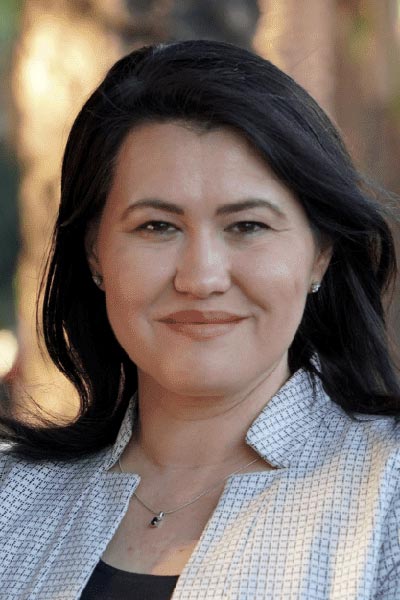
Joining Dr. Singla for this session will be Diana Girnita, MD, PhD, CEO and Founder of Rheumatologist OnCall, a telemedicine company that provides specialized services to patients in multiple U.S. states. Dr. Girnita will discuss how she manages and maintains the direct patient care model in her practice and how it has benefited both her and her patients.
“When I started my practice six years ago, I asked myself: ‘How can I remain a doctor without drowning in this system?’ I never wanted to be a businessperson. I wanted to be a physician,” Dr. Girnita said. “That is why I turned to the direct care model — removing insurance from the picture and working directly with patients. I set transparent fees for consultations, labs, imaging, and medications. No hidden bills arriving months later. Patients always know their costs upfront, and they decide whether to use their insurance if it covers a service or pay my direct, discounted rate if it doesn’t.”
Like Dr. Singla, Dr. Girnita understands why transitioning to a direct patient care model may seem daunting to many physicians, but she believes the potential rewards and benefits far outweigh the challenges.
“This model puts patients back in the driver’s seat. And to the surprise of many of my colleagues, who wonder whether patients will really pay out of pocket, the answer is yes, if you provide excellent care and transparency,” Dr. Girnita said. “We’ve been conditioned to believe that private practice can’t survive without insurers. Patients have been conditioned to believe they can’t afford care without them. Both of those assumptions are false.”
On-demand access to recorded presentations will be available to registered attendees of ACR Convergence following the annual meeting through October 31, 2026.

JOIN US IN ORLANDO
If you haven’t registered for ACR Convergence 2026, register today to participate in this year’s premier rheumatology experience, November 6–11 in Orlando, Florida. All registered participants receive on-demand access to scientific sessions after the meeting through October 31, 2027.