

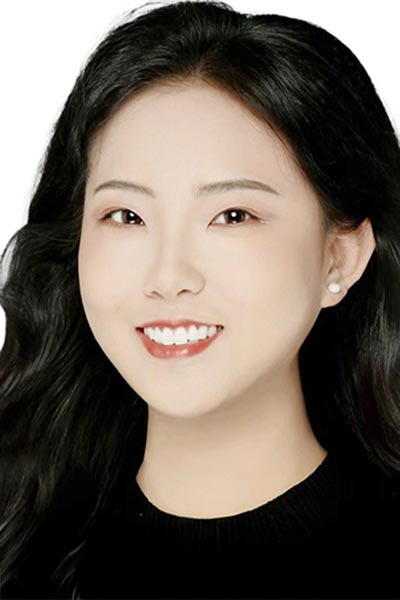
Poster Presenter: Chenjia He, MD, Attending Physician, Department of Rheumatology and Immunology, West China Hospital, Sichuan University, China
Poster Title: SPP1+ Macrophages Are Specifically Enriched in Arthritic Joints and Associated with Abnormal Bone Metabolism in Collagen-Induced Arthritis Mice
Poster Session A: 10:30 a.m.–12:30 p.m. on Sunday, October 26
What is your poster about?
“My poster is about the study of pathogenic macrophages in a collagen-induced arthritis mouse model. Specifically, we investigated the distribution and functional characteristics of SPP1+ macrophages in these mice.”
Why did you decide to investigate this topic?
“The synovial fluid of rheumatoid arthritis (RA) patients contains unique SPP1+ macrophages that drive pathogenesis by activating fibroblast-like synoviocytes (FLS). Single-cell RNA sequencing (scRNA-seq) data from synovial fluid, synovial tissue, and peripheral blood of the same RA patients show that SPP1+ macrophages are enriched in synovial fluid and synovial tissue but absent in peripheral blood. This limits research on these cells. Previous studies have focused on RA patients and lack research on the distribution and functional characteristics of SPP1+ macrophages in animal models. Our study explores these aspects in collagen-induced arthritis (CIA) mice, addressing the limitations of clinical samples and providing insights into RA pathogenesis and therapeutic strategies.”
What are you working on next related to this research?
“We plan to further investigate the molecular mechanisms by which SPP1+ macrophages contribute to abnormal bone metabolism in arthritis. Additionally, we aim to explore potential therapeutic targets that could modulate the activity of these macrophages to mitigate disease progression.”
What excites you most about your work?
“I am most excited about the potential to uncover new therapeutic avenues for RA by understanding the role of SPP1+ macrophages. This work could lead to more effective treatments and improved outcomes for patients suffering from this condition.”
What are you most looking forward to at ACR Convergence 2025 in Chicago?
“I am particularly looking forward to the opportunity to present our findings to a global audience of rheumatology experts. I also am eager to learn from other researchers and establish collaborations that could further advance our understanding of RA.”
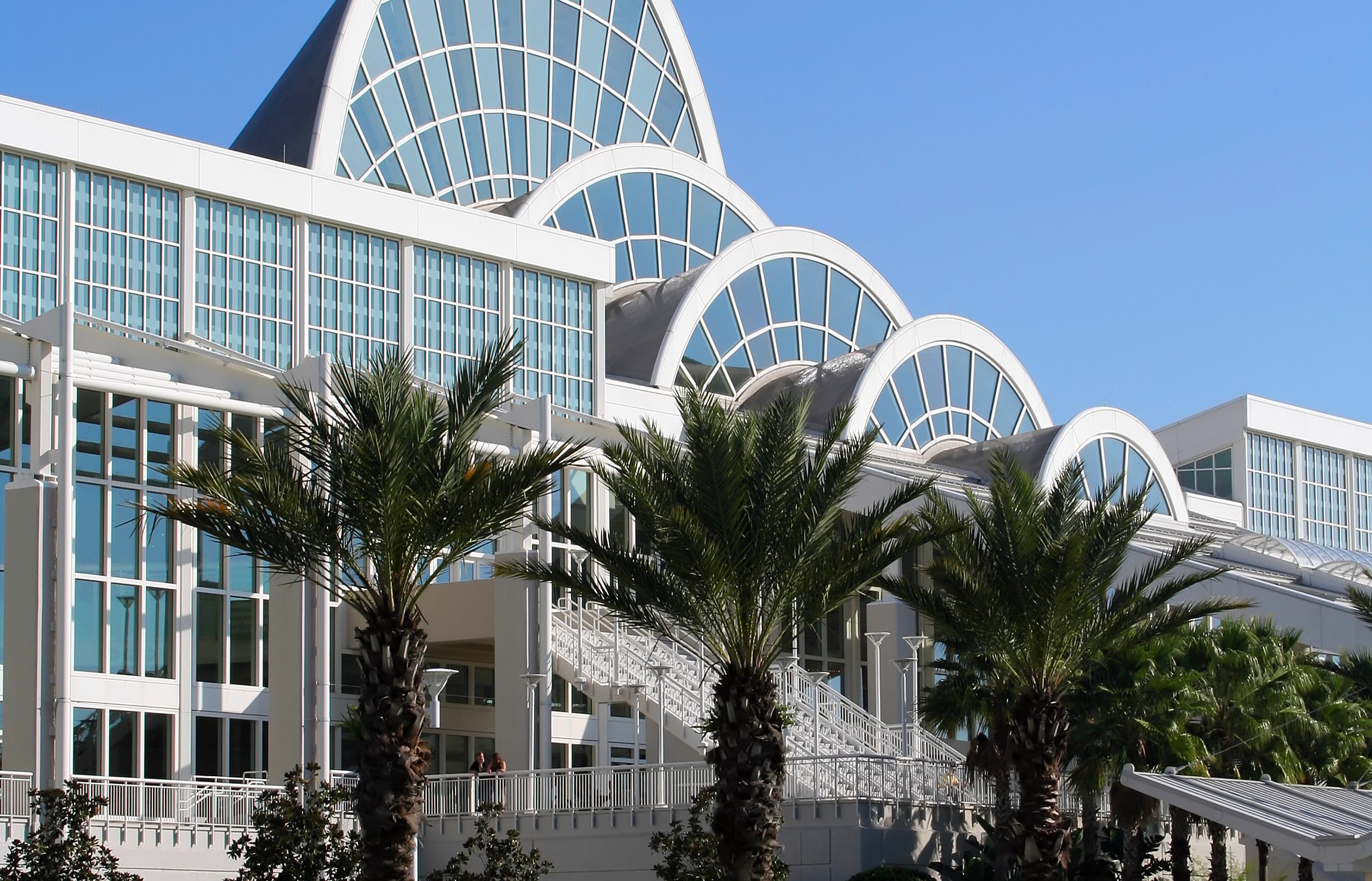
JOIN US IN ORLANDO
If you haven’t registered for ACR Convergence 2026, register today to participate in this year’s premier rheumatology experience, November 6–11 in Orlando, Florida. All registered participants receive on-demand access to scientific sessions after the meeting through October 31, 2027.