

The Ultrasound Conferences and Workshops at ACR Convergence 2026 have expanded in size and scope to provide expert presentations and clinical practice on living models, many of whom live with the specific rheumatological conditions being analyzed.
These ultrasound programs begin during the Friday and Saturday, November 6–7, preconference schedule, with two days of the Basic Musculoskeletal Ultrasound Course and two days of the Intermediate-Advanced Rheumatologic Ultrasound Course. Under the close guidance of experienced faculty and an instructor-to-student ratio of approximately 1:5, participants will develop and refine the technical scanning skills required for real-world clinical practice.

Janeth Yinh, MD, RhMSUS, who serves as the ACR Ultrasound Planning Subcommittee Chair and heads the curriculum for the introductory course, said the basic course will provide participants with a foundation in essential musculoskeletal ultrasound skills with a clinical emphasis on applications of ultrasound across a broad spectrum of rheumatic conditions.
“Point-of-care ultrasound is a rapidly growing area of rheumatology. These hands-on courses provide valuable training opportunities for practitioners with limited access to ultrasound education in academic and private practice settings,” said Dr. Yinh, Associate Director of the Rheumatology Musculoskeletal Ultrasound Program at Massachusetts General Hospital and an instructor at Harvard Medical School.
Dr. Yinh noted that the enhanced 2026 basic course incorporates more content for advanced practice providers and delivers a comprehensive, multidisciplinary learning experience that features dedicated content on pediatric rheumatology ultrasound.
“In response to strong demand and previous years’ capacity limitations, we have expanded this year’s course enrollment while maintaining the high-quality, hands-on learning experience,” Dr. Yinh explained. “We have also introduced a networking reception to provide a dedicated opportunity to foster mentoring, research collaborations, industry connections, and cross-institutional lateral networking essential for early career professionals.”
For professionals who already have ultrasound training, the intermediate-advanced course reflects the evolving landscape of rheumatology by showcasing the expanding role of ultrasound in disease scoring, diagnosis, and longitudinal monitoring of both musculoskeletal and nonmusculoskeletal rheumatic diseases. The comprehensive curriculum features dedicated sessions on lung, vascular, and salivary gland ultrasound, advanced ultrasound-guided procedures, and the clinical application of ultrasound in the assessment of systemic lupus erythematosus, Sjogren’s disease, vasculitis, interstitial lung disease, gout, calcium pyrophosphate deposition disease, rheumatoid arthritis, psoriatic arthritis, and other rheumatic conditions. Interactive case-based discussions will demonstrate how ultrasound can be effectively integrated into daily clinical practice, demonstrating evidence-based skills that attendees can immediately apply to patient care.
The two-day intermediate-advanced lecture themes include:
- Spotlight on the Shoulder: Beyond Inflammatory Arthritis
- Shifting Gears: Dynamic Studies in Ultrasound
- Psoriatic Arthritis and Spondyloarthritis: Finding Dactylitis, Enthesitis, and Tendinitis
- Seamless Synovitis Scanning
- Sonographic Dissection of the Ankle and the Subtalar Joint
- Crystalline Arthritis on Ultrasound
- The Role of Ultrasound in SLE Assessment
- Lung Ultrasound in Rheumatology
- Seeing the Unseen in Vasculitis
- Sounding Out Sjogren’s Disease
- Daily Cases
- Advanced Ultrasound Procedures
- Best Practices for MSK Ultrasound Documentation and Billing
- Faculty Roundtable
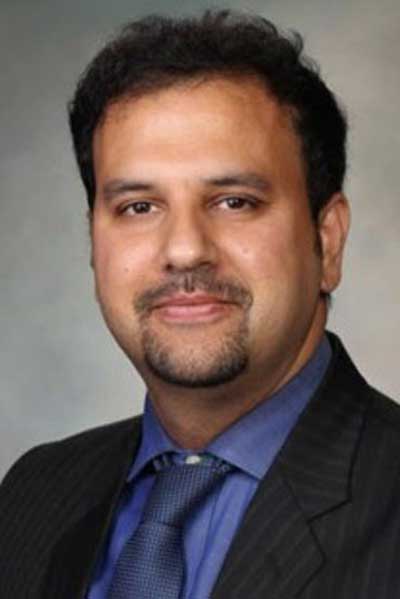
Fawad Aslam, MBBS, RhMSUS, MSc, FACP, FACR, who heads the curriculum for the intermediate-advanced course, noted the positive impact of these in-depth examinations of specific conditions.
“The transition from basic to advanced ultrasound scanning can be challenging, but the dividends it carries in terms of enhanced patient care, improved diagnostics, timeliness of care, and provider satisfaction are immense. The purpose of the advanced course is to facilitate that transition so that sonographers can make an impact in their daily practice with confidence,” said Dr. Aslam, Associate Professor of Medicine at the Mayo Clinic in Arizona and Director for the clinic’s rheumatology fellowship program.
Both two-day courses require preregistration, with discounts for ACR and ARP members.
Ultrasound education continues in more compact formats during the ACR Convergence scientific programming through two Sunday, November 8, workshops: the introductory-skills Ultrasound of the Hand: Inflammatory Arthritis and Carpal Tunnel Assessment and the advanced-topic Vasculitis Ultrasound for Giant Cell Arteritis.
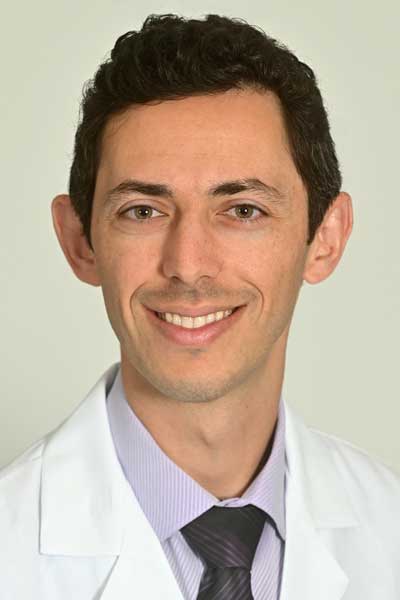
Charlie Oshinsky, MD, RhMSUS, who chairs the two 90-minute events, explained that both workshops provide an expert lecture followed by hands-on, faculty-guided learning experiences that can be applied immediately in clinical settings to improve patient care.
“A rheumatology provider at any level or training could benefit from these workshops,” said Dr. Oshinsky, a rheumatologist at Arthritis and Rheumatism Associates, P.C., in Chevy Chase, Maryland. “If you happen to be at an institution that does not have ultrasound expertise or if you finished your training and were never exposed to this, then you need a forum like this to provide you with that focused expertise. The beginner course will help providers bring high-yield ultrasonography to the bedside, and the advanced course will introduce key concepts in vascular imaging that really benefit from expert-led, hands-on training.”
ACR Convergence attendees can visit the official ACR Convergence registration page to preregister for one or both of these workshops.

JOIN US IN ORLANDO
If you haven’t registered for ACR Convergence 2026, register today to participate in this year’s premier rheumatology experience, November 6–11 in Orlando, Florida. All registered participants receive on-demand access to scientific sessions after the meeting through September 30, 2027.