


2025
-

Patient Perspectives Session to Amplify Innovative Solutions to Challenging Rheumatic Diseases
Five presentations will highlight practical interventions crafted by people living with rheumatic disease that can be applied in daily life by other patients. Session moderator Puja Khanna, MD, MPH, explains the importance of understanding patients’ lived experiences.
-
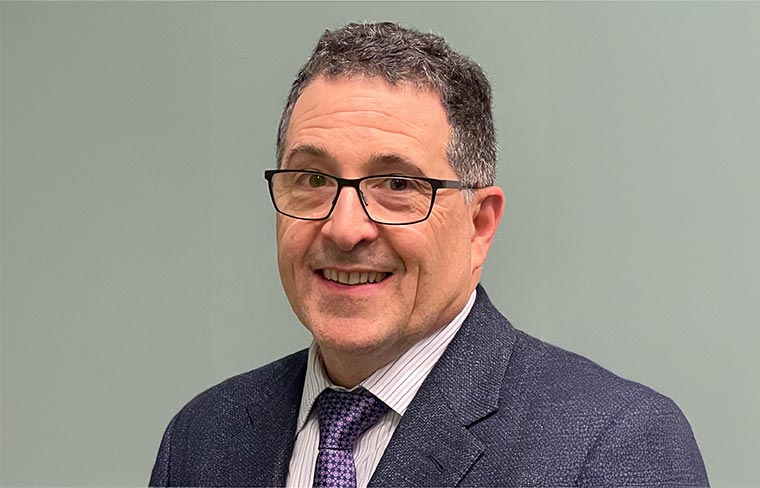
Noted Researcher to Discuss How Synovial Lymphatic System Dysfunction Drives RA Progression
Edward Schwarz, PhD, will explore the cellular and molecular mechanisms that impact rheumatoid arthritis progression, including joint drainage, immune regulation, and chronic inflammation.
-
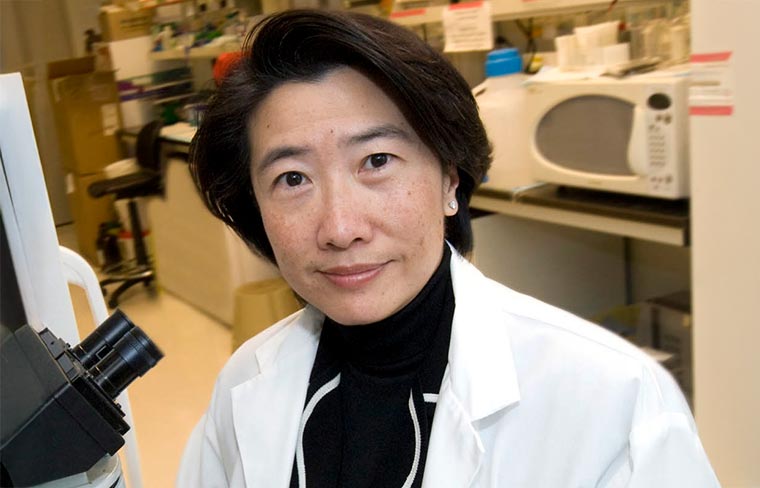
UCAN CAN-DU: Changing the Paradigm in Childhood Arthritis Toward a Cure
Rae Yeung, MD, PhD, and others from the Understanding Childhood Arthritis Network’s Canada-Netherlands Personalized Medicine Network in Childhood Arthritis and Rheumatic Diseases will outline new developments in juvenile idiopathic arthritis (JIA) facilitated by a team science approach to translational research.
-
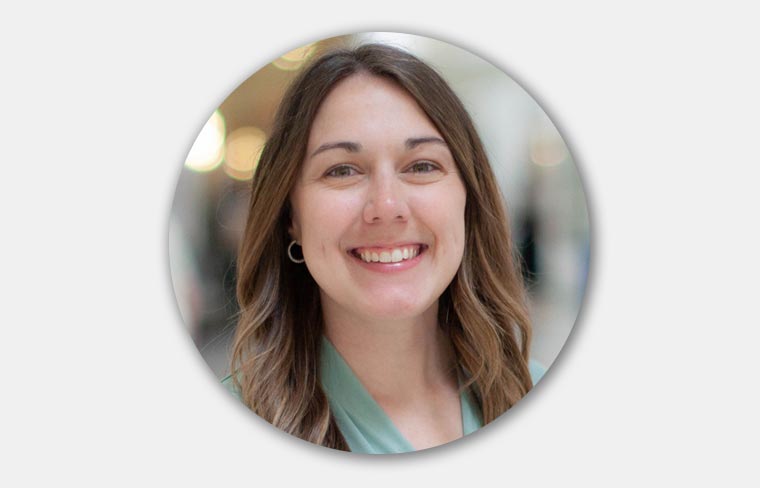
Does Physical Activity Differ Among Those with Autoimmune vs Non-Autoimmune Rheumatic Diseases?
Sydney Liles, PT, DPT, MS
-
Patient Portal Awareness and Utilization Across Diverse Rheumatology Populations
Allyson Covello, MD
-
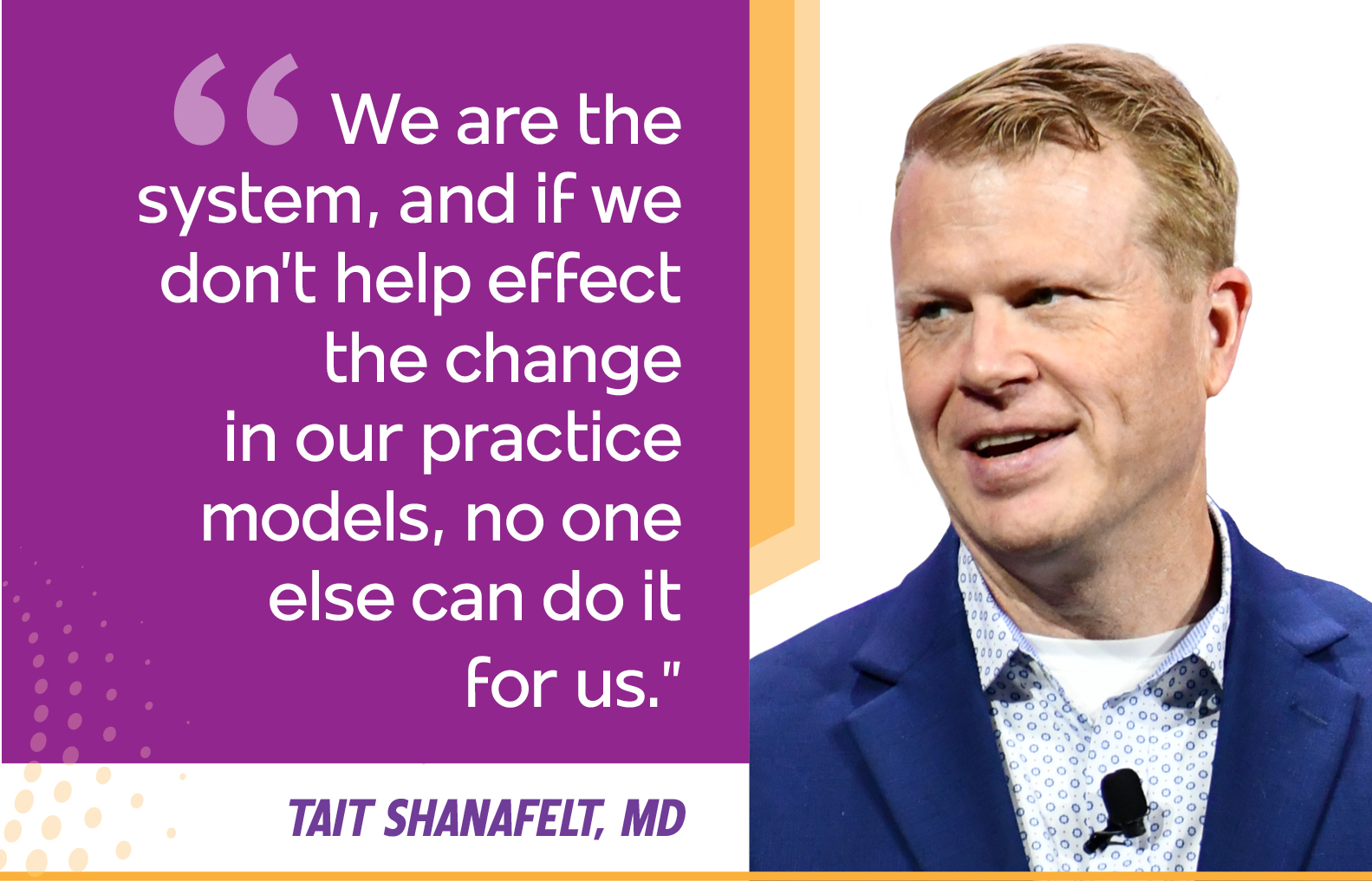
Opening Session Speaker Outlines Individual and Organizational Roles in Systemic Solutions to Foster Clinician Well-Being
Thought leader Tait Shanafelt, MD, shared strategies for combating occupational distress and burnout, including ongoing development and support for a health system’s leaders and collaborative action planning at the individual unit level.
-

Noted Researcher Will Discuss Immune Mechanisms in SLE During Foundation Memorial Lecture Honoring Dr. Eng Tan
George C. Tsokos, MD, will discuss how the current understanding of the pathogenesis of systemic lupus erythematous has evolved over time and where future directions in research might lead.
-
Investigators to Give Update on ILD in Rheumatic Diseases
Justin Oldham, MD, PhD, will discuss monitoring and multidisciplinary care for progressive pulmonary fibrosis in patients with rheumatic disease, and Erin Wilfong, MD, PhD, will explore combining clinical and biological features of interstitial lung disease to improve disease management.
-

Debate to Weigh Steroid Use in Childhood-Onset Lupus
Hermine I. Brunner, MD, MSc, MBA, and Emily von Scheven, MD, MAS, will explore the arguments for and against different approaches to corticosteroid use in pediatric patients with systemic lupus erythematous.
-

Thieves Markets Challenge Clinicians with Unusual Adult and Pediatric Cases
Featuring four cases apiece, each of these interactive sessions will explain how to arrive at the correct diagnosis when confronted with mimickers of common diseases, unusual genetic disorders, or an overlay of diseases.