Patients increasingly obtain information about rheumatic diseases and treatments from social media, messaging platforms, online communities, influencers, and artificial intelligence (AI) tools. These channels can rapidly amplify inaccurate claims, while cultural and social networks may reinforce collective beliefs and mistrust.
During Distorted Signals: Teaching Misinformation and Disinformation in Rheumatology Across Diverse Populations, a panel of experts will examine the growing impact of inaccurate and misleading health information on patients with rheumatic diseases and their families. The presentation will define misinformation and disinformation, explore the influence of social media and AI, and review common rheumatology-related myths encountered worldwide. The session will be held on Monday, November 9, from 10–11:30 a.m., in Room W110B of the Orange County Convention Center.
“For rheumatologists, misinformation is no longer an external public health issue; it is encountered directly in consultations. It can contribute to treatment refusal, unsafe medication changes, delayed care, vaccine hesitancy, and widening health inequities.”
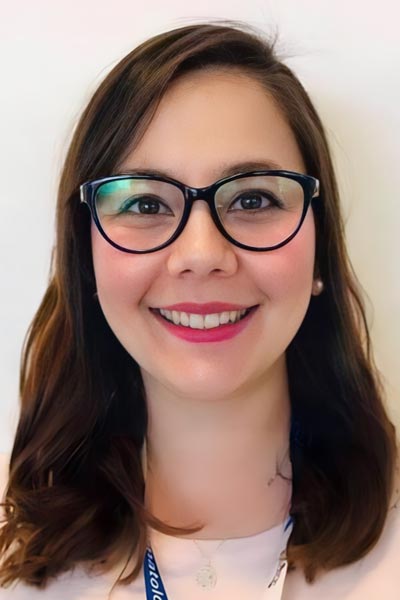
— Talia Diaz-Prieto, MD
“For rheumatologists, misinformation is no longer an external public health issue; it is encountered directly in consultations. It can contribute to treatment refusal, unsafe medication changes, delayed care, vaccine hesitancy, and widening health inequities,” said Talia Diaz-Prieto, MD, Pediatric Rheumatologist at Hospital San Jose TecSalud. “Clinicians, therefore, need practical skills to recognize distorted information, understand its social context, and respond in ways that preserve trust rather than dismiss patients’ concerns.”
Dr. Diaz-Prieto explained that misinformation should not be addressed only by correcting facts. Clinicians must also understand why a message is credible to a particular patient or community. Effective responses require evidence-based information, cultural humility, listening, clear communication, trusted messengers, and meaningful engagement with patients and communities.
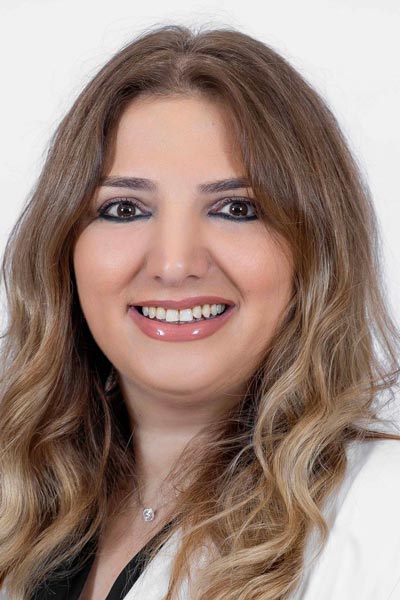
Lina El Kibbi, MD, FACR, Rheumatology Consultant at SMC Healthcare, will discuss approaches to patient education, real-world experience from the Arabic-speaking world, and how cultural beliefs and digital platforms intersect to shape patient perceptions. She will also share practical tools to address misinformation in clinical practice and strategies to build trust between providers and patients. Attendees will leave with ideas that they can apply immediately in their own practices.
“Social media is affecting patients. They are delaying treatments and stopping evidence-based medicine. They are making decisions based on unverified online sources,” said Dr. El Kibbi. “I will highlight my experience in Arab countries and outline some common misinformation we encounter. For example, that rheumatic disease is related to winter, that rheumatic disease is only found in the elderly, and that biologics are very dangerous and you need to stop them because your immunity will be decreased.”
This will be a practical session rather than a purely theoretical discussion. Attendees will see examples of misinformation encountered in local practice, examine the consequences through real-world cases, and review concrete approaches that can be adapted to adult and pediatric rheumatology clinical practices.

THERE’S STILL TIME TO JOIN US
If you haven’t registered for ACR Convergence 2026, you can still register on-site at the Orange County Convention Center in Orlando, Florida, through November 11. All registered participants receive on-demand access to scientific sessions through September 30, 2027.