As the effects of aging increasingly become the focus of research involving chronic progressive diseases, a session at ACR Convergence 2026 examined aging’s impact in rheumatic diseases and avenues being explored to reverse its effects.
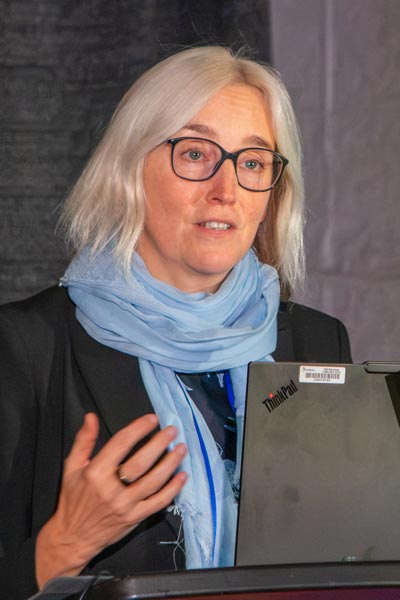
“Aging is really the strongest factor for the development and outcome of lung disease, including rheumatic lung diseases, as well,” said Melanie Koenigshoff, MD, PhD, Professor of Medicine at the University of Pittsburgh School of Medicine, during the session Aging Off Course: Contributions of Aging and Senescence to Fibrosis in Rheumatic Disease. “That really has emerged over the past couple of years. And we know that aging in general is the single biggest risk factor for the development of chronic diseases.”
Fibrosis is related to almost every hallmark of lung aging, said Dr. Koenigshoff, who also serves as Director of the Center for Lung Aging and Regeneration in the Division of Pulmonary, Allergy, Critical Care, and Sleep Medicine. Rheumatic conditions such as systemic sclerosis (SSc) and scleroderma accelerate biological aging, increasing frailty and lung complications. Idiopathic pulmonary fibrosis relies heavily on structural epithelial collapse and genetic aging, but rheumatic-related fibrosis is often characterized by vascular and systemic immune pathology.
Senescence, the permanent cell-cycle arrest that leads to chronic accumulation of senescent cells and impaired clearing by immune cells, is a prominent feature in rheumatic lung disease. Dr. Koenigshoff said that in the “inflammaging” loop, inflammation drives senescence, and senescence amplifies inflammation with the senescence-associated secretory phenotype, or SASP.
Senolytics are small-molecule drugs designed to selectively target and eliminate senescent cells. That allows healthy cells to regenerate tissue. This is an ongoing area of research, Dr. Koenigshoff said, but the next generation of senolytics and possible targets are needed.
“There have not really been many advances so much yet in clinical trials,” Dr. Koenigshoff said. “I think we’re still very much in the preclinical phase, but there’s a huge pipeline coming up.”
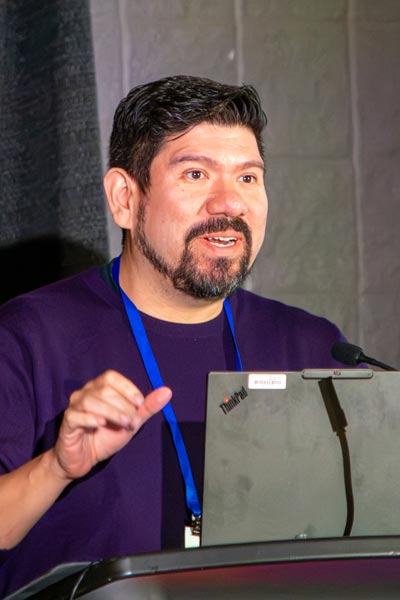
Saul Villeda, PhD, Associate Professor in the Department of Anatomy and Endowed Chair in Biomedical Science at the University of California, San Francisco, discussed work his lab is doing on cellular and tissue rejuvenation to help reverse or mediate the effects of aging.
“We’re asking whether the effects of aging can be reversed,” Dr. Villeda said. “So, not just slowing it down or preventing it, but can you already be in an age state later in life and come up with ways that you can actually restore at least function or responses?”
Parabiosis models—physically connecting animals so two hearts are pumping in one bloodstream—using a young and old animal have shown that old blood promotes or accelerates aging and that young blood attenuates knee cartilage damage, rescues regenerative capacity in aged muscle, and decreases inflammation in the aged brain. Using mouse models, Dr. Villeda’s lab started exploring whether plasma transfers could deliver similar results.
The lab identified platelet factor 4 (PF4) as a candidate “pro-youthful” platelet factor. Increased systemic PF4 rescues cognitive impairments in aged mice. It also restores aged immune cell composition and the cellular composition of aged myeloid cells to more youthful levels.
Additional work to determine the mechanisms for this found that aged CD8+ T cells induced hippocampal-dependent cognitive impairments in young mice. The age-associated CD8+ T cells express and secrete Granzyme K (GZMK). Dr. Villeda said that one of the biggest signals received with aging is the emergence of GZMK-positive CD8+ T cells.
Targeting systemic GZMK rescued hippocampal-dependent cognitive function in aged mice.
“These have also been observed in a lot of this single-cell sequencing that’s coming out in the context of rheumatoid arthritis in the synovium,” said Dr. Villeda, who also serves as Associate Director of the Bakar Aging Research Institute. “So, it’s not only this aging. There’s almost like this premature pro-aging component actually happening there within the synovium itself.”
THERE’S STILL TIME TO JOIN US
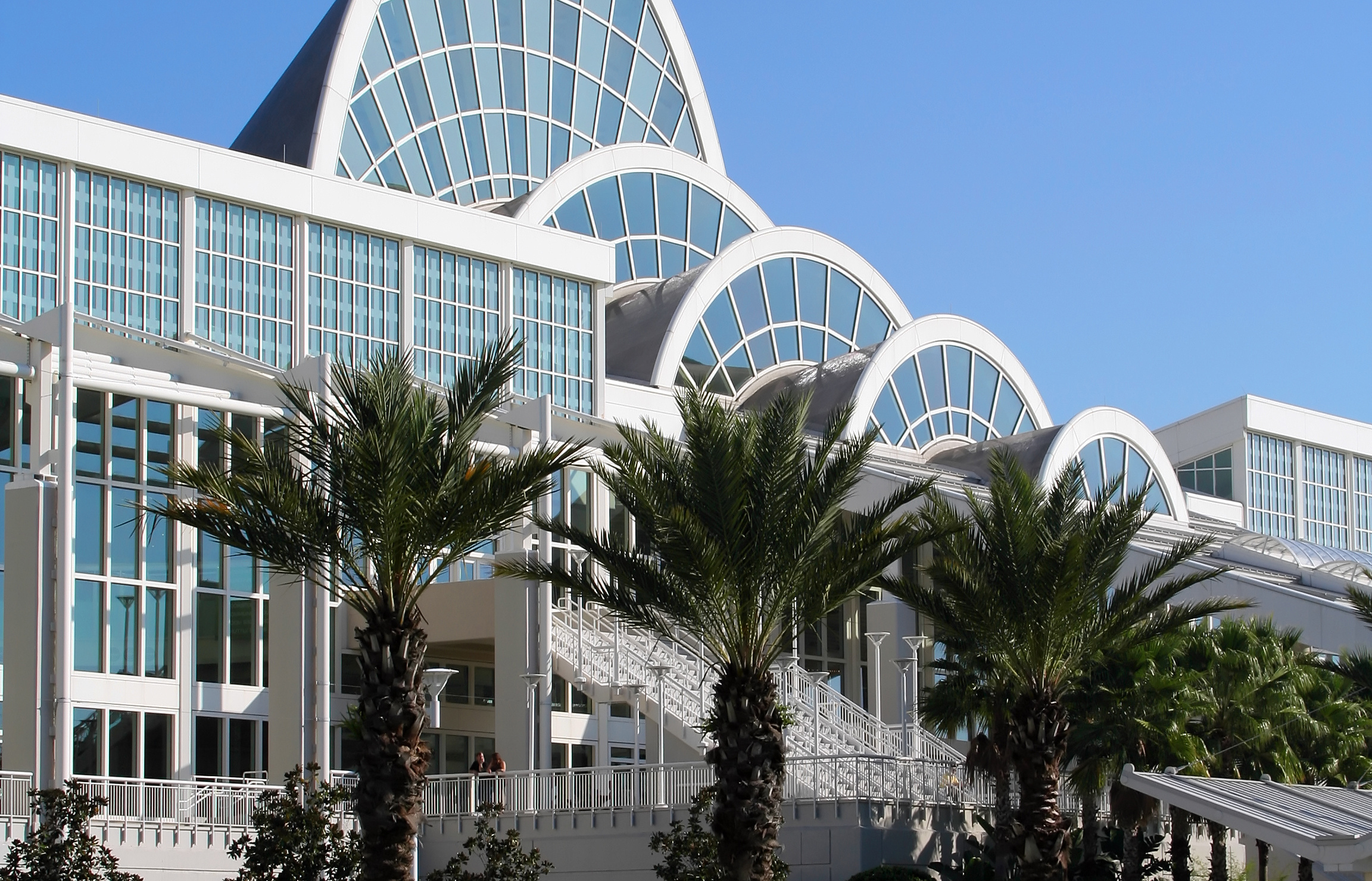
If you haven’t registered for ACR Convergence 2026, you can still register on-site at the Orange County Convention Center in Orlando, Florida, through November 11. All registered participants receive on-demand access to scientific sessions through September 30, 2027.