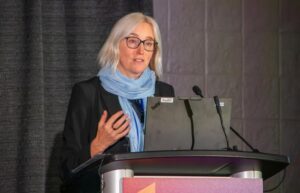
The Lupus Research Alliance (LRA) Lupus Insight Prize Lectureship will debut at ACR Convergence 2026, honoring complementary discoveries by Greg Barton, PhD, and Olivia Majer, PhD, that illuminate how regulation of innate immune-sensing pathways governs susceptibility to systemic lupus erythematosus (SLE).

“The Lupus Insight Prize is LRA’s signature research honor awarded for seminal discoveries that shift our understanding of lupus,” said Teodora Staeva, PhD, Chief Scientific Officer for the LRA, the largest private funder of lupus research worldwide. “Drs. Barton’s and Majer’s groundbreaking research on the TLR7 pathway is reshaping our understanding of lupus pathogenesis and opening up new possibilities for therapeutic interventions while underscoring the importance of foundational research.”
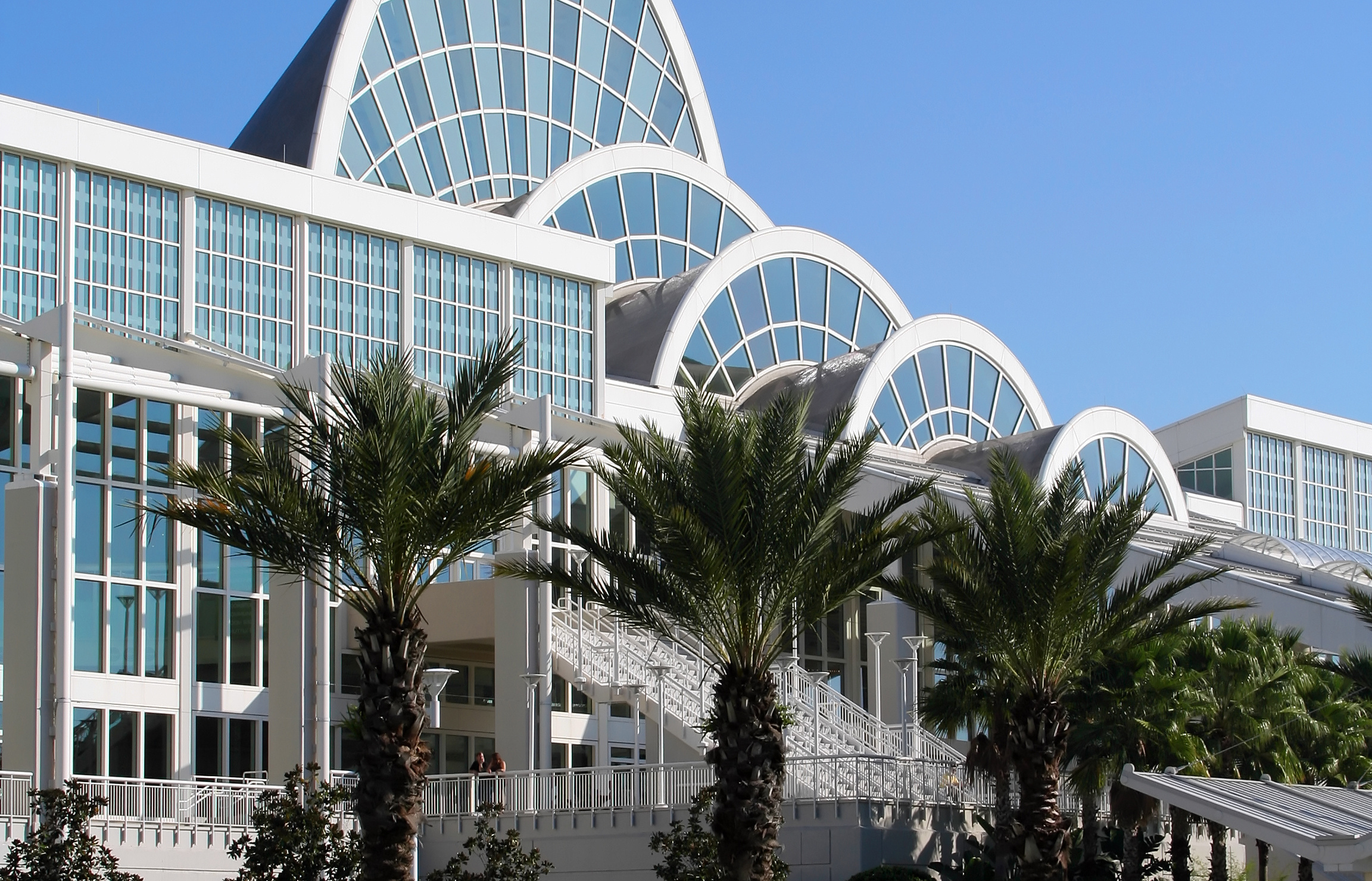
TLR7 from Discovery to Translation: Lupus Research Alliance Lupus Insight Prize Lectureship will begin at 3:30 p.m. on Tuesday, November 10, in the Chapin Theater of the Orange County Convention Center. A recording of the session will be available to registered participants of ACR Convergence 2026 for on-demand viewing.
Dr. Barton, Co-Chair of the Department of Molecular and Cell Biology at the University of California, Berkeley, and an Investigator of the Howard Hughes Medical Institute, will explain how mutations in the UNC93B1 gene can cause TLR7-driven autoimmunity. Dr. Majer, Associate Professor of Immunobiology at Cincinnati Children’s, will explain how defective lysosomal TLR7 trafficking drives autoimmune disease pathogenesis.
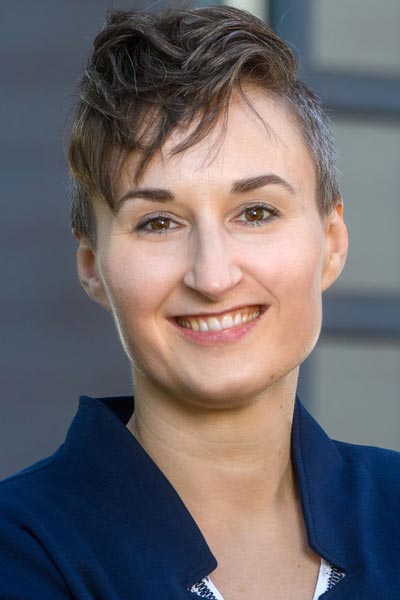
While their landmark research being recognized by the LRA was done independently, Drs. Barton and Majer have had a shared research interest dating back to 2013–2019, when Dr. Majer was a postdoctoral fellow in Dr. Barton’s laboratory at Berkeley. Dr. Barton will explain how they first became interested in the UNC93B1 gene, which culminated in the work being highlighted in this fall’s lecture at ACR Convergence.
“This was a project that Dr. Majer started in my lab and where we started to try to understand how this protein could be broken in a way that would lead to increased responses to this really important immune receptor, TLR7,” Dr. Barton explained. “We saw clues that breaking this protein could lead to lupus.”
UNC93B1 encodes an endoplasmic reticulum membrane protein that is critical for trafficking nucleic acid-sensing TLRs. Dr. Barton will trace the path of basic science research from studying cells in a dish to proving a hypothesis in mouse models to identifying humans with mutations in the UNC93B1 gene that result in lupus. Dr. Majer will follow up with an explanation of how UNC93B1 moves TLR receptors through the cell.
“When I started my lab, my focus became a little more centered on the compartment where these receptors are sitting—the late endosomes and lysosomes—and where they are being activated,” she said. “We knew from my work in Dr. Barton’s lab that the movement, the transport of these receptors, is really important to control their activity, so we reasoned that many changes that affect lysosome trafficking would probably also affect TLR receptors because they live in these compartments.”
The hypothesis was that any damage or perturbation to the compartment might also affect the receptor’s ability to signal and possibly break in a way to cause lupus. And Dr. Majer’s lab succeeded in identifying a lysosomal trafficking regulator critical to restraining TLR7 activity and preventing autoimmune disease.
“We are really interested in understanding how intracellular receptors are being distributed and positioned within the endosomal network, because there’s growing evidence that where a receptor is located within the cell can influence how it signals,” Dr. Majer said. “We use super-resolution microscopy to follow how these receptors move through the cell and to understand how their local endosomal environment shapes their signaling activity. That’s a very fundamental question going beyond immunology: The question of how cells control sensing and signaling from within different intracellular sites.”
Lessons learned from Dr. Barton’s and Dr. Majer’s groundbreaking work have applications beyond lupus.
“It really fits into the category of our increasing ability to define the genetic basis of disease in patients who suffer from these autoimmune diseases. This TLR7 pathway has been getting a lot of attention in the last few years,” said Dr. Barton, referencing the 2023 Lupus Insight Prize, which recognized Dr. Carola Vinuesa’s work identifying a mutation in TLR7 that causes lupus. “The field has been thinking that there are likely many other genetic mutations that can cause that pathway to become dysregulated, and the gene that we’ve been working on seems to be a central hub for that.”
Downstream, there is potential to develop more precise interventions to inhibit the TLR7 pathway.
“That’s definitely being realized in the clinic with various drugs that are coming through,” Dr. Barton said. “The dream would be that you could, by sequencing a patient, identify the likelihood that they would respond much better to a particular drug that would target this pathway in a way that you wouldn’t necessarily have appreciated before.”
The promise this research brings to people living with lupus underscores the need for ongoing funding for basic science research, Dr. Majer said.
“What I hope the audience can take away from our lecture is how important basic research is and how it can lead to breakthrough discoveries in translational research,” she said. “Our journey is a prime example for that and how important it is to continue supporting and funding this kind of fundamental research.”
Following presentations by Drs. Barton and Majer, Richard A. Furie, MD, MACR, Chief of the Division of Rheumatology at Northwell Health, will give an overview of the clinical trial landscape of TLR7 inhibitors for lupus. Gary Koretzky, MD, PhD, Professor Emeritus of Medicine, Medicine, Weill Cornell Medical College, will moderate the session.
THERE’S STILL TIME TO JOIN US
If you haven’t registered for ACR Convergence 2026, you can still register on-site at the Orange County Convention Center in Orlando, Florida, through November 11. All registered participants receive on-demand access to scientific sessions through September 30, 2027.