Abstract & Poster Presenter: Vikram Khedgikar, PhD, Instructor in Medicine, Brigham and Women’s Hospital and Harvard Medical School
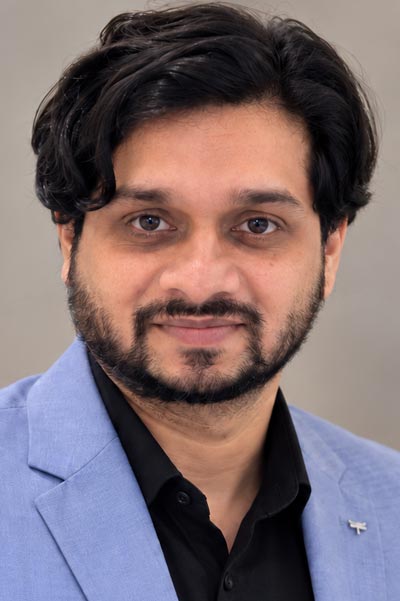
Abstract & Poster Title: Neurotrophin Signaling in Synovial Fibroblasts Sustains Pathological Vascular Maturation in Rheumatoid Arthritis
Abstract Session: Abstracts: Rheumatoid Arthritis – Etiology & Pathogenesis (2827-2832), 8–9:30 a.m., Tuesday, November 10
Poster Session B: 10:30 a.m.–12:30 p.m., Monday, November 9
What is your abstract/poster about?
Dr. Khedgikar: Our poster explores why abnormal blood vessels continue to develop and persist in the joints of people with rheumatoid arthritis (RA). We found that neurotrophin signaling, which is normally associated with the growth and function of nerve cells, can also influence synovial fibroblasts. Together with NOTCH3 signaling, this pathway appears to help fibroblasts acquire characteristics of the mural cells that surround and support blood vessels. This unexpected finding may help us better understand why vascular changes persist even when inflammation is treated.
Why did you decide to investigate this topic?
Dr. Khedgikar: We have been interested in understanding why the blood vessels in RA remain abnormal and do not fully return to a healthy state after treatment. Our earlier work showed that endothelial cells can communicate with nearby fibroblasts and guide them toward other differentiated cell states. When we detected neurotrophin receptors in these vascular-associated fibroblasts, we became curious about whether signals normally linked to the nervous system might also contribute to this process. That observation became the starting point for this study.
What are you working on next related to this research?
Dr. Khedgikar: We are now testing how blocking neurotrophin signaling affects vascular remodeling and arthritis severity in experimental models. We are also beginning to investigate how nerve cells communicate with fibroblasts, blood vessels, mural cells, and macrophages in the inflamed joint. Ultimately, we hope to understand whether disrupting these interactions could help resolve persistent tissue abnormalities in RA.
What excites you most about your work?
Dr. Khedgikar: I am most excited when we discover an unexpected connection between different biological systems. In this case, a pathway commonly studied in neurons appears to have an important role in fibroblasts and blood vessel maturation. Discoveries like this encourage us to look beyond traditional boundaries and may open new possibilities for treating aspects of RA that are not fully addressed by current therapies.
What are you most looking forward to at ACR Convergence 2026 in Orlando?
Dr. Khedgikar: I am looking forward to sharing our findings, hearing feedback from researchers and clinicians, and learning about the latest advances in rheumatology. I am especially excited to meet people working in stromal biology, vascular remodeling, spatial biology, and neuroimmune interactions. ACR Convergence is always a great place to exchange ideas and develop new collaborations.
THERE’S STILL TIME TO JOIN US
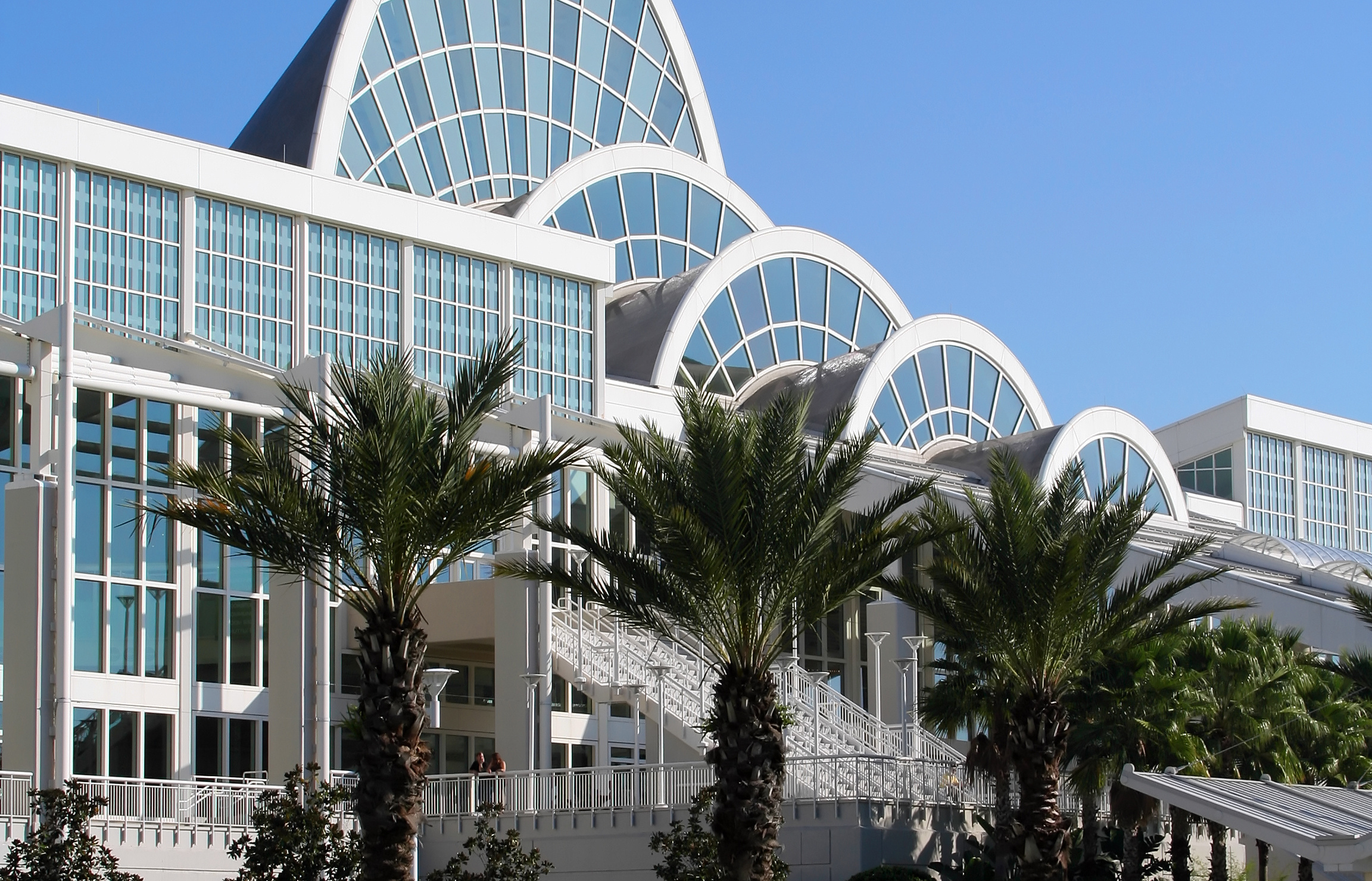
If you haven’t registered for ACR Convergence 2026, you can still register on-site at the Orange County Convention Center in Orlando, Florida, through November 11. All registered participants receive on-demand access to scientific sessions through September 30, 2027.