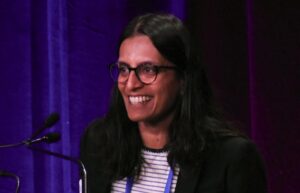
Abstract Presenter: Helen Jarnagin, PhD, Postdoctoral Fellow, University of Michigan
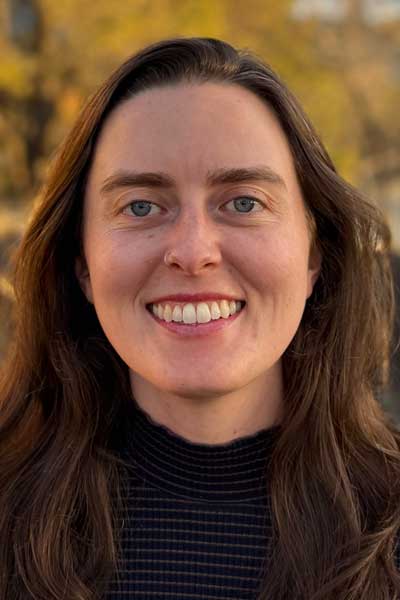
Abstract Title: CD19 Targeted CAR-T Therapy Improves Clinical Outcomes and Reduces Fibrotic Gene Expression and Immune Cell Colocalization in dcSSc Skin
Abstract Session: Abstracts: Systemic Sclerosis & Related Disorders – Basic and Translational Science (1934-1939), 3–4:30 p.m., Monday, November 9
What is your abstract about?
Dr. Jarnagin: My presentation focuses on transcriptomic changes following infusion of CD19-targeted chimeric antigen receptor T cell (CAR-T) therapy in people with early refractory and severe systemic sclerosis (SSc). This is achieved through deep analysis of single-cell and spatial data from skin and other tissues to better characterize the immune and fibrotic restructuring that occurs after CAR-T infusion.
Why did you decide to investigate this topic?
Dr. Jarnagin: I’m extremely passionate about finding more therapies to improve treatment outcomes for people with SSc and other autoimmune diseases. The biological mechanisms underlying the improvements in skin and lung function following CAR-T therapy, as reported in ongoing Phase 1 trials, remain unknown. We are focusing our efforts on investigating these mechanisms in patients undergoing CAR-T therapy at the University of Michigan. I’m lucky to work with such a talented team of clinicians and researchers dedicated to these clinical trials. My mentor, Dr. Dinesh Khanna, is enthusiastic about building a team that tests and provides cutting-edge therapy to people with SSc. Investigating the transcriptomic alterations in tissue samples from people enrolled in these trials is a unique opportunity to better untangle disease pathogenesis.
What are you working on next related to this research?
Dr. Jarnagin: The precise role of B cells in autoimmune diseases remains unclear. Next, I hope to assess B cells’ contributions to SSc fibrosis and other autoimmune diseases through large-scale, single-cell, and spatial transcriptomic surveys.
What excites you most about your work?
Dr. Jarnagin: It’s profoundly rewarding to work on projects that directly impact patient care. With new cutting-edge cell therapies, I believe we are getting closer to improving disease trajectories for people with these autoimmune diseases. I’m excited to work on projects to find more therapies that directly improve patients’ quality of life.
What are you most looking forward to at ACR Convergence 2026 in Orlando?
Dr. Jarnagin: ACR Convergence is a wonderful opportunity to gain insights from rheumatology researchers worldwide. My favorite part is connecting with and learning from colleagues from diverse backgrounds.
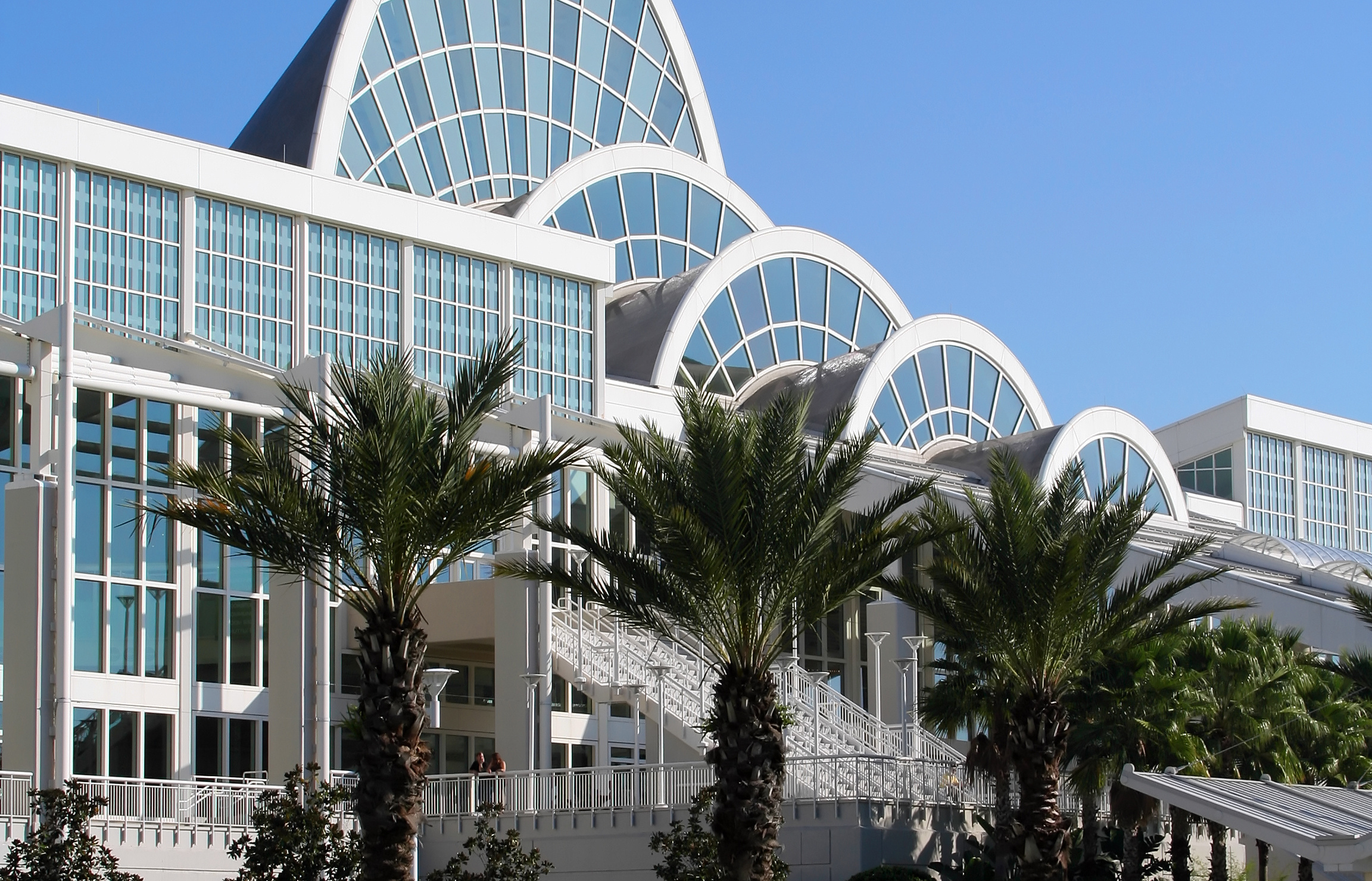
THERE’S STILL TIME TO JOIN US
If you haven’t registered for ACR Convergence 2026, you can still register on-site at the Orange County Convention Center in Orlando, Florida, through November 11. All registered participants receive on-demand access to scientific sessions through September 30, 2027.