


Popular articles
-
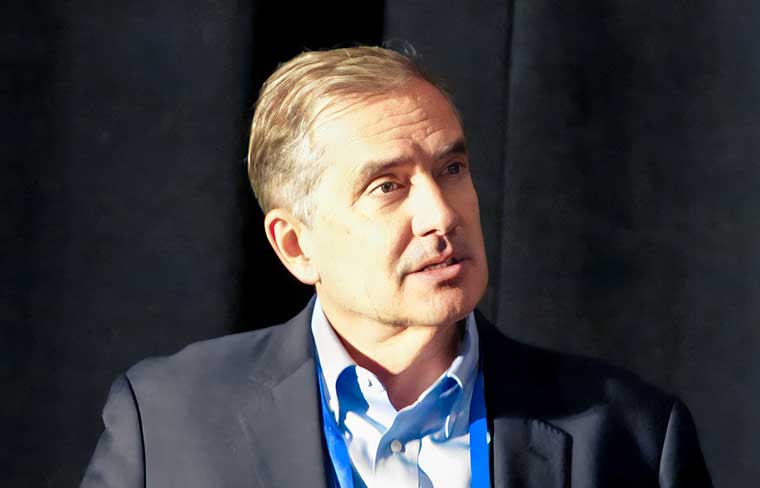
Hench Lecture Traces IgG4-RD History, Quest for Therapies
While honoring rheumatology pioneer Philip Hench, John Stone, MD, MPH, discussed the groundbreaking work that has furthered the understanding and treatment of IgG4-related disease, including the approval of a monoclonal antibody that depletes CD19-positive B cells for use in adults.
-
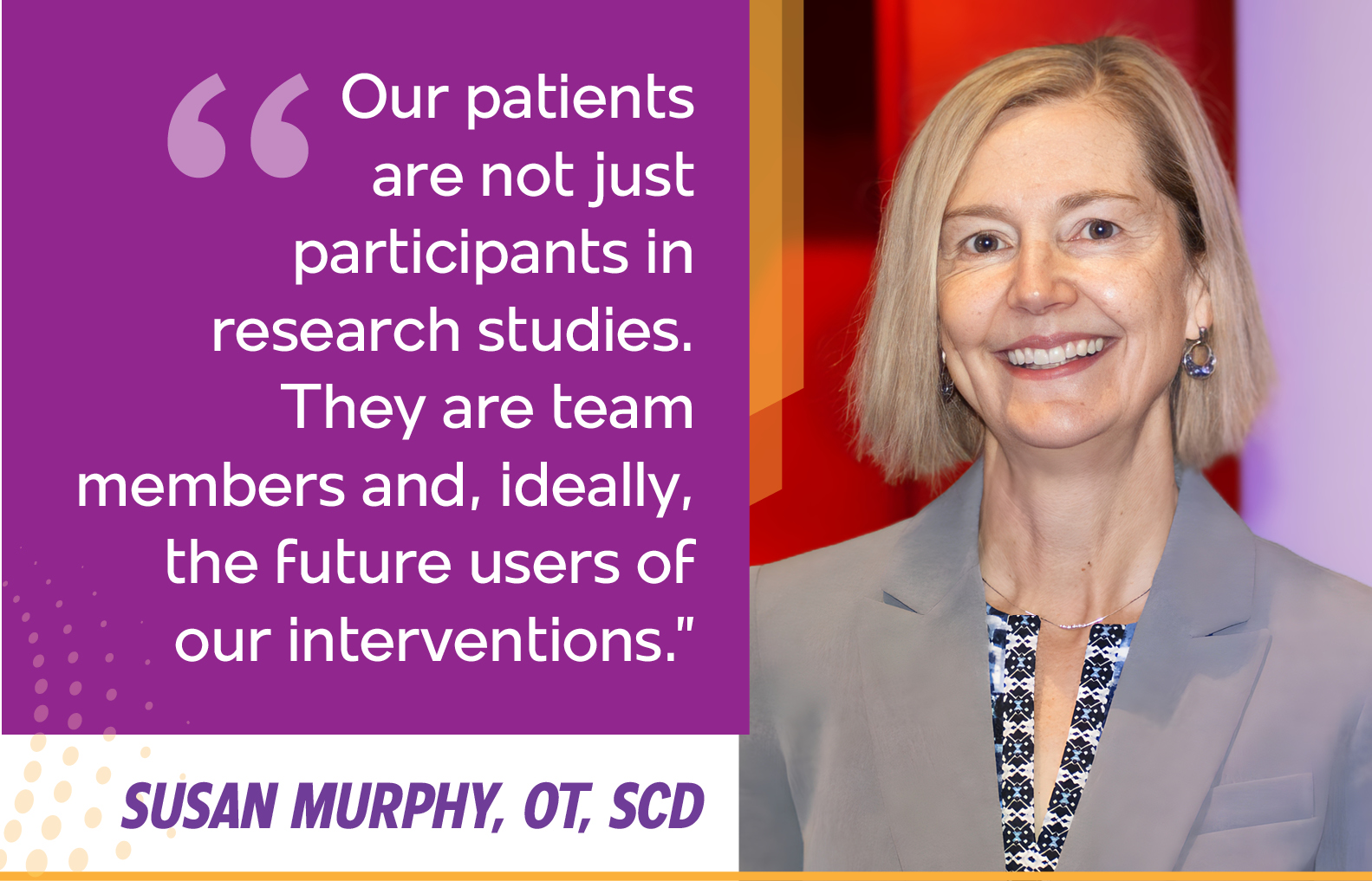
ARP Distinguished Lecture Illuminates Participatory Research
Susan Murphy, OT, ScD, explained how leveraging participatory research methods and positioning patients and community members as essential co-creators rather than passive recipients of medical interventions can lead to meaningful collective health solutions for complex medical challenges.
-
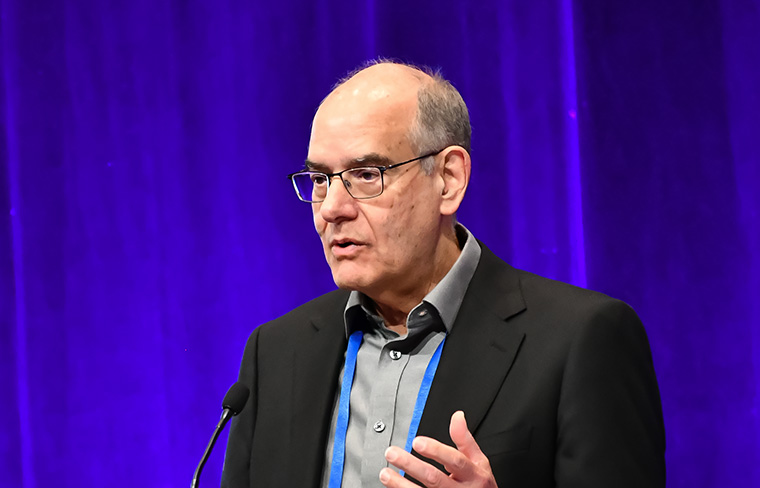
Klemperer Lecturer Recounts New Ideas for RA Pathogenesis, Progression, and Treatment
In the Monday lecture, Michael Brenner, MD, discussed new paradigms in the immunopathogenesis of rheumatoid arthritis and other autoimmune diseases that come from taking an “unbiased” approach.
-
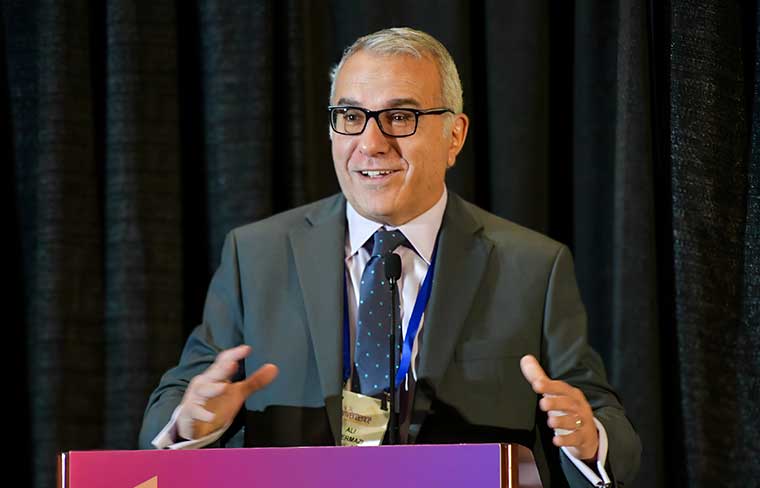
International Panel Explores Emerging Roles for AI in Rheumatology Imaging
Ali Guermazi, MD, PhD, MSc, was among the experts discussing how artificial intelligence (AI) is changing imaging for the diagnosis and management of rheumatic diseases.
-
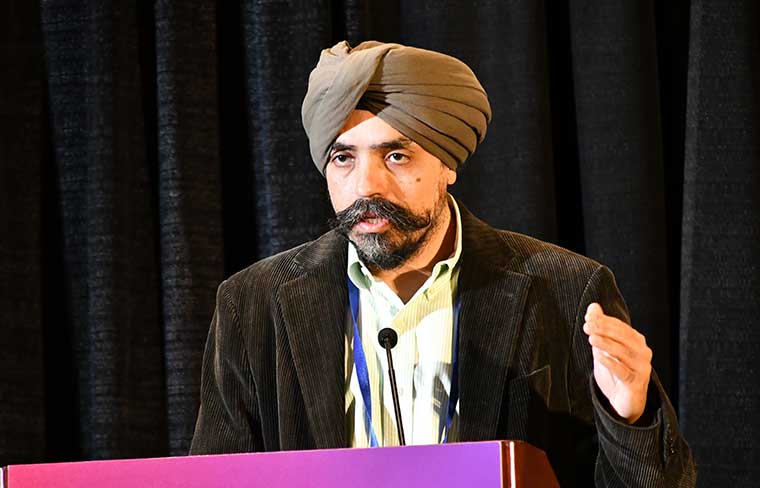
Speakers Trace Evolution in Gout Management
Experts, including Jasvinder Singh, MD, MPH, examined the dynamics of gout and cardiometabolic comorbidity management. Gout is an independent risk factor for any vascular event, coronary heart disease, peripheral vascular disease, and atrial fibrillation, he explained.
-
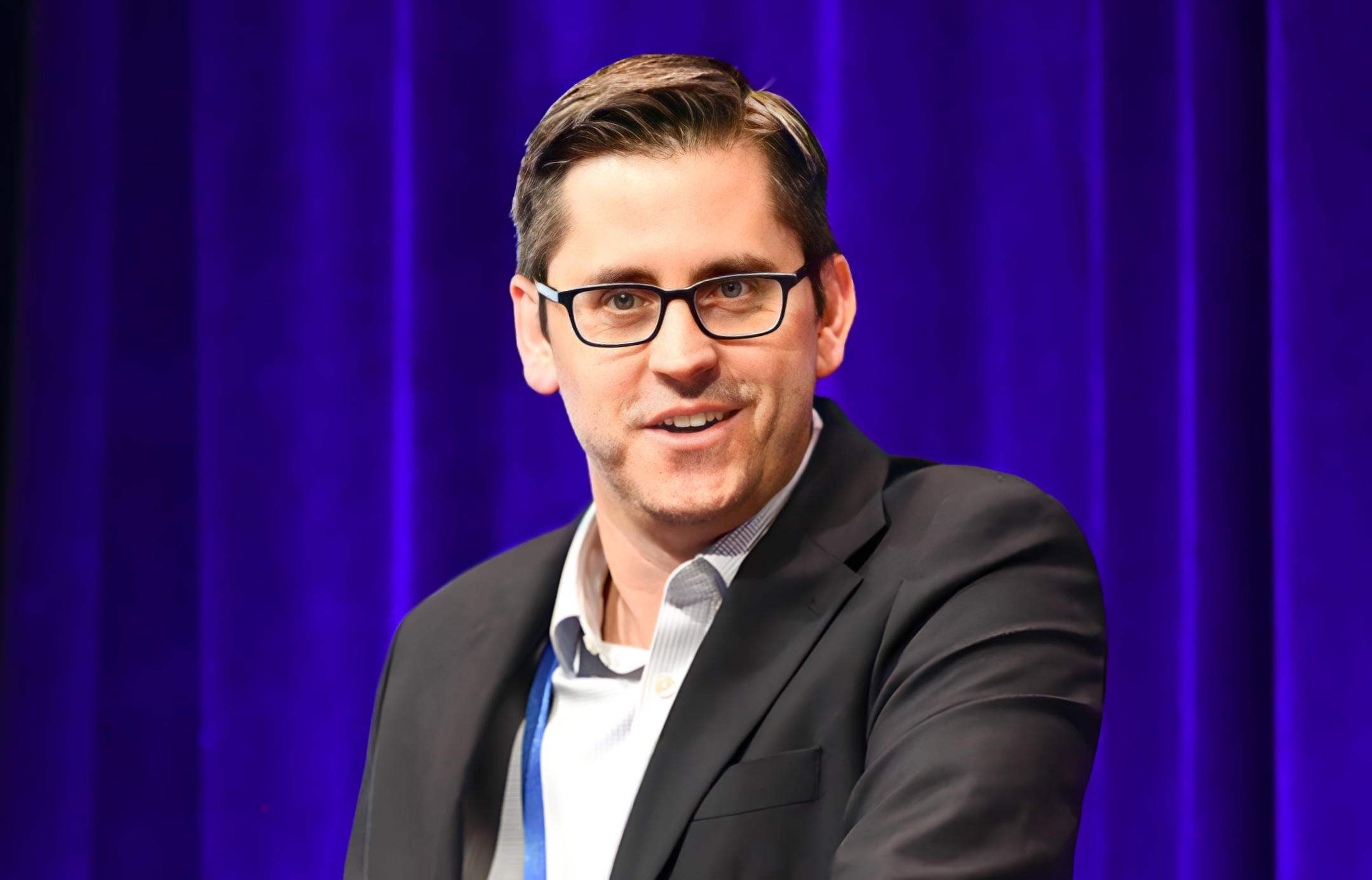
Dubois Lecturer Details B Cell Mechanisms and Therapeutic Targets in Lupus
B cells have played a pivotal role throughout the history of lupus research. Shaun Jackson, MD, PhD, reviewed mechanistic insights from animal models, translational findings in human disease, and the implications for current and emerging therapies.
-
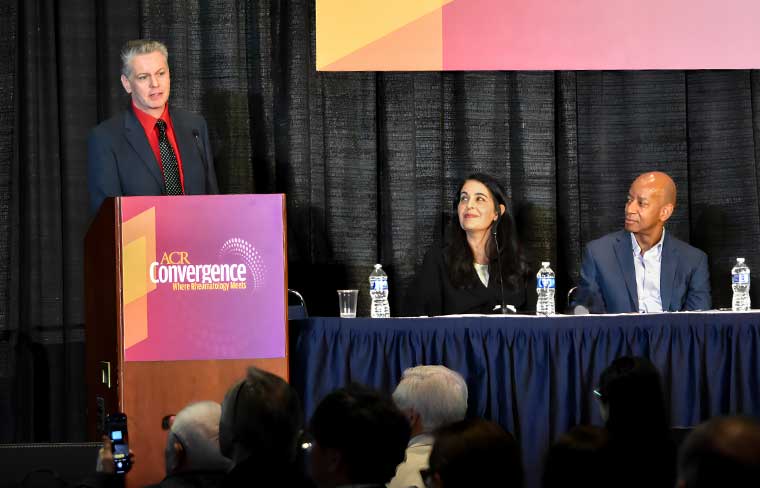
Debate Considers Whether Harnessing AI in Medicine Is Unlocking Potential or Unleashing Chaos
In Monday’s Great AI Debate, Jeffrey Curtis, MD, MS, MPH, presented the case that artificial intelligence (AI) augments clinicians in their care of patients, while Jinoos Yazdany, MD, MPH, cautioned that AI needs guardrails for use in healthcare.
-
Rheumatologists to Offer Innovative Strategies and Resources to Overcome Workforce Challenges
Panelists will examine how to best deliver rheumatology care in the face of a significant shortage of rheumatologists. Jayanth Doss, MD, MPH, will present strategies to improve triaging referrals to rheumatology.
-
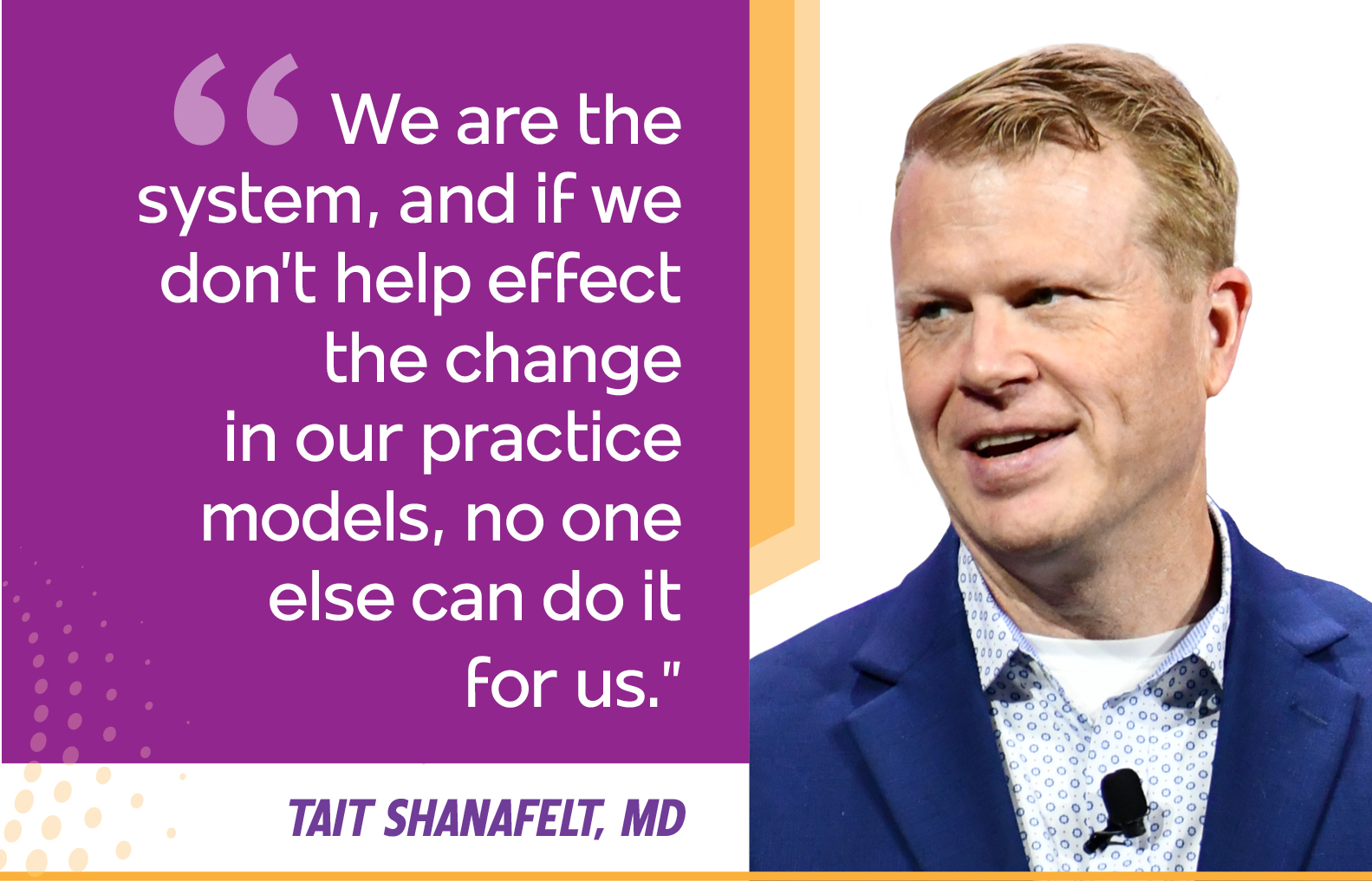
Opening Session Speaker Outlines Individual and Organizational Roles in Systemic Solutions to Foster Clinician Well-Being
Thought leader Tait Shanafelt, MD, shared strategies for combating occupational distress and burnout, including ongoing development and support for a health system’s leaders and collaborative action planning at the individual unit level.
-
Global Summit Keynote Outlines the Impact of Health Technology Assessment in Rheumatology
Sabine Grimm, PhD, MSc, examined how this multidisciplinary process can be harnessed to the benefit of decision-makers, guideline developers, payers, and patients.