No individual provider, health system, or nation can shoulder the global burden of rheumatologic diseases alone; a worldwide community of clinicians and researchers that transcends borders is the only effective path forward to optimize care for all patients. However, building such global collaboration when everyone is mired in the day-to-day demands of care is only incrementally easier than finding the solutions behind the pathologies of rheumatologic diseases. These challenges underscore the importance of events like the virtual ACR Convergence 2026 Global Rheumatology Summit.
The all-day, online-only event on Friday, November 6, provides a platform to highlight the challenges and successes of different health systems and international rheumatology professionals, creating a space for rheumatologists and rheumatology professionals from around the world to discuss topics of mutual relevance and concern. The 2026 program will continue to showcase innovative rheumatology education, training, research, and partnerships.
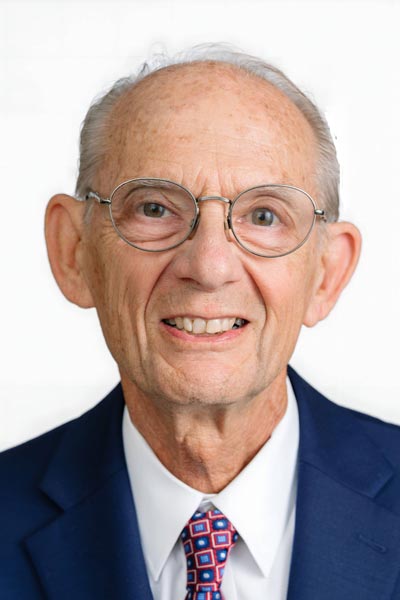
“Every Global Rheumatology Summit topic adopts a global perspective, with an emphasis on trying to understand how a disease is not only diagnosed and managed in the U.S., but how it’s diagnosed and managed elsewhere to identify global needs in terms of resources and where disparities exist in the care for patients and training of rheumatology experts tasked with providing that care,” explained ACR Global Engagement Committee Chair Eric Matteson, MD.
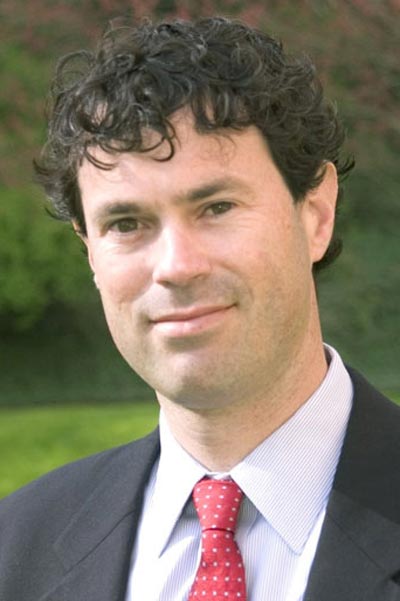
Kevin Winthrop, MD, MPH, Professor of Public Health, Infectious Diseases, and Ophthalmology at Oregon Health and Science University, will deliver the summit’s Keynote: Infectious Triggers, Immune Consequences: Rheumatologic Disease in a Warming World. Dr. Matteson, who is an emeritus professor of medicine at Mayo Clinic College of Medicine and Science, the emeritus John F. Finn Minnesota Arthritis Foundation Professor, and a retired consultant in the Division of Rheumatology at Mayo Clinic in Minnesota, noted the increasing prevalence of certain diseases due to climate change.
“For example, we’re seeing more diseases like dengue and chikungunya, which cause rheumatic disease manifestations, even in places where they weren’t traditionally found—even in the U.S., these things are starting to appear,” Dr. Matteson explained. “Dr. Winthrop will talk about the environmental framework that is important to consider in the emergence of these diseases and the consequences they have for us managing patients.”
After Dr. Winthrop’s Keynote, Helene Alexanderson, PhD, PT, Adjunct Senior Lecturer at the Karolinska University Hospital in Stockholm, Sweden, and Linda Li, PhD, PT, Professor in the Department of Physical Therapy, University of British Columbia, Canada, and the Harold Robinson Chair/Arthritis Society Chair in Arthritic Diseases, will present Integrating Physical Activity, Exercise and Patient Self-Management into Rheumatology Care. Both presenters have performed extensive research to help patients self-motivate to improve their physical activity and overall disease management with conditions like arthritis.
“Self-management is a really important aspect of disease management, and we’re understanding more and more about the best techniques to engage patients and assess the outcomes,” Dr. Matteson said.
The theme of instilling personal investment in one’s condition and care will be extended by the three-speaker panel presentation Enhancing Rheumatology Outcomes Globally through Community and Patient-Led Initiatives laterin the program.
A pair of presentations will examine how artificial intelligence (AI) continues to reshape the possibilities of rheumatologic research and care. Christopher McMaster, MBBS, FRACP, Data Science Lead, Medicines Optimisation Service at Austin Health, Melbourne, Australia, will share Applications of AI in Contemporary Rheumatology Practice. Elena Myasoedova, MD, PhD, Director of the Inflammatory Arthritis Clinic at Mayo Clinic, will present AI and Machine Learning to Personalize Treatment for Rheumatic and Musculoskeletal Diseases.
In the afternoon, Daniel Clauw, MD, Director of the Chronic Pain and Fatigue Research Center and Professor of Anesthesiology, Medicine (Rheumatology), and Psychiatry at the University of Michigan, and Laure Gossec, MD, PhD, MSc, Professor of Rheumatology at Sorbonne Université and Pitie-Salpetriere Hospital, Paris, France, will share Managing Pain Worldwide: Disparities, Innovations, and Cultural Contexts.
“We’re delighted to have these two experts talk to us about the physiology and cultural context of pain and pain management,” Dr. Matteson said. “Attendees will also learn about disparities and how pain is appreciated by patients and physicians.”
The Global Rheumatology Summit will also feature two larger panel discussions: Global Meet the Experts: Infectious Disease and Community Practice Roundtable: Global LARs Perspectives.

JOIN US IN ORLANDO
If you haven’t registered for ACR Convergence 2026, register today to participate in this year’s premier rheumatology experience, November 6–11 in Orlando, Florida. All registered participants receive on-demand access to scientific sessions after the meeting through September 30, 2027.