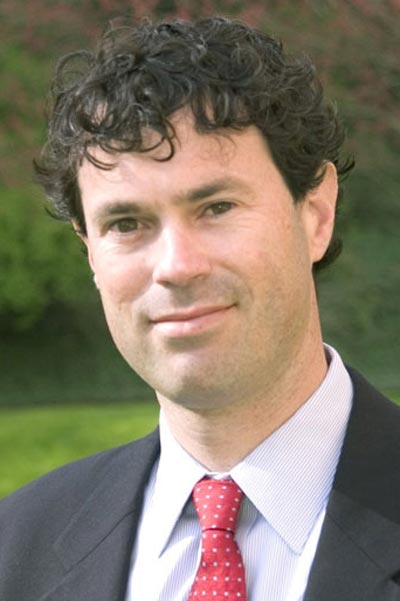
Changing environmental conditions have far-reaching implications for the development and management of rheumatic diseases. During his November 6 keynote address at the start of the daylong, virtual Global Rheumatology Summit, part of ACR Convergence 2026, Kevin Winthrop, MD, MPH, Professor of Infectious Diseases, Ophthalmology, and Public Health at Oregon Health & Science University, explored how a warming climate is influencing infectious disease exposure and contributing to a range of musculoskeletal and immune-mediated consequences.
Dr. Winthrop discussed several emerging and expanding infectious disease risks, including the mosquito-borne infections chikungunya, Zika, and dengue, emphasizing how changing mosquito habitats may increase exposure in previously unaffected regions.
For rheumatologists, chikungunya is particularly concerning because of its potential to cause persistent inflammatory arthritis. Up to 48% of those with acute chikungunya will manifest arthritis up to six months after infection, Dr. Winthrop said. Of those patients, between 5% and 10% will develop chronic arthritis, he said, and some of those cases can evolve into rheumatoid arthritis (RA).
The changing distribution of disease-carrying ticks presents another challenge. Dr. Winthrop described the expanding geographic distribution of these arachnids and the resulting implications for Lyme disease, which has become increasingly prevalent in parts of New England and the upper Midwest of the United States. Although early antibiotic treatment is important, some patients experience persistent inflammatory arthritis that may require DMARDs or other anti-inflammatory treatment.
“What we do know, and we all agree on, is that prolonged antibiotics don’t do anything, and that’s been shown in numerous randomized controlled trials,” said Dr. Winthrop, suggesting that prevention should be prioritized as Lyme disease continues to become more prevalent.
The rheumatologic consequences of infection are not limited to vector-borne diseases. Dr. Winthrop discussed research exploring a possible association between measles infection and RA, while emphasizing that the findings do not establish a causal relationship. He also described the lasting effects of severe infections such as Ebola, noting that some survivors experience lingering symptoms similar to “long COVID” years after the initial illness.
“Seven years post-infection, the number of [Ebola survivors] who had joint pain, muscle pain, brain fog, fatigue, etc., was quite prevalent and definitely linked to the severity of their initial infection,” he said.
Foodborne infections represent another potential pathway to post-infectious joint disease. Dr. Winthrop highlighted the relationship between rising temperatures and infections caused by organisms such as salmonella and campylobacter, which can trigger reactive arthritis. One study he cited found that approximately 13% of individuals with confirmed enteric infections developed reactive arthritis.
“It certainly did correlate with the severity of the illness and their diarrheal symptoms,” he said. “The sicker they were, the more likely they were to report joint pain afterward.”
Dr. Winthrop spotlighted vaccine development and prevention, including vaccination efforts targeting chikungunya, dengue, and Lyme disease. He also discussed the challenges of evaluating vaccine effectiveness when outbreaks are unpredictable.
“You would have to have the foresight to know where that outbreak is and go there before the outbreak and do a placebo-controlled vaccine trial to see how effective it is. So, we rely on immunologic studies and immunogenicity,” he said.
Dr. Winthrop also emphasized the need to consider vaccine safety in patients receiving immunosuppressive therapies, particularly when live vaccines are involved.
Overall, Dr. Winthrop said that a range of infections may initiate immune responses that contribute to autoimmune disease in susceptible individuals, although the relationship remains complex.
He underscored the importance of disease surveillance, environmental monitoring, and international collaboration in responding to emerging infectious threats. It starts with a strong public health infrastructure — appropriately funded and staffed — that prioritizes environmental surveillance.
“More funding, more people, more collaboration,” he said.

JOIN US IN ORLANDO
If you haven’t registered for ACR Convergence 2026, register today to participate in this year’s premier rheumatology experience, November 6–11 in Orlando, Florida. All registered participants receive on-demand access to scientific sessions after the meeting through September 30, 2027.