For years, overlapping symptoms and inconsistent terminology have made chronic non-bacterial osteomyelitis (CNO) a diagnostic puzzle. However, significant advances in understanding the genetic and innate immune drivers of sterile bone inflammation have helped define it as a distinct autoinflammatory disease—and clinicians play a key role in ensuring early, accurate diagnosis.
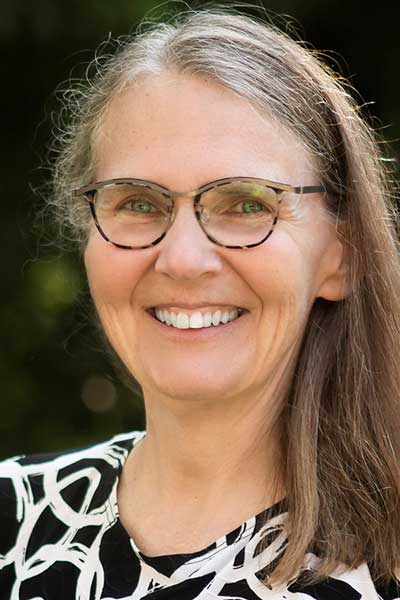
During the Tuesday, November 10, Oscar Gluck Memorial Lecture: From Bench to Bone: Translating CNO/SAPHO Molecular Mechanisms to Treatment, Polly Ferguson, MD, Professor of Pediatrics-Rheumatology, Allergy and Immunology, Stead Family Department of Pediatrics, University of Iowa, will discuss the inflammatory bone diseases previously known as CRMO (chronic recurrent multifocal osteomyelitis) and SAPHO (synovitis, acne, pustulosis, hyperostosis, and osteitis), which are now referred to under the umbrella term CNO.
The lecture will take place from 2:30–3:30 p.m. in Room W415D of the Orange County Convention Center. A recording of the session will be available to registered participants of ACR Convergence 2026 for on-demand viewing.
“If a child has sterile multifocal osteomyelitis and palmar plantar pustulosis (PPP), a pediatric rheumatologist would diagnose them with CRMO and PPP. In an adult, the same findings would be labeled SAPHO. Now we have one diagnostic term, CNO, for those who have chronic sterile bone inflammation,” Dr. Ferguson explained.
She will also highlight her research demonstrating the important role of the innate immune system, which paved the way for CNO to be classified as an autoinflammatory disease, as well as her investigation into rare, single-gene forms of the disease.
“Clinicians play such an important role in helping patients with autoinflammatory disease get an accurate and early diagnosis. Educating them on the ever-evolving understanding of the disease pathogenesis of CNO is imperative to improving the care of these patients.”
— Polly Ferguson, MD
“Our lab has identified two causative genes in syndromic forms of CNO—Majeed syndrome and deficiency of the interleukin-1 receptor antagonist (DIRA)—that are now included on several gene panels for inherited disorders of immunity, helping to facilitate a definitive diagnosis rather than a prolonged diagnosis of exclusion,” Dr. Ferguson said.
Despite significant advances in CNO research in recent years, several unmet needs and unanswered questions remain. Currently, there are no U.S. Food and Drug Administration (FDA)-approved drugs for the treatment of CNO, and treatment approaches are primarily based on information from retrospective case reports and expert opinion. High costs and small patient populations make randomized clinical trials difficult, but “comparative effectiveness research offers a first step toward discerning what to treat with, when to switch, and which agent is most effective,” Dr. Ferguson said. Looking ahead, she said that research must focus on creating a definitive diagnostic test and uncovering a deeper understanding of polygenic and environmental risk factors.
In the meantime, as understanding of this autoinflammatory disease continues to evolve, Dr. Ferguson believes that educating clinicians—pediatricians and adult rheumatologists alike—on the front lines of diagnosis and treatment should be a top priority.
“Clinicians play such an important role in helping patients with autoinflammatory disease get an accurate and early diagnosis,” said Dr. Ferguson. “Educating them on the ever-evolving understanding of the disease pathogenesis of CNO is imperative to improving the care of these patients.”

THERE’S STILL TIME TO JOIN US
If you haven’t registered for ACR Convergence 2026, you can still register on-site at the Orange County Convention Center in Orlando, Florida, through November 11. All registered participants receive on-demand access to scientific sessions through September 30, 2027.