Historically, scleroderma research focused on how to slow or prevent additional fibrosis—the defining hallmark of this progressive autoimmune disease—which can continue to damage organs even after the original inflammatory trigger is controlled. But the investigational spotlight has shifted in recent years toward stopping and even reversing the process altogether—and investigators believe fibroblasts might hold the key.
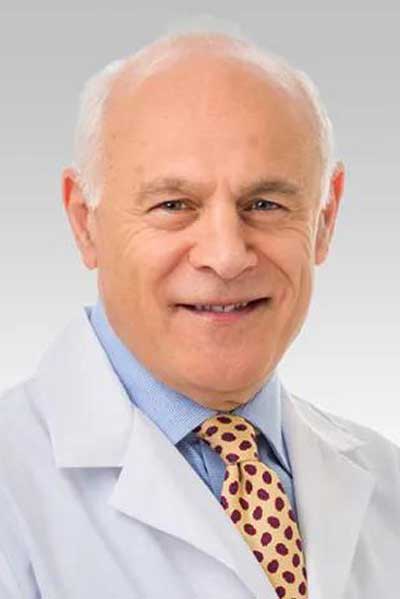
“When I started my career, fibroblasts were considered unexciting generic cells that few paid attention to,” said John Varga, MD, MACR, Professor of Medicine and Chief of Rheumatology at the University of Michigan. “Over the past few years, however, fibroblasts have moved to center stage. We now understand that these connective tissue cells are adaptable multi-taskers that play key roles in orchestrating the body’s injury responses, driving tissue regeneration or damage, and shaping immune responses across a wide array of chronic diseases.”
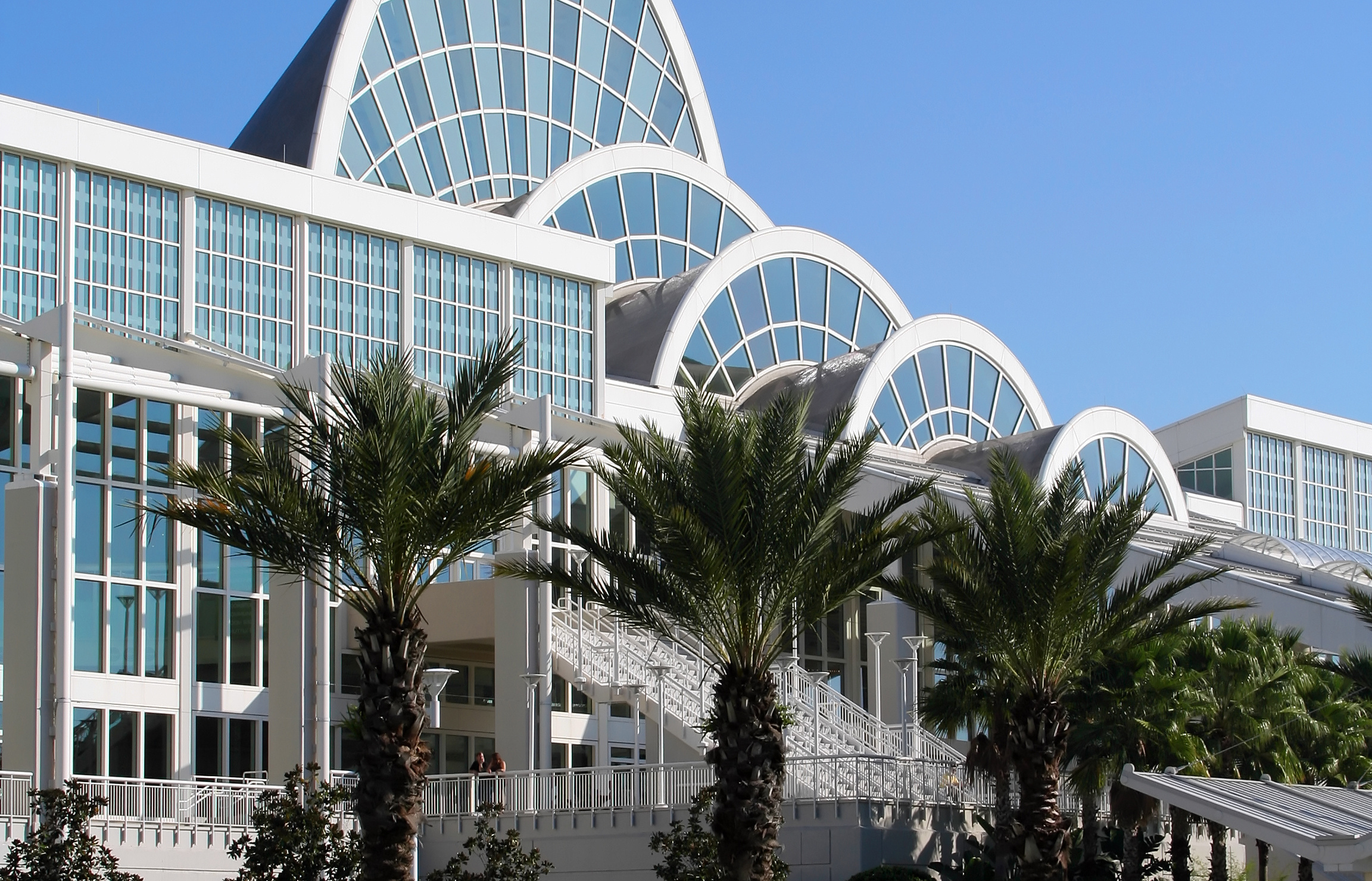
In scleroderma and other fibrotic diseases, researchers are studying why fibroblasts become chronically activated, why that state persists, and how the interactions among fibroblasts, immune cells, metabolism, and other cellular signals keep fibrosis going. Dr. Varga will discuss these topics and more during the Tuesday, November 10, Philip Hench Memorial Lecture: Fixing Fibrosis in Scleroderma: Does the Fibroblast Hold the Key?, which will take place from 1–2 p.m. in Room W415D of the Orange County Convention Center. A recording of the lecture will be available to registered participants of ACR Convergence 2026 for on-demand viewing.
“We are learning that metabolic changes in fibroblasts might bridge our diet and epigenetics, essentially converting what we consume into a lasting cellular memory,” Dr. Varga said. “Understanding how metabolic shifts lock fibroblasts into a disease state might ultimately open the door to cellular reprogramming—using drugs to reset that memory and return the cells to a normal phenotype.”
During his lecture, Dr. Varga will take a deep dive into the complex signaling networks driving fibrosis, including the intricate network between fibroblasts and key immune cells and the important role of single-cell and spatial transcriptomics that help map these interactions within the tissue microenvironment.
“Fibroblast and immune cell communication isn’t a one-way street; it’s a dynamic bidirectional circuit where cells continually signal and reinforce one another,” he said. “Single-cell and spatial transcriptomics are changing our understanding of these diseases by revealing the precise, localized crosstalk between fibroblasts, T cells, macrophages, and B cells.”
Dr. Varga will also highlight his lab’s recent findings involving primary cilia—the antenna-like signaling hubs found on fibroblasts. By combining high-resolution spatial mapping with experimental approaches like ciliotherapy, which directly targets these primary cilia, researchers hope to disrupt cellular crosstalk and pharmacologically reprogram dysfunctional fibroblasts at their source, offering another avenue for therapeutic intervention.
“Fibrosis is a common thread that runs through almost every chronic rheumatic disease, from scleroderma and lupus to rheumatoid arthritis (RA), Sjogren’s disease, and even osteoarthritis (OA),” Dr. Varga said. “So, targeting the fibroblast and figuring out how to reprogram its processes will have tremendous implications across the entire field of rheumatology.”
THERE’S STILL TIME TO JOIN US
If you haven’t registered for ACR Convergence 2026, you can still register on-site at the Orange County Convention Center in Orlando, Florida, through November 11. All registered participants receive on-demand access to scientific sessions through September 30, 2027.