Clinical trials are vital to proving new drugs and treatments are safe and effective. It’s important that everyone who might benefit from trial results has access to information about the trial itself and understands how trial participation might benefit them in their daily lives.
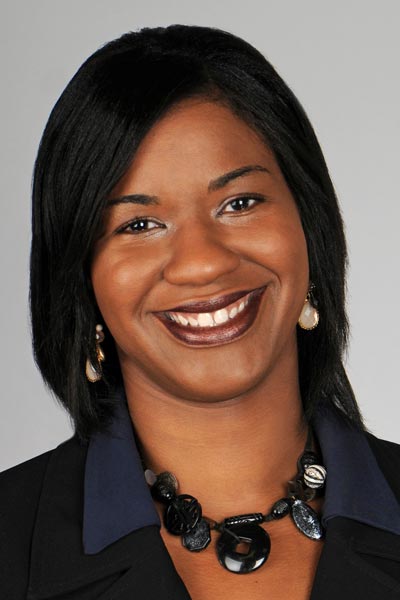
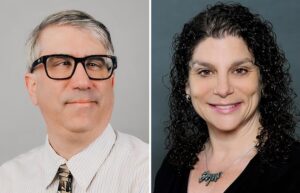
During this year’s Daltroy Lecture, From Labs to Living Rooms: Communicating Research Through Patient-Centered Community Engagement, a lupus researcher and two patient advocates, both of whom live with lupus, will explore how doctors, researchers, and advocates can improve patient-clinician communication. The session will be held on Tuesday, November 10, from 1–2:30 p.m., in Room W308 of the Orange County Convention Center. A recording of the session will be available to registered participants of ACR Convergence 2026 for on-demand viewing.
Groups often underrepresented in lupus trials include men, who less commonly live with lupus, those in rural areas and others who lack access to trials for a variety of reasons, and people of color who may have a historically based reluctance to participate.
“There’s often a disconnect between the work that we’re doing toward discovery in the area of lupus, and how that information makes its way to the patient,” said Edith Williams, PhD, Director of the Center for Community Health & Prevention, and Founding Director of the Office of Health Equity Research, University of Rochester Medical Center.
Yet this communication is vital for patients to understand how research derived from clinical trials can affect their lives. That understanding “motivates or encourages them to further participate in research or can also influence how they then share that information with other patients, with their families,” Dr. Williams said.
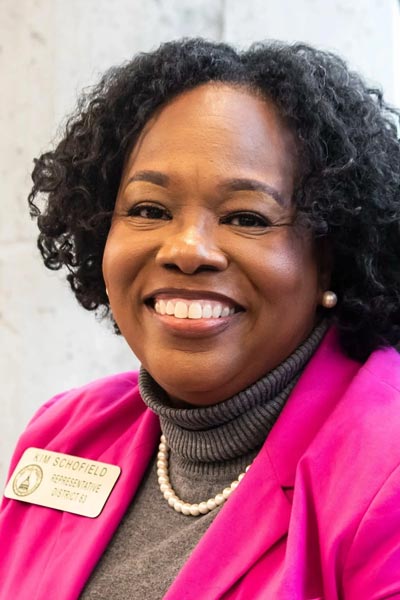
“We understand the historical context of why certain demographics or people don’t participate in clinical trials,” said Kim Schofield, a Georgia State Representative who serves on the Legislature’s health committee. “Let’s move beyond that.”
To do so, she said, it’s necessary to create transparency, help patients navigate through real and unspoken barriers, figure out corrective action plans and solutions that improve the process and the patient-doctor-researcher relationship, help manage aftercare, and explain to people living with lupus how all that translates into their practical life experience.
“When patients know more about clinical trials, it’s usually because they’ve spoken with someone else who’s had a meaningful experience, so they have to have a frame of reference,” Rep. Schofield said. “It’s usually a personal frame of reference. As a result of me participating, how did this improve my quality of life?”
Patient advocates are an important part of this communication.
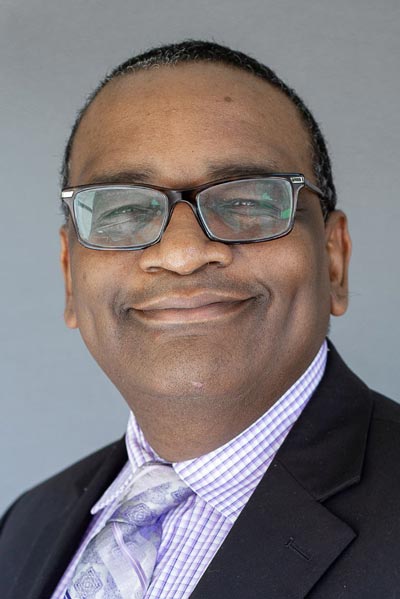
“Advocates serve as the gateway in building the partnership, not just asking the right questions, but framing the questions that get the maximum treatment plan and engagement to build that partnership,” said J. Christopher Reed, BA, JD, a Support Group Leader and Advocate for the Lupus Foundation of America in Conyers, Georgia, who lives with lupus. He said it is essential for doctors and researchers to establish a rapport with patients about the importance of clinical trials and what they can do for patients. It helps, too, for clinicians to develop cultural competency to understand the impacts on some patient populations, such as people of color.
“One example is people with lupus often have alopecia, so they often lose their hair,” Mr. Reed said. “For some, that is really a tragic component, particularly for those in the Black community.”
Dr. Williams will offer attendees five strategies to improve communication, such as home visits. She says that in a more intimate setting, where patients feel safe and comfortable, it’s possible for a healthcare professional to gather the kind of information needed to design better interventions and tailor treatment plans.
The ACR’s Collaborative Initiatives (COIN) team has also done work to increase the awareness of and participation in lupus clinical trials through programs such as Materials to Increase Minority Involvement in Clinical Trials and Lupus Clinical Trials Training Program.

THERE’S STILL TIME TO JOIN US
If you haven’t registered for ACR Convergence 2026, you can still register on-site at the Orange County Convention Center in Orlando, Florida, through November 11. All registered participants receive on-demand access to scientific sessions through September 30, 2027.