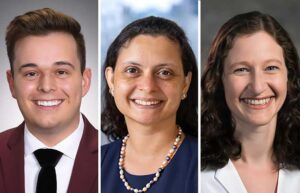
Two pediatric rheumatologists will highlight impactful research published in the past year on Sunday afternoon, November 8, in the Pediatric Year in Review. Edward Behrens, MD, will share significant contributions to the literature in basic science, and Deborah Levy, MD, MS, will summarize clinical science developments.

The 90-minute session will begin at 1 p.m. in Room W414 of the Orange County Convention Center. A recording of the session will be available to registered participants of ACR Convergence 2026 for on-demand viewing.
“The papers that are selected speak to the unique research opportunities pediatric disease offers our community,” said Dr. Behrens, Chief of the Division of Rheumatology and the Joseph Lee Hollander Chair in Pediatric Rheumatology at Children’s Hospital of Philadelphia, and Assistant Professor of Pediatrics at the Perelman School of Medicine at the University of Pennsylvania. “Adult disease presentation is often confounded and impacted by years of hard living, environmental exposures, and other things. When children get ill, it’s often easier for the scientists to get their arms around the part that’s the illness. That often then makes pediatric basic research more informative for everybody, even for adult practitioners.”
The basic science portion of the Pediatric Year in Review will focus on technology.
“Science really isn’t technology,” Dr. Behrens noted. “Science is testing hypotheses. Technology is a tool that lets us do that. However, the rapid proliferation of some transformative technologies makes the Year in Review a nice platform to get us all on the same page about these developments.”
He will highlight two types of tools. The first category encompasses basic science technologies that are coming to the clinic, such as functional immunologic testing in the form of immune profiling and advanced genetic testing.
“The other technology is one that’s being brought to bear at the bench in the form of spatial omics. We will discuss the unique insights that spatial omics is finally going to be able to deliver to us in terms of understanding the root causes of human disease. We can now ask questions that we could only have dreamed of asking even just a year or two ago. We will review a few highlights from this year of how we have successfully asked and answered such questions to let us understand how human disease operates in the tissues in actual patients,” Dr. Behrens said.
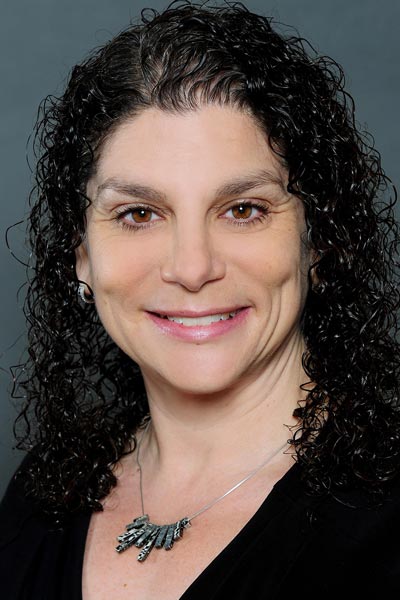
In the clinical science portion of the Pediatric Year in Review, Dr. Levy plans to touch on therapeutics for diseases including juvenile arthritis, lupus, dermatomyositis, vasculitis, autoinflammatory disease, and scleroderma. She will also highlight new research on how social determinants of health affect wellbeing. Dr. Levy is the Head of the Division of Rheumatology and the Ho Family Chair in Autoimmune Diseases at The Hospital for Sick Children, and Professor of Pediatrics, Temerty Faculty of Medicine, at the University of Toronto, Canada.
“Many of the children with rheumatic disease can do really well now because we have many effective therapeutics. We have to look at the rest of the care system,” Dr. Levy said. “That’s taking into account mental health and everything else that’s going on in their lives, and not just the disease and drugs that they need for that disease.”
Cellular therapies and other advanced therapeutics will also be discussed, along with access to care.
“We’re able to now target cytokines and the actual immunologic mechanisms of disease and not just hit everyone with drugs that shut down the immune system completely. We’ve come a long way, but there’s still lots to do,” Dr. Levy said. “We are now able to focus on the mental health implications of these diseases. A disease that starts when a child is in kindergarten has different implications than one that starts in high school. Care of these two patients and families are different, and we are now thinking about how to address all aspects of care—not just the medications that are available, but what the quality of life and long-term outcomes look like.”
ACR Convergence 2026 will feature three other year-in-review sessions:
- Year in Review, Sunday, November 8, 7:30–8:30 a.m., West Hall B3-B4
- Medical Education Year in Review, Tuesday, November 10, 9–10 a.m., Room W315
- ARP Year in Review: Updates in Interprofessional Research and Clinical Care in Rheumatology, Tuesday, November 10, 3–4 p.m., Room W311GH
Additional session details can be found in the online planner.

JOIN US IN ORLANDO
If you haven’t registered for ACR Convergence 2026, register today to participate in this year’s premier rheumatology experience, November 6–11 in Orlando, Florida. All registered participants receive on-demand access to scientific sessions after the meeting through September 30, 2027.