
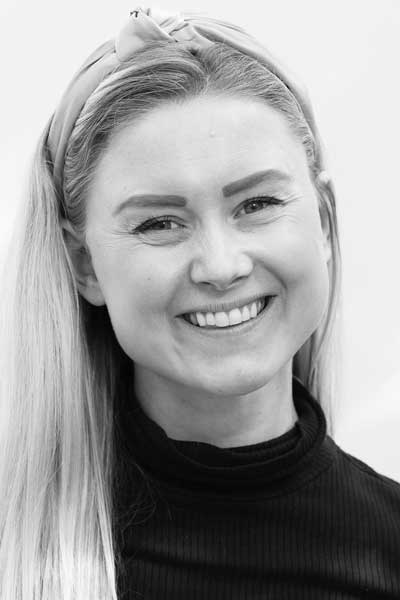
Poster Presenter: Vilde Øverlien Dåstøl, MD, PhD Candidate, Oslo University Hospital and University of Oslo, Norway
Poster Session: (2483-2518) Pediatric Rheumatology – Clinical Poster C, 10:30 a.m.–12:30 p.m., Tuesday, November 10
What is your poster about?
Dr. Dåstøl: Our study investigates whether maternal exposure to potentially harmful substances during pregnancy is associated with the risk of juvenile idiopathic arthritis (JIA) in children.
Using data from the Norwegian Mother, Father and Child Cohort Study (MoBa), a large prospective pregnancy cohort, we examined maternal reports of exposure to 18 predefined potentially harmful substances during the three months before conception and the first trimester of pregnancy. These exposures were reported around gestational week 17, years before the children developed JIA.
We found that children whose mothers reported exposure to three or more substances had an increased risk of developing JIA. Interestingly, this association appeared to be stronger among children with a higher genetic susceptibility to JIA, suggesting a potential gene-environment interaction. In contrast, we found no association between paternal exposure to these substances and JIA risk, a finding consistent with a possible intrauterine effect.
Why did you decide to investigate this topic?
Dr. Dåstøl: In our previous research, we found that higher maternal intake of lean and semi-oily fish during pregnancy was associated with an increased risk of JIA in children. This raised questions about whether environmental contaminants, rather than the fish itself, might contribute to the observed association. It sparked our interest in investigating the potential role of environmental toxins and other harmful substances during pregnancy in the development of JIA.
What are you working on next related to this research?
Dr. Dåstøl: We are currently analyzing concentrations of heavy metals measured in maternal blood samples collected during pregnancy, years before the children developed JIA. This will allow us to investigate potential associations using objective measurements of exposure rather than relying solely on self-reported information. We have also applied for funding to investigate the potential role of per- and polyfluoroalkyl substances (PFAS) in JIA development.
What excites you most about your work?
Dr. Dåstøl: What excites me most is that investigating the origins of JIA feels a little like detective work. We are trying to understand how environmental exposures and genetic susceptibility may interact in the development of JIA. There are still so many unanswered questions, and uncovering even small pieces of the puzzle is very exciting. Hoping that our research could contribute to future preventive strategies also makes this work particularly meaningful.
What are you most looking forward to at ACR Convergence 2026 in Orlando?
Dr. Dåstøl: I am particularly looking forward to reconnecting with research collaborators I haven’t seen in a while and learning about new methodological approaches. One of my favorite things about ACR Convergence is exploring the poster sessions. Even when researchers are studying completely different diseases, their methods and approaches can be surprisingly relevant to my own work. I always come away with new ideas and inspiration!

THERE’S STILL TIME TO JOIN US
If you haven’t registered for ACR Convergence 2026, you can still register on-site at the Orange County Convention Center in Orlando, Florida, through November 11. All registered participants receive on-demand access to scientific sessions through September 30, 2027.