


ACR Convergence 2025 will include a detailed discussion of the first ACR guideline for systemic lupus erythematous (SLE) treatment in more than 25 years.

“The 1999 guideline was a consensus-based document, and management at that time was limited by a low number of available therapies,” said Lisa Sammaritano, MD, Attending Physician and Director of the Rheumatology Reproductive Health Program of the Barbara Volcker Center for Women and Rheumatic Diseases, and Professor of Clinical Medicine, Weill Cornell Medicine and Hospital for Special Surgery. “The spectrum of available therapies for SLE treatment has broadened considerably since 1999. In addition, there have been important changes in our understanding of optimal use of standard rheumatology therapies. Our emphasis on glucocorticoid taper with the aim of discontinuation when possible may be surprising for some clinicians.”
Dr. Sammaritano will discuss key practice recommendations from the 2025 American College of Rheumatology (ACR) Guideline for the Treatment of Systemic Lupus Erythematosus on Sunday, October 26, from 9–10:30 a.m. in Room W196A-C of McCormick Place. On-demand access to recorded presentations will be available to registered participants of ACR Convergence following the annual meeting through October 31, 2026.
There are three strong recommendations in the new guideline:
- taper prednisone dose to <5 mg daily within six months,
- universal treatment with hydroxychloroquine (absent contraindications) to prevent flares and reduce accrual of damage, and
- prompt escalation in therapy if initial therapy is insufficient to achieve disease control.
“Our hope is that these formal and rigorously formulated recommendations provide support for more universal use of optimal management in all groups of people with SLE,” Dr. Sammaritano said. “By highlighting these best practices, we hope they might reduce some of the current barriers to care.”
Also new is a focus on organ-specific disease.
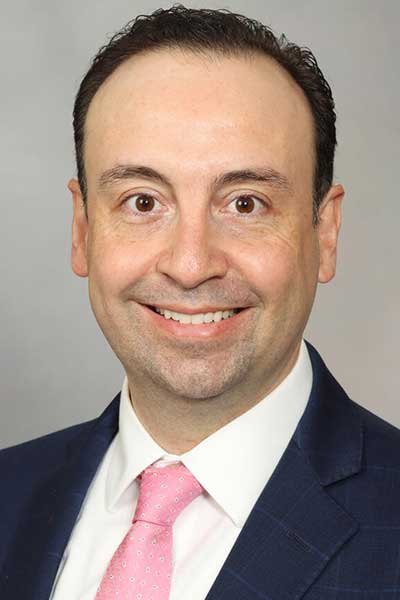
“Patients with SLE present very heterogeneously,” said Ali Duarte-Garcia, MD, MS, Assistant Professor of Medicine, Mayo Clinic College of Medicine and Science. “Some people have skin involvement, some have joint involvement, some have something else, and some have more than one organ involved. We have guidance about what to do in each scenario.”
The guideline does not focus only on arthritis or cutaneous manifestations, but also on hematologic, neurologic, or manifestations like pericarditis, he continued. In addition, the guideline addresses pediatric considerations.
The new guideline includes detailed recommendations for a wide range of management options. Treatment choices in 1999 were essentially high-dose steroids and immunosuppressives, usually azathioprine or cyclophosphamide. Clinicians today have an expanding tool kit.
Cutaneous lupus can be particularly difficult to manage. Approved agents now include hydroxychloroquine and a variety of topical steroids, with quinacrine and other agents, such as immunosuppressives.

“Anifrolumab is now available for SLE and is working well for skin involvement,” said Victoria Werth, MD, Professor of Dermatology and Medicine at the University of Pennsylvania School of Medicine. “We are in the middle of a phase 3 trial of anifrolumab for cutaneous lupus. Belimumab helps some patients with skin disease. The real takeaway is that we don’t have to use as much oral steroids, which is still the go-to for many people. And we will have other ways of treating our patients in the future.”
Anca Askanase, MD, MPH, founder and Director of the Lupus Center and Director of Rheumatology Clinical Trials, Columbia University Medical Center, will discuss lupus arthritis. Linda Hiraki, MD, ScD, Associate Professor of Pediatrics and Canada Research Chair in Genetics of Rare Systemic Inflammatory Diseases, University of Toronto, Canada, will focus on childhood-onset lupus.

JOIN US IN ORLANDO
If you haven’t registered for ACR Convergence 2026, register today to participate in this year’s premier rheumatology experience, November 6–11 in Orlando, Florida. All registered participants receive on-demand access to scientific sessions after the meeting through October 31, 2027.