
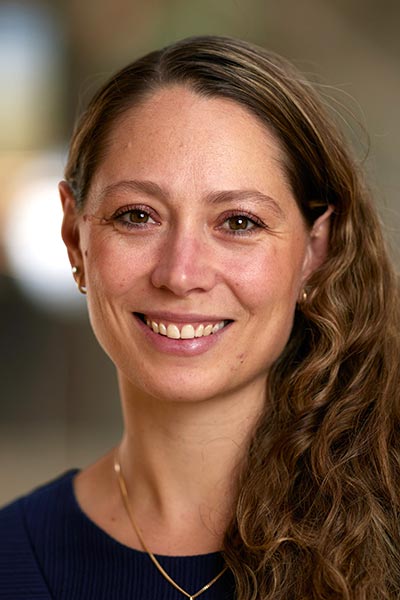
Abstract Presenter: Eline Arends, MD, MSc, PhD candidate, Department of Nephrology, Leiden University Medical Center (LUMC), the Netherlands
Abstract Title: Composite NET Load Reflects Disease Activity and Flare Risk in Systemic Lupus Erythematosus
Abstract Session: Abstracts: Systemic Lupus Erythematosus – Diagnosis, Manifestations, & Outcomes III: SLE Future Directions (2839-2844), 8–9:30 a.m., Tuesday, November 10
What is your abstract about?
Dr. Arends: Our study investigates neutrophil extracellular traps (NETs) as longitudinal biomarkers in systemic lupus erythematosus (SLE). Rather than measuring a single aspect of NET biology, we combined NET formation and impaired NET degradation into a composite “NET load.” In longitudinal samples from patients with SLE, NET load closely reflected disease activity, decreased with treatment response, and increased again around disease flares. Our findings suggest that integrating both sides of NET biology may provide a more dynamic picture of ongoing immune activity in SLE.
Why did you decide to investigate this topic?
Dr. Arends: NETs have long been implicated in the pathogenesis of SLE, but translating this biology into a clinically useful biomarker has been challenging. One reason may be that NET accumulation is determined not only by how many NETs are formed, but also by how effectively they are cleared. We therefore wanted to capture both processes and investigate whether their combination could better reflect changes in disease activity over time.
What are you working on next related to this research?
Dr. Arends: Our next step is to validate the NET load approach in independent longitudinal SLE cohorts with standardized sampling over time. We are particularly interested in determining how NET load behaves before and during flares and treatment responses, and whether it can add information to established clinical and serological biomarkers. Ultimately, we hope to better understand whether NET-based biomarkers can contribute to more individualized disease monitoring.
What excites you most about your work?
Dr. Arends: What excites me most is the opportunity to connect mechanisms of disease with something that may eventually become clinically useful. SLE is biologically complex and highly heterogeneous, and disease activity can be difficult to capture with conventional biomarkers. Being able to follow an immunological process dynamically over time—and potentially see changes before they become clinically apparent—is particularly exciting.
What are you most looking forward to at ACR Convergence 2026 in Orlando?
Dr. Arends: I am especially looking forward to discussing our NET findings with researchers and clinicians working in SLE and lupus nephritis and hearing their perspectives on how NET biology might fit into future biomarker strategies. We have also submitted the results of our SYNBIOSE-2 study as a late-breaking abstract, so I am very excited to learn whether it will be selected for presentation and, if so, to discuss those findings with the SLE community. More broadly, I am looking forward to seeing how colleagues respond to both sides of our work: targeting immune pathways therapeutically and tracking immune activity through biomarkers.

JOIN US IN ORLANDO
If you haven’t registered for ACR Convergence 2026, register today to participate in this year’s premier rheumatology experience, November 6–11 in Orlando, Florida. All registered participants receive on-demand access to scientific sessions after the meeting through September 30, 2027.