More than three dozen Association of Rheumatology Professionals (ARP) track sessions at ACR Convergence 2026 will focus on the perspectives of the interprofessional team across a vast range of facets of rheumatology.
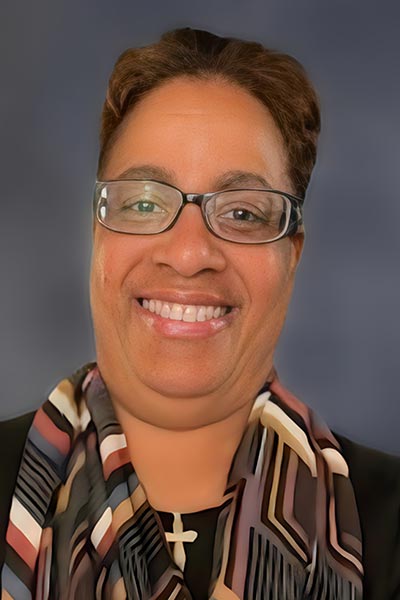
“It’s an opportunity to enrich our support networks,” said Charmayne M. Dunlop-Thomas, MS, MPH, Chair of the ARP Team for the Annual Meeting Planning Committee (AMPC). “ACR Convergence fuels discussions that can advance more collaboration in terms of both clinical care and research. We’re all sitting in our own silos, and then you get to the meeting, and it validates what you’ve been doing yourself, but it also provides more ‘food’ for you to continue that direction.”
At the core of the ARP track are three special lectures:
- ARP Keynote Address: The Kitchen Pharmacy: Food, Inflammation, and a Prescription for Patient and Planet, presented by Neha Shah, MD, 1–2 p.m. on Sunday, November 8, Room W308
- ARP Distinguished Lecture: Evidence-Based Toolbox for Patients Living with Fibromyalgia, presented by Christine Stamatos, DNP, ANP-C, 1–2 p.m. on Monday, November 9, Room W308
- Daltroy Lecture: From Labs to Living Rooms: Communicating Research Through Patient-Centered Community Engagement, presented by Edith Williams, PhD, alongside patient speakers Rep. Kim Schofield and Christopher Reed, BA, JD, 1–2:30 p.m. on Tuesday, November 10, Room W308
“The Daltroy Lecture is going to highlight the meaningfulness of what it is we do with our research advancements and making sure we are disseminating our findings in a way that it gets back to patients,” Dunlop-Thomas said.
Many of the topics in this year’s ARP track are staples of the ACR Convergence program, but Dunlop-Thomas points out that each year’s presenters bring novel perspectives to the field. The Sunday morning session Through the Artist’s Eyes: The History and Human Experience of Rheumatic Diseases in Art, 9–10 a.m. in Room W308, is a prime example.
“James Louie, MD, MACR, will be looking at rheumatology and art and offering a unique lens through which we can understand the history of clinical manifestations and the human experience of rheumatic diseases through art,” Dunlop-Thomas said. “We see it every day, in textbooks and in creative art, and you oftentimes miss the representativeness of that art.”
On Monday, a joint session presented by the ARP and EULAR Health Professionals in Rheumatology (HPR) will explore recent landmark and emerging studies that have changed clinical practice through nurse-led models, physiotherapist-led exercise, occupational therapist-led management, and digital health programs. Practice-Changing Research Led by Health Professionals in Rheumatology: Task-Shifting, Exercise as Medicine, and Digital Care will take place from 3:30–4:30 p.m. in Room W311GH.
On Tuesday, in the session From Inflammation to Restoration: Translating Lifestyle Medicine’s Six Pillars into Rheumatology Care, from 8:30–9:30 a.m. in Room W311EF, Barbara Slusher, PA-C, MSW, will present strategies for improving self-efficacy and self-care.
“Throughout the program, we’re coming from so many different perspectives, and she will be talking about her experiences with social work and how you can look at inflammation and all of these clinical symptoms and understand them better from the patient perspective in terms of what you can do to make them feel more confident in the way they manage their disease,” Dunlop-Thomas explained.
Also on Tuesday is the ARP Year in Review: Updates in Interprofessional Research and Clinical Care in Rheumatology, from 3–4 p.m. in Room W311GH.
The ARP track will conclude with a Wednesday, November 11, session that delves into genetics and environmental exposures and how they impact disease risk, outcomes, and overall well-being. Decoding the Exposome: Integrated Methods and Interdisciplinary Team, from 8–9 a.m. in Room W415D, features speakers Paula S. Ramos, PhD, and John Pearce, PhD.
“The more we can empower patients, it’s going to help providers in enriching that experience and helping the people they care for feel empowered to talk about as well as manage their disease, and then understanding the role of the environment and encompassing whole-person well-being in every aspect of what we do,” Dunlop-Thomas said.
Developing the track offerings is a collaborative effort, which is reflected in the breadth of topics and perspectives presented.
“The goal behind what we do is to represent this diverse group, and we’re tasked with developing sessions to support health professionals under our rheumatology umbrella across a variety of fields,” Dunlop-Thomas noted. “This includes research, rehab, physical therapy, occupational therapy, advanced practice providers, social work, psychology, pharmacology, as well as tools that could be relevant to researchers, managers, and healthcare providers.”
Program planners also rely on the feedback from attendees to determine the most relevant subjects to feature. A call for session suggestions for the 2027 program is open now, and Dunlop-Thomas encourages people to take advantage of the opportunity to provide input on future programming.
The complete list of ACR Convergence 2026 ARP track sessions can be found in the online program.
Additional ARP Sessions
Saturday, November 7
- Radiology Bootcamp, 1–3 p.m., Room W415BC
Sunday, November 8
- Patient-Facing Decision Tree: Best Practice Suggestions for Vasculitis, 9–10 a.m., W311GH
- Unlocking the Full Potential of PT and OT for Every Patient, 9–10 a.m., W311EF
- From Prescription to Commitment: Rethinking Exercise Implementation in Rheumatic Diseases, 10:30–11:30 a.m., Room W311EF
- RHEUM for Prescribing Error: Untangling Drug-Induced Rheumatic Disease and High-Stakes Drug Interactions, 10:30–11:30 a.m., Room W308
- Urban Roots, Rural Reach: Community Partnerships to Strengthen Lupus Clinical Trial Engagement, 10:30–11:30 a.m., Room W311GH
- Emerging Topics in the Management of Pediatric Connective Tissue Diseases, 2–3 p.m.
- Living with Sjögren’s: Informing Care Delivery Through Patients’ Lived Experiences, 2:30–3:30 p.m., Room W308
- Everything to Know about Osteoporosis and Fracture Protection, 3:30–4:30 p.m., Room W311GH
- Immunology Bootcamp I – Basic Principles, 3:30–4:30 p.m., Room W311EF
Monday, November 9
- STATS BOOTCAMP: Introduction to Statistical Power and Sample Size Calculation: What It Means and Why It Is Important, 8:30–9:30 a.m., Room W308
- Immunology Bootcamp II – Applying Principles to Practice, 10–11 a.m., Room W308
- How to Choose, Use, and Act on PROs in Precision Care, Research, and Registries, 10–11:30 a.m., Room W311GH
- Interdisciplinary Care of the Patient with SLE – A Case Study, 10–11:30 a.m., Room W311EF
- Treat-to-Target, Treat-to-Thrive: A Tool to Improve the Patient-Provider Partnership and Achieve Better Integrative Treatment Outcomes, 10–11:30 a.m., Room W110A
- Fostering Connections Through Narrative Medicine in Rheumatology, 1–2:30 p.m., Room W205
- Advancing Team-Based Care in Rheumatology: The Role of Embedded Clinical Pharmacists, 2–3 p.m., Room W311EF
- Reimagining Rheumatology Care with Artificial Intelligence and Virtual Reality, 2–3 p.m., Room W311GH
- Breaking the Cycle: Preventing Falls and Fractures in Rheumatic and Musculoskeletal Diseases, 2:30–4 p.m., Room W308
- Integrating Ecological, Social, Environmental, and Molecular Data to Advance Equitable Precision Medicine in Rheumatology, 3:30–5 p.m., Room W311EF
Tuesday, November 10
- Pharmacology Update, 8:30–9:30 a.m., Room W308
- Symptom Science Studio: Arts-Based Interventions for Rheumatic and Musculoskeletal Disease Symptom Management, 8:30–9:30 a.m., Room W311GH
- Bridging the Gap: Health Literacy Strategies from Clinic to Community, 10–11:30 a.m., Room W311EF
- Connecting the Dots: Support, Education, and Empowerment in Lupus Care, 10–11:30 a.m., Room W311GH
- Secrets and Pearls: Scleroderma, 10–11:30 a.m., Room W308
- Innovative Models of Integrating Physical Therapists Into Rheumatology Care: Lessons From Emerging Clinical Pathways, 1–2:30 p.m., Room W311EF
- Supporting Chronic Wellness: Digital Health Interventions for Fatigue, Pain, Sleep, and Weight Loss, 1–2:30 p.m., Room W311GH
- STATS BOOTCAMP: Start Smart: How to Plan, Inspect, and Visualize Clinical Data, 3–4:30 p.m., Room W308
- Parenting: The Forgotten Role of People with Rheumatic Disease, 3–4:30 p.m., Room W311EF

JOIN US IN ORLANDO
If you haven’t registered for ACR Convergence 2026, register today to participate in this year’s premier rheumatology experience, November 6–11 in Orlando, Florida. All registered participants receive on-demand access to scientific sessions after the meeting through September 30, 2027.