The Radiology Bootcamp at ACR Convergence 2026 is a rare opportunity to learn directly from radiologists for those looking to expand or refine their imaging interpretation skills. Three experts will review a comprehensive approach to reading imaging and selecting modalities based on the disease process in X-ray, CT, ultrasound, and MRI on Saturday, November 7, from 1–3 p.m., in Room W415BC of the Orange County Convention Center.
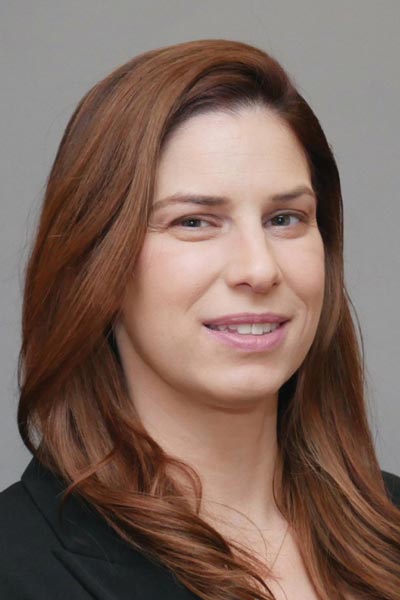
Mohamed Jarraya, MD, a radiologist at Massachusetts General Hospital and Assistant Professor of Radiology at Harvard Medical School, will kick off the preconference session by examining rare findings associated with rheumatologic diseases. He will use case studies that illuminate irregularities associated with synovitis, acne, pustulosis, hyperostosis, and osteitis (SAPHO) syndrome, sarcoidosis, progressive osteoarthritis (OA), and more.
“Dr. Jarraya will focus on cases that are either confusing, mimics, or things we don’t see very often, while still in the rheumatologic wheelhouse,” said session moderator Morgan Merchand, NP, University of Vermont Medical Center.
John A. Carrino, MD, Vice Chairman of Radiology in the Department of Radiology and Imaging at the Hospital for Special Surgery, will then delve into hyperparathyroidism, a metabolic mimic of rheumatic disease.
“Excessive parathyroid hormone drives intense bone resorption and remodeling and can closely resemble inflammatory and erosive arthropathies on musculoskeletal imaging,” Merchand explained.
Dr. Carrino will present musculoskeletal imaging examples to help attendees describe and identify distinguishing radiological features of hyperparathyroidism.
The session’s final presentation will examine various methods for interpreting chest CT scans. Leila Khorashadi, MD, MS, Radiologist at the University of Vermont Health System and Assistant Professor at the Larner College of Medicine, will clarify the correct language used with differing imaging modalities to identify subtypes and phenotypes in interstitial lung disease (ILD).
“Some of us didn’t receive the training for chest CT imaging—we found that sometimes those stepping stones are not always addressed as much as we need,” Merchand said, explaining the topic’s inclusion in this year’s bootcamp.
She explained that the Radiology Bootcamp program is curated to address knowledge gaps she and other session organizers have recognized in the classroom or special topics that participants have requested.
“Next year, we’ll need three more subjects, so if participants have something they want us to present, they can put it in the request box,” Merchand said. “We would love to have that information.”
An In-Person Plus pass is required to attend the Radiology Bootcamp, which has reached full capacity in previous years, so ACR Convergence attendees in Orlando are advised to arrive early to guarantee their spot.
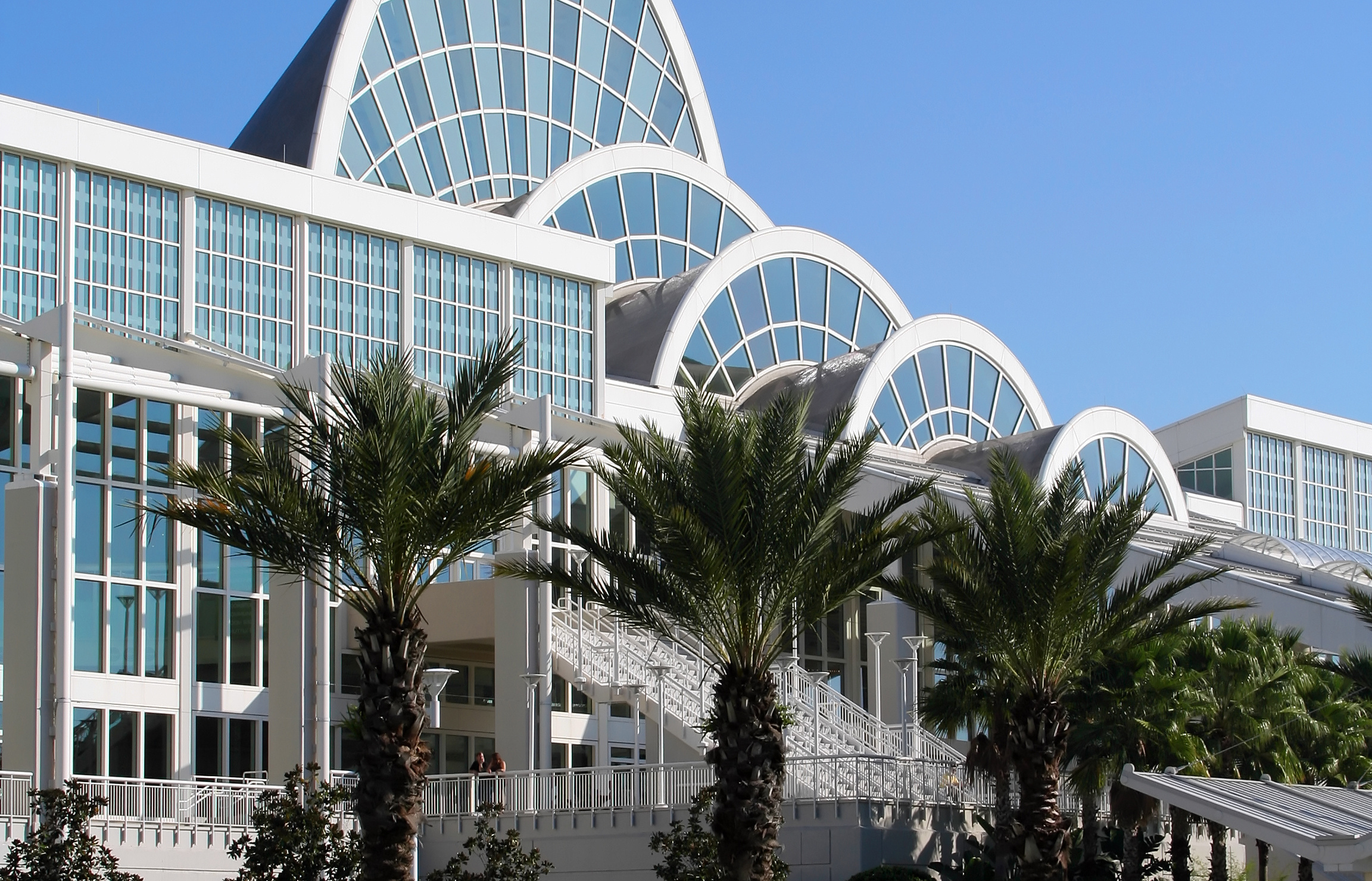
JOIN US IN ORLANDO
If you haven’t registered for ACR Convergence 2026, register today to participate in this year’s premier rheumatology experience, November 6–11 in Orlando, Florida. All registered participants receive on-demand access to scientific sessions after the meeting through September 30, 2027.